What Vets Weigh When a Cat Needs Renal and Mobility Support at Once
Cats are good at hiding discomfort, which is why kidney disease often goes unnoticed early on. Extra trips to the water bowl may not seem alarming at first. A missed jump gets blamed on age, and a dull coat can slip under the radar for months. Then the small changes start piling up. Your cat stops grooming as much, the litter box needs cleaning more often, and getting onto the couch suddenly takes effort.
That is where things get complicated for veterinarians. Kidney disease and mobility issues often need very different types of care. One condition depends heavily on hydration and carefully managed nutrition, while the other may require pain relief, muscle support, and joint care. Managing both at the same time is a constant balancing act, and treatment plans often need to be adjusted as a cat’s condition changes.
Why Kidney Disease Often Changes A Cat’s Movement
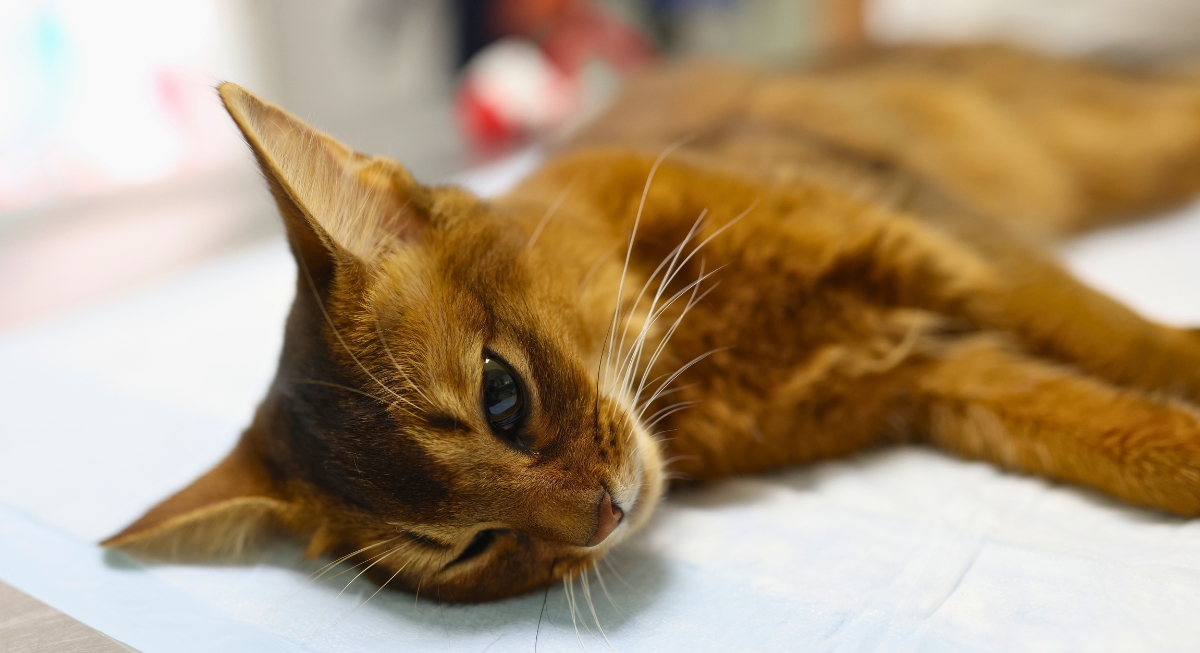
Image via Canva/Alexander’s Images
The kidneys’ function is not limited to filtering waste: they help regulate hydration, blood pressure, electrolyte balance, and red blood cell production. Once kidney function drops far enough, the effects ripple through the entire body.
Cats with chronic kidney disease often lose muscle mass over time. That matters because weak muscles make climbing stairs, jumping, and even walking across slippery floors harder. Low potassium levels linked to kidney disease can also trigger stiffness and weakness in the legs.
At the same time, many older cats already deal with arthritis. Vets usually look at the whole picture instead of treating each issue separately. A cat that refuses to jump may have joint pain, dehydration, or muscle loss, or a combination of all three.
The Food Question Can Get Complicated
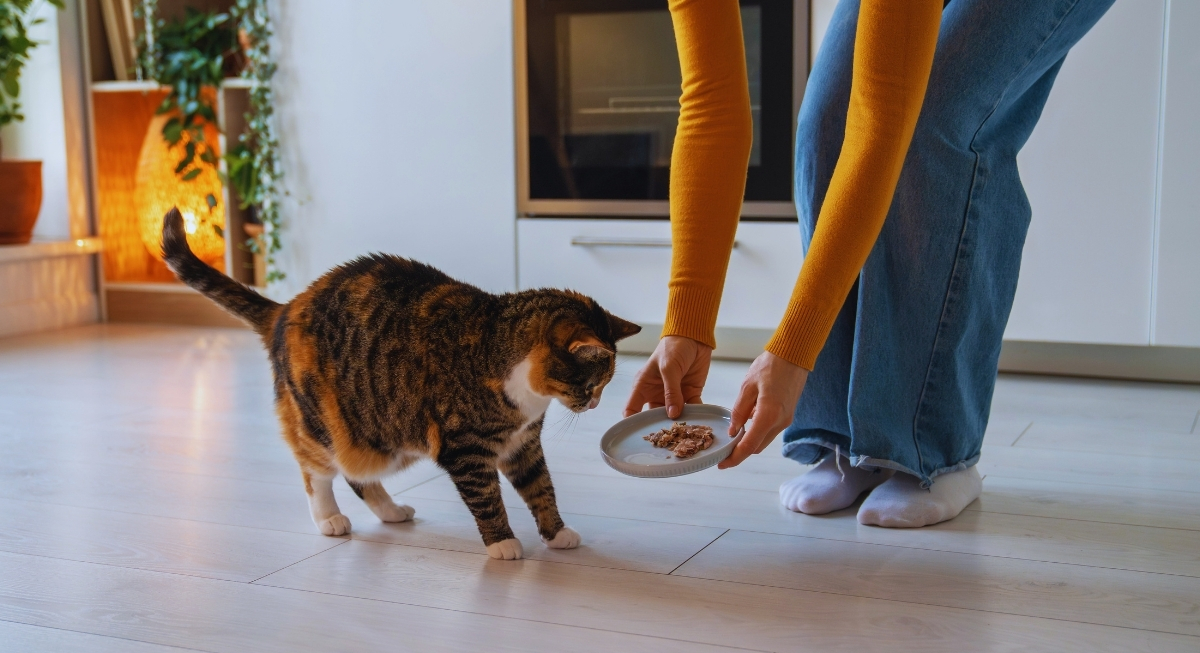
Image via Canva/dimaberlinphotos
Kidney diets are central to most long-term treatment plans. These foods typically contain lower phosphorus levels, controlled protein, added omega-3 fatty acids, and hydration support through canned formulas.
The challenge is that cats with mobility issues also need to maintain muscle mass. Losing too much weight can make movement even harder, especially in senior cats already struggling with arthritis or weakness.
That leaves veterinarians weighing priorities carefully. Kidney-friendly food only helps if the cat actually eats it. Some cats reject prescription diets entirely, especially when nausea enters the picture. Vets may shift focus first to keeping calorie intake stable, then gradually adjust the renal plan.
Hydration becomes another major factor. Cats with kidney disease lose large amounts of water through diluted urine, which pushes them into constant dehydration. Wet food, water supplements, and subcutaneous fluids often become part of daily care.
Pain Relief Requires Extra Caution
Pain management gets more complicated once kidney disease enters the conversation. Many common anti-inflammatory drugs can put additional stress on damaged kidneys. That forces vets to carefully consider alternatives and closely monitor blood work during treatment.
Instead of relying heavily on one medication, treatment may involve several smaller adjustments. Appetite stimulants can help cats maintain weight. Anti-nausea medications may improve food intake. Blood pressure medication may be necessary because kidney disease often affects circulation.
Meanwhile, simple home changes can ease mobility strain without adding medical risk. Extra litter boxes, heated beds, and easy access to food and water often make a noticeable difference. Cats with kidney disease also tend to hide discomfort well. A cat that seems “lazy” may actually feel weak, dehydrated, or in pain.
Early Detection Changes Everything
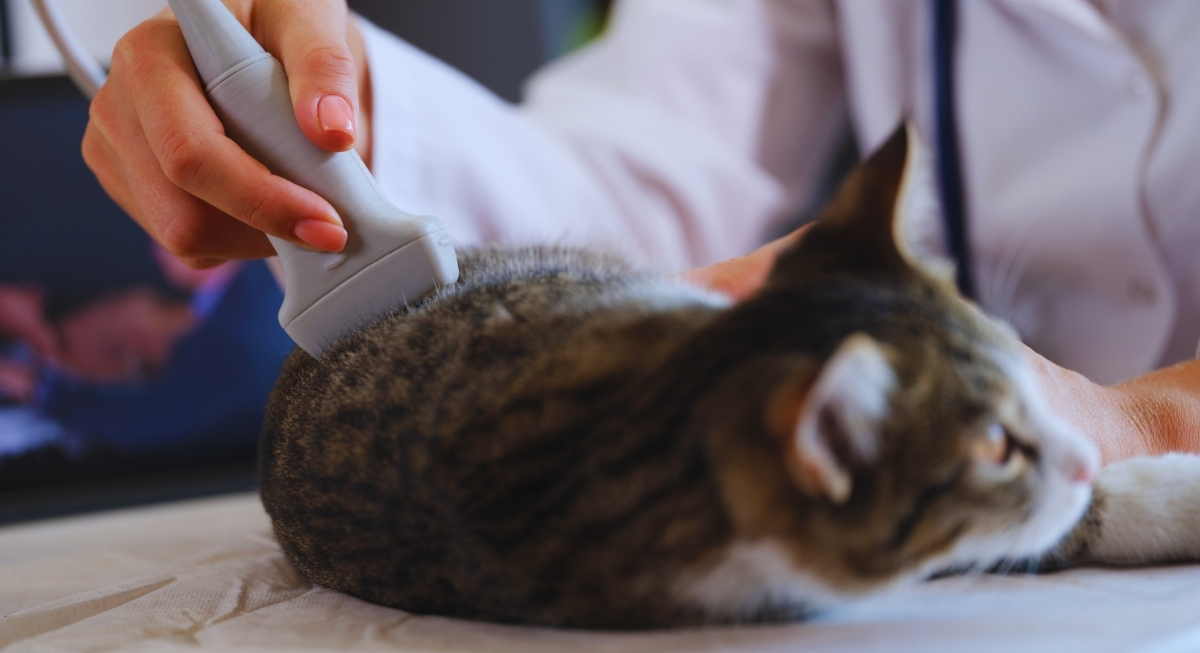
Image via Canva/Alexander’s Images
One of the hardest parts about feline kidney disease is how late it is usually caught. Clinical signs often appear after major kidney damage has already occurred. Some estimates suggest more than two-thirds of kidney function may already be lost before obvious symptoms develop.
That’s why vets push routine blood work and urine testing for older cats, especially after age seven in certain breeds like Persians, Siamese, Maine Coons, Abyssinians, and Ragdolls. The earlier kidney disease is identified, the easier it is to develop a plan that protects both organ function and mobility.