What Your Choice of Pet Says About Your Personality, According to Psychologists
Surveys, personality studies, and behavioral research show that people tend to choose animals that match their own personalities. Psychologists have studied the pattern for years by comparing personality traits, lifestyle habits, and emotional preferences among pet owners.
Dog Owners Often Score Higher On Social Traits
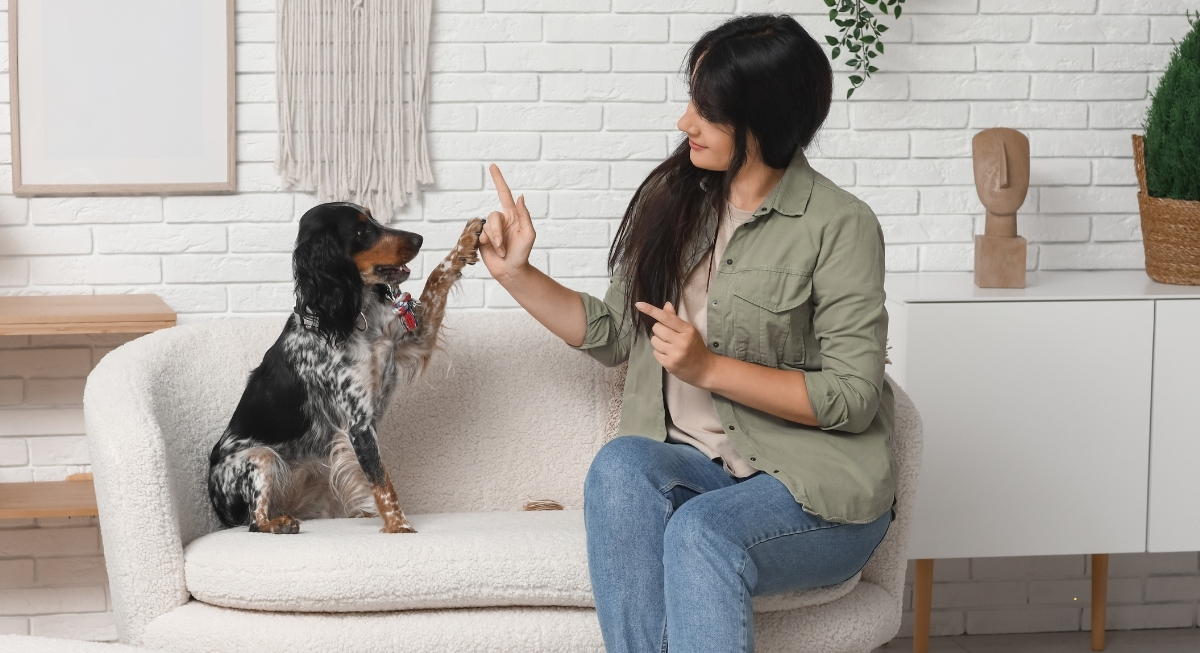
Image via Canva/pixelshot
Large studies have consistently found that dog owners tend to have outgoing personalities. A University of Texas at Austin study involving 4,565 volunteers reported that people who identified as “dog people” scored higher in extroversion, agreeableness, and conscientiousness. Participants also described themselves as energetic and rule-oriented.
Research at Carroll University in Wisconsin reached a similar conclusion. Dog owners showed higher energy levels and stronger social tendencies. That pattern may connect to the demands of dog ownership. Walks, training, and outdoor activities naturally encourage interaction with other people.
Psychologists also link dogs with emotional bonding styles. Psychiatrist Michael Kane, PsyD, explains that many dog lovers prefer relationships that involve closeness and reciprocity. Dogs respond with visible affection, which reinforces that connection.
Cat Lovers Show Different Personality Patterns
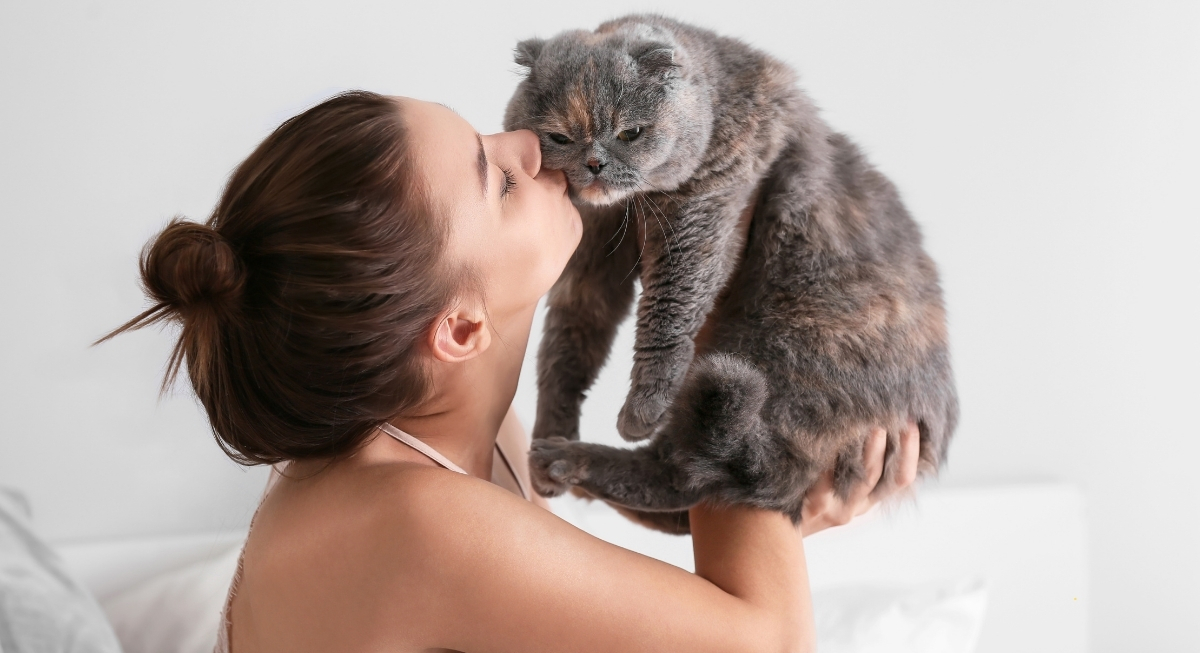
Image via Canva/pixelshot
Cat owners exhibit different tendencies in many studies. A University of Texas study found that cat people scored higher on openness to experience. That trait often links to creativity, curiosity, and interest in new ideas.
Carroll University researchers also observed that cat owners were generally more introverted and more sensitive than dog owners. The same research suggested cat lovers were more comfortable bending rules and identifying as nonconformists.
Psychologists also see a connection between cats and independent social styles. Clinical psychologist Patricia Dixon, PsyD, notes that many cat owners value autonomy and personal space in relationships. Cats often offer companionship without constant attention, which appeals to people who prefer flexible connections.
Personality Guides Pet Choice
Scientists continue to debate a key question: do pets influence personality, or do people choose animals that already match their temperament?
Evidence often points to the second explanation. According to Jessica Oliva, individuals with resilient personalities may naturally gravitate toward dogs. The animal does not create the trait; the personality exists first.
Attachment theory research supports that idea. Some people prefer relationships that involve constant interaction, while others enjoy companionship that allows greater independence. Dogs and cats mirror those styles.
Other Pets Reveal Additional Personality Signals
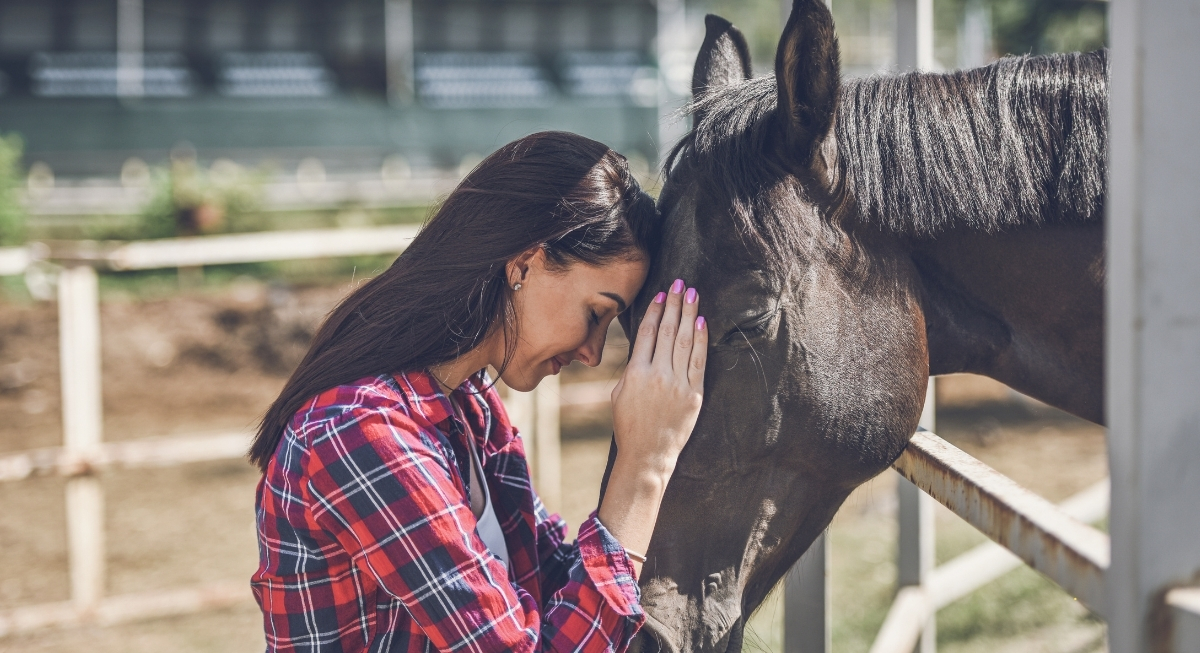
Image via Getty Images/Ika84
A compilation of behavioral research reported in Scientific American Mind connected several animals with specific traits. People who keep turtles often describe themselves as rational, hardworking, and goal-oriented. Snake owners frequently identify as relaxed and unconventional, while bird owners tend to view themselves as caring, expressive, and polite.
Horse ownership shows another pattern. Studies suggest horse owners often hold advanced degrees and describe themselves as assertive and introspective. Male horse owners report stronger dominance in social settings, while female horse owners more often describe themselves as easygoing.
Lifestyle And Culture
Personality plays a role, though other factors also influence the decision. Living space, work schedules, and family size often determine which animals fit daily life. Pet ownership in the United States remains widespread. More than 84 million households share their homes with companion animals. Surveys also show that many people identify with multiple categories.
A University of California, Berkeley survey found nearly 40 percent of participants described themselves as both dog and cat people, while 38 percent identified mainly with dogs and 19 percent with cats. Still, psychologists agree on one simple point. People often pick the animal that feels familiar, comfortable, and emotionally compatible. In many cases, the choice reflects who they already are.