10 Weird Things Rabbits Do and What They Mean
Rabbits run a complex communication system that often goes unnoticed. It looks strange, but it is usually instinctive or tied to how rabbits survive and socialize. Once these behaviors are decoded, everyday moments reveal clear messages about comfort, stress, health, and boundaries. Paying attention to these seemingly weird details reveals a surprisingly expressive animal with very specific ways of saying what it needs.
Boxing
Credit: iStockphoto
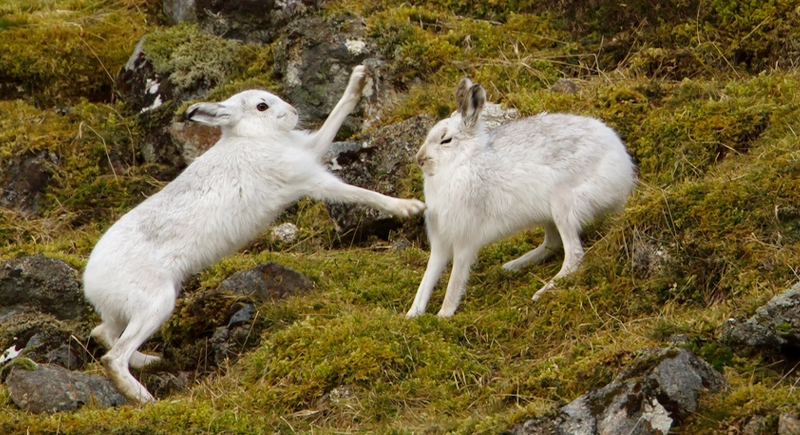
Boxing is a defensive behavior wherein a rabbit strikes forward with its front paws. It usually happens when the rabbit feels threatened or territorial. Females may box to protect their babies, while males often do it during hormonal phases. The movement is meant to create space rather than start a fight.
Chin-Rubbing
Credit: Getty Images
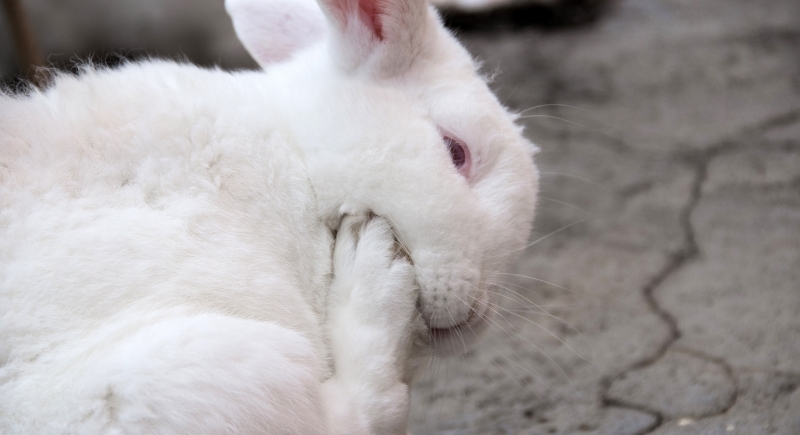
Rabbits rub their chins to mark territory. Scent glands under that area release pheromones that others of their kind recognize instantly. This behavior increases when a rabbit feels settled in a space. Humans cannot smell the scent, but to these animals, it clearly labels ownership and familiarity within their environment.
Circling
Credit: pexels
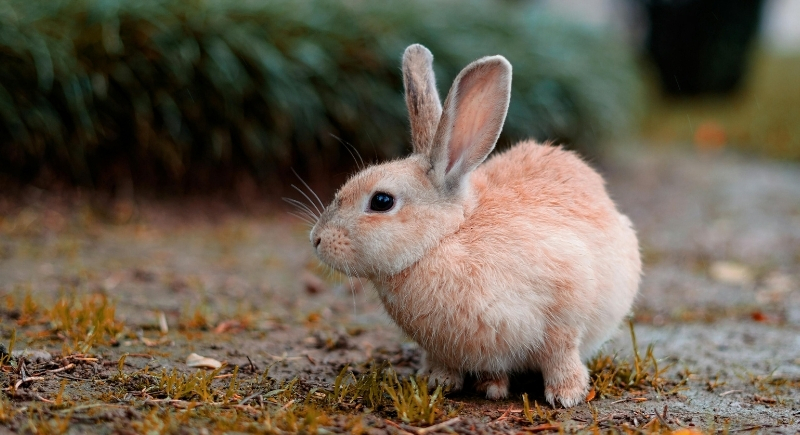
Circling behavior often involves tight loops around a person’s feet. It is linked to hormonal urges and social bonding instincts. Unneutered rabbits show it more frequently, sometimes paired with soft humming sounds. The behavior reflects excitement and attention-seeking, and it typically decreases after neutering.
Crepuscular Energy Bursts
Credit: Canva
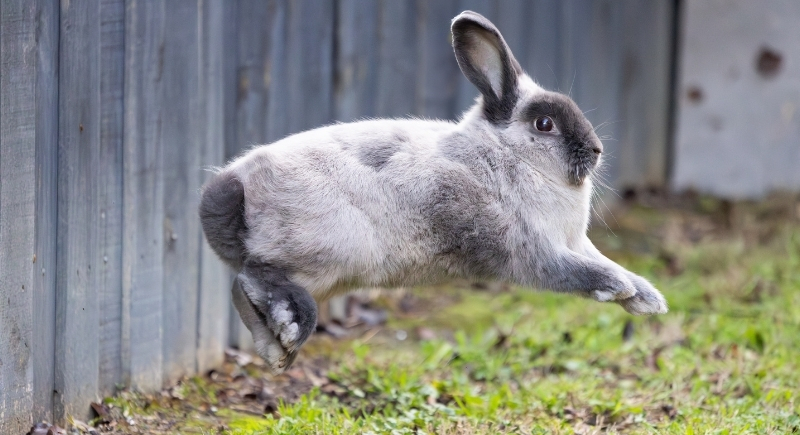
Rabbits are most active during early morning and evening hours. This crepuscular pattern evolved to reduce exposure to predators active during midday or late night. During these times, rabbits may run, jump, and explore more intensely. Owners often notice increased engagement, appetite, and curiosity during these daily windows.
Flattening to the Floor
Credit: Getty Images
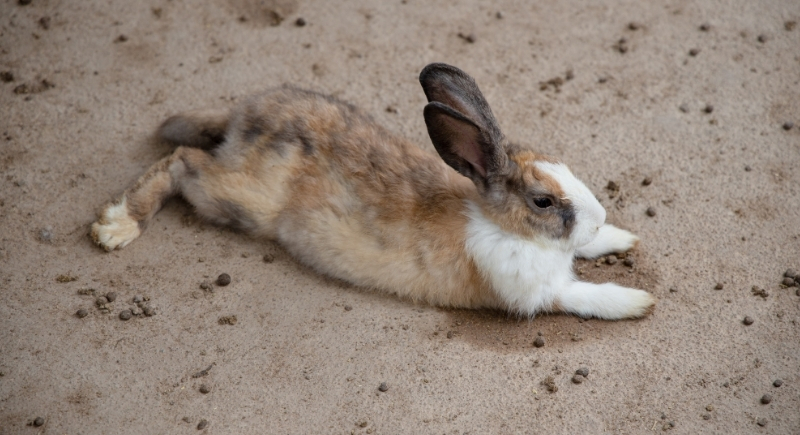
A rabbit pressed flat against the ground is responding to fear. This posture mimics hiding behavior used in the wild to avoid detection. Newly adopted rabbits often flatten when approached from above, since overhead movement resembles predators. As trust grows, the behavior fades and is replaced with more relaxed postures.
Playing Dead
Credit: pixabay
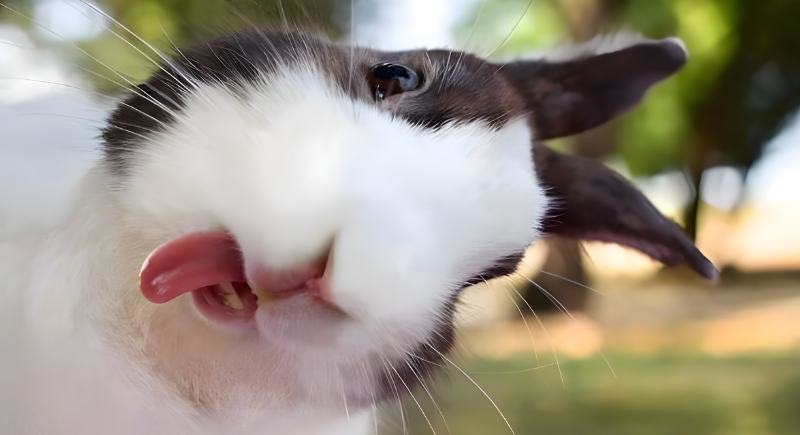
A rabbit lying on its back or side, with its legs stretched out, is deeply relaxed. This position exposes vulnerable areas, which means the rabbit feels safe. The pose can appear alarming to people unfamiliar with it.
Alert Sitting
Credit: pexels
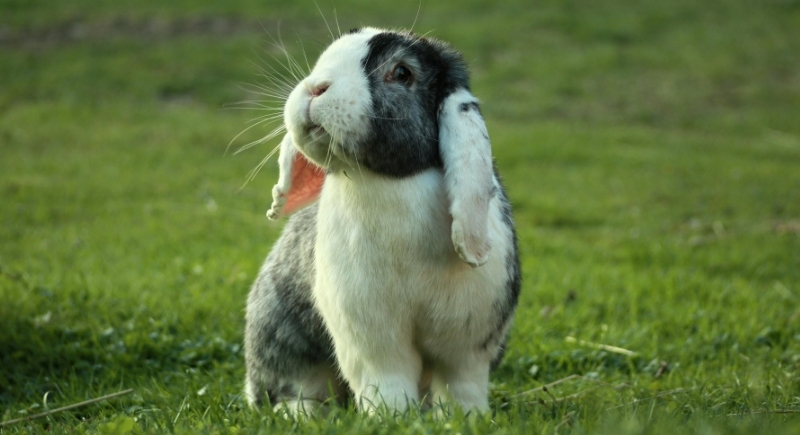
An upright sitting posture signals awareness. Eyes stay wide, and ears rotate independently. Also, the nose twitches constantly. This position allows rapid reaction to sounds or movement. The rabbit is gathering information rather than panicking. It often appears during exploration or when unfamiliar noises are present in the environment.
Screaming
Credit: Getty Images
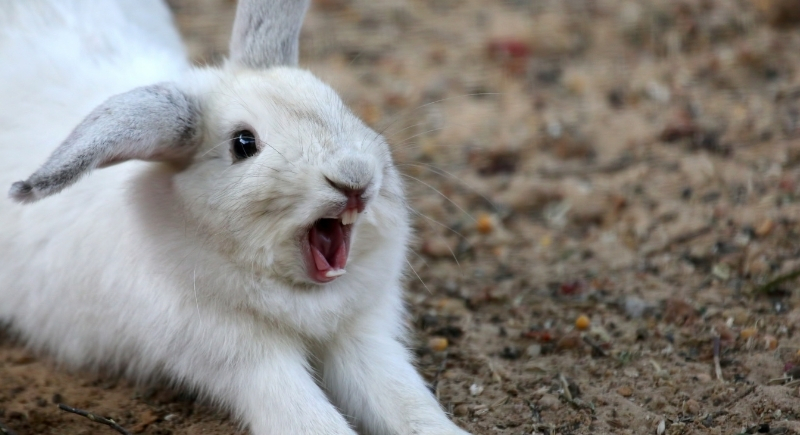
Hearing a bunny scream is extremely rare and signals intense fear or pain. Wild ones do it when captured by predators. In domestic settings, this sound often accompanies serious injury or extreme stress. Any form of screaming requires immediate veterinary attention, since it indicates a situation beyond normal discomfort or anxiety.
Thumping
Credit: Getty Images
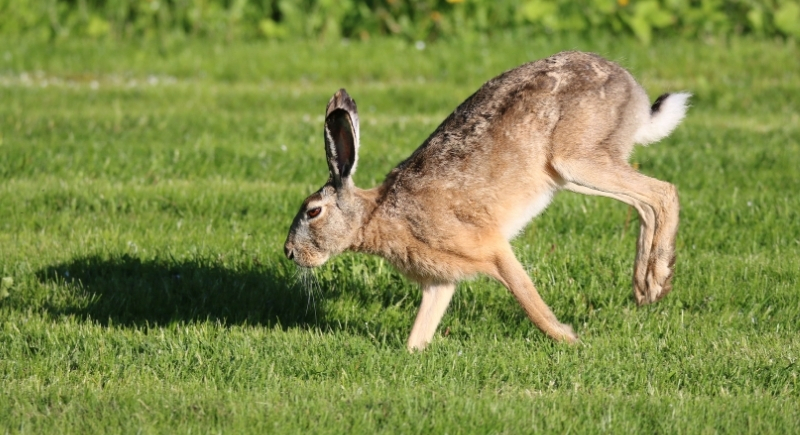
As for thumping, it happens when a rabbit forcefully hits the ground with a hind leg. The sound travels through floors and soil as an adequate warning signal. In the wild, it alerts nearby rabbits to danger. Domesticated rabbits thump when startled or annoyed. They may also do it when sensing unfamiliar activity.
Eating Special Poop
Credit: pexels
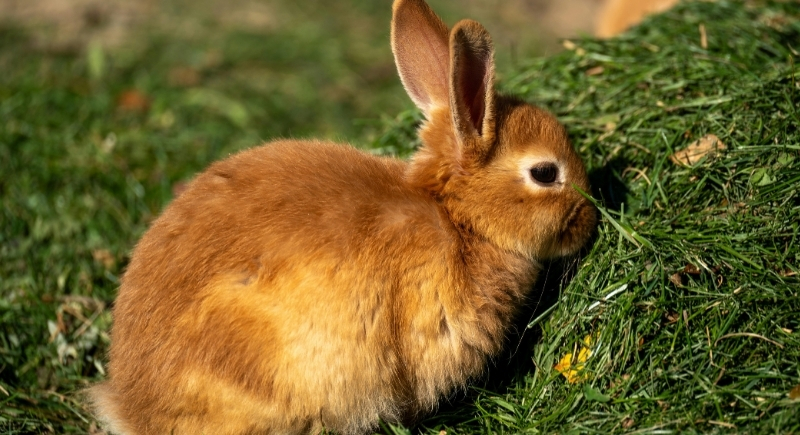
Rabbits eat caecotrophs as part of normal digestion. These droppings are soft, shiny, and nutrient-dense. They contain vitamins and beneficial bacteria produced during gut fermentation. Rabbits usually consume them directly, which supports digestive health and proper nutrient absorption.