10 Wholesome Animal Facts to Instantly Improve Your Day
Some days feel off in a hard-to-name way, even when nothing specific is wrong. That is often when small, grounding reminders are most helpful. Animals offer those moments without trying to teach a lesson, through memory, cooperation, and simple social bonds. These facts highlight how much of the natural world is built on connection, not just survival.
Sea Otters Hold Hands While Sleeping
Credit: Reddit
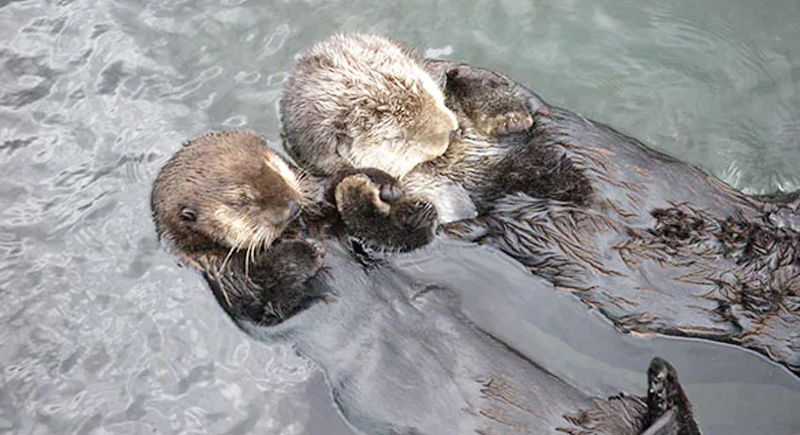
Drifting apart is a real problem when sleeping at sea, so sea otters solve it with a simple habit. Floating on their backs, they link paws with a neighbor or wrap themselves in kelp like a loose anchor. It limits heat loss and allows young otters to rest safely near adults.
Cows Form Real Friendships
Credit: pexels
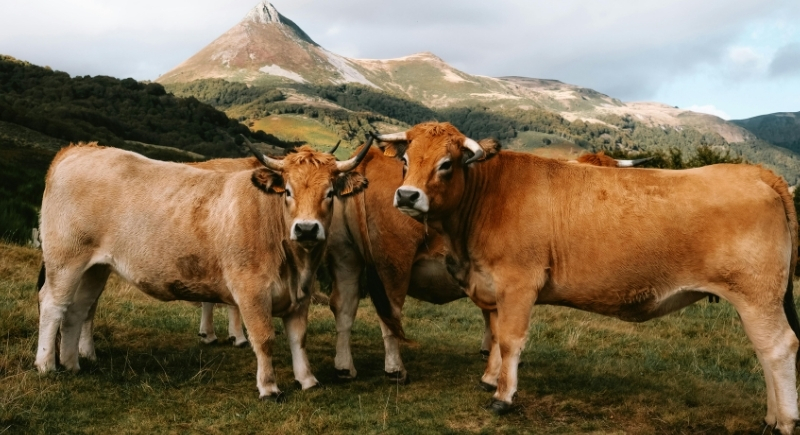
Within a herd, cows tend to settle next to the same companions on a daily basis. Heart rate studies show measurable drops when preferred partners interact while grazing together. Break those pairs up, and stress markers rise. Farmers even notice calmer movement and fewer handling issues when bonded cows stay close.
Rats Help One Another Without Expecting Rewards
Credit: Getty Images
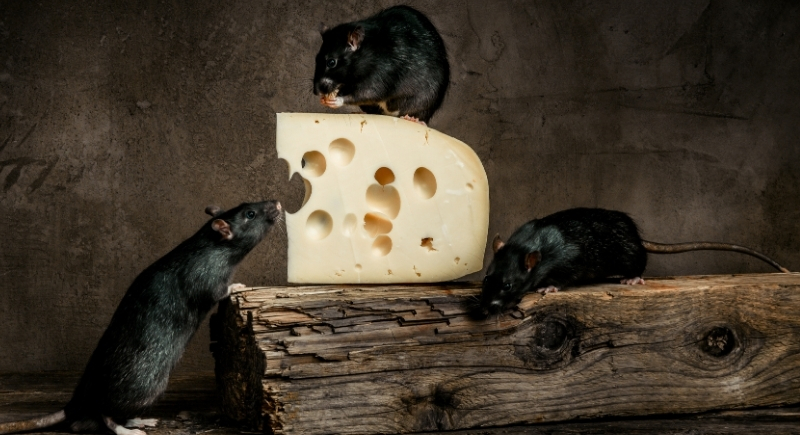
In controlled lab settings, rats repeatedly choose to free a trapped cage mate before eating nearby treats. When food is finally taken, it’s often shared. Researchers ruled out conditioning by changing setups and rewards. The response appears tied to distress cues rather than training.
Dolphins Use Signature Whistles Like Names
Credit: Getty Images
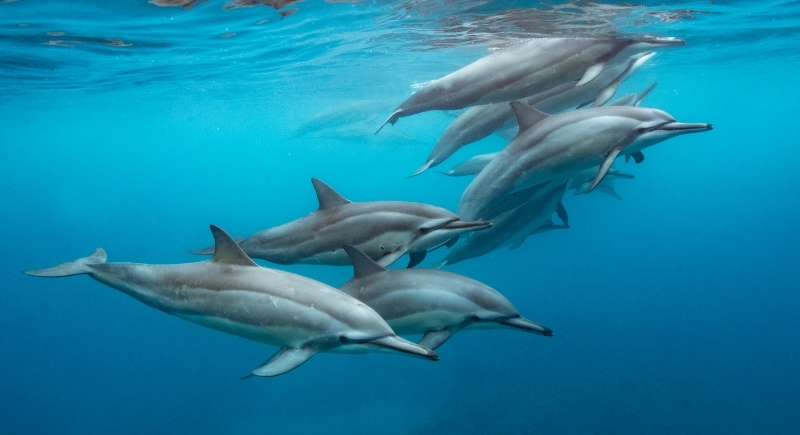
Each bottlenose dolphin develops a distinctive whistle early in life. Playback tests show that dolphins react to their own calls even when stripped of other sound cues. They also copy another dolphin’s whistle to get attention. Marine biologists believe this allows recognition across murky water and long distances.
Elephants Offer Comfort Through Touch
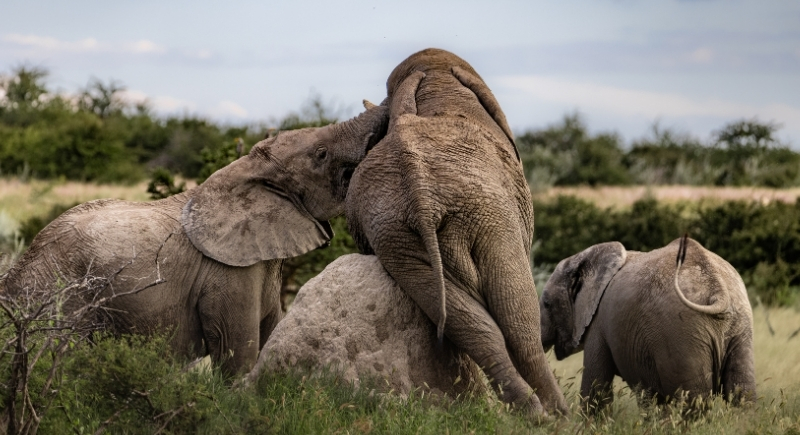
Credit: Getty Images
When an elephant shows signs of distress, nearby herd members often approach and make gentle contact with it using their trunks or body positioning. Field observations describe low-frequency vocalizations paired with calm physical gestures. The behavior strengthens social bonds within tightly structured family groups that rely on cooperation.
Bees Share Directions Through Dance
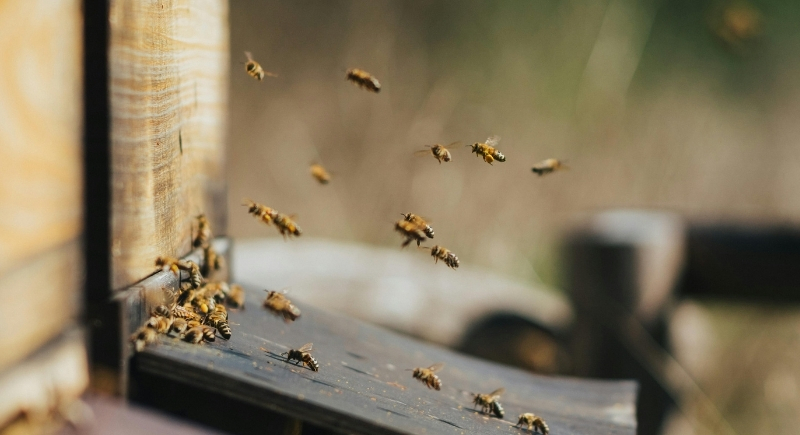
Credit: pexels
Honeybees communicate food locations using a waggle dance performed inside the hive. The angle of the movement signals direction relative to the sun, and duration conveys distance. Fellow bees observe and then fly directly to the source. This system enables colonies to respond quickly to changing resources without relying on visual maps or direct guidance.
Orangutans Use Plants as Medicine
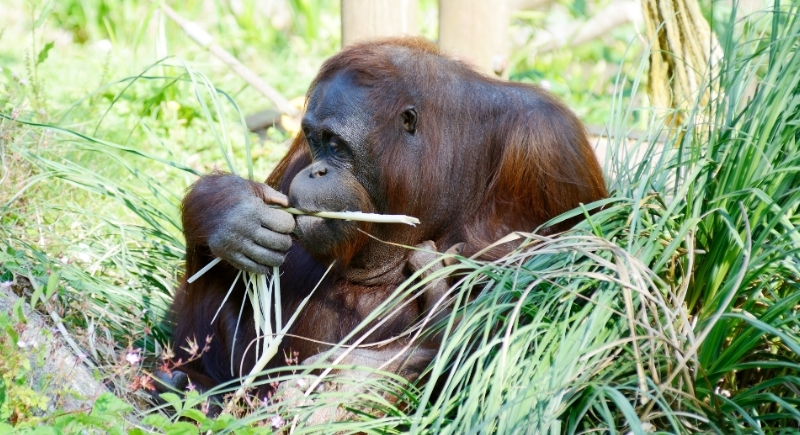
Credit: Getty Images
Wild orangutans have been observed applying chewed leaves to open wounds. The plants chosen contain compounds known for anti-inflammatory and antimicrobial properties. Researchers documented repeated application over several days, followed by visible healing. It suggests learned knowledge passed through observation rather than instinct alone in forest populations.
Penguins Build Bonds With Pebbles
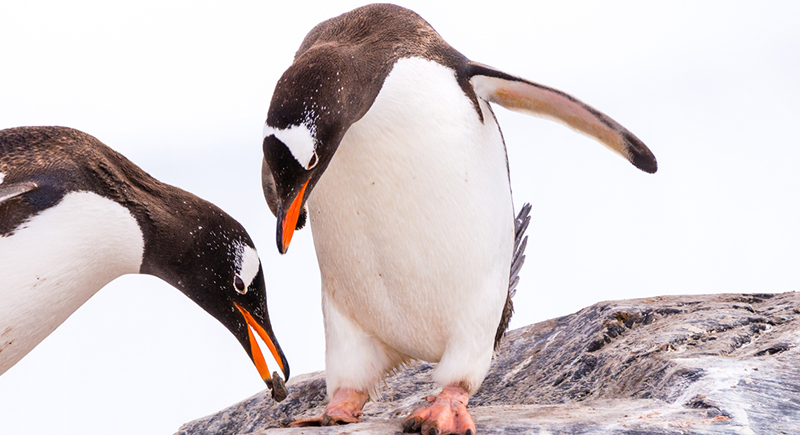
Credit: iStockphoto
Pebbles matter in penguin relationships. Gentoo penguins carefully select smooth stones and present them to partners, who often accept them as part of a shared nest. These stones help protect eggs from cold and water. Observational studies show many pairs returning to the same partner and nesting area across multiple breeding seasons.
Capybaras Share Space With Ease
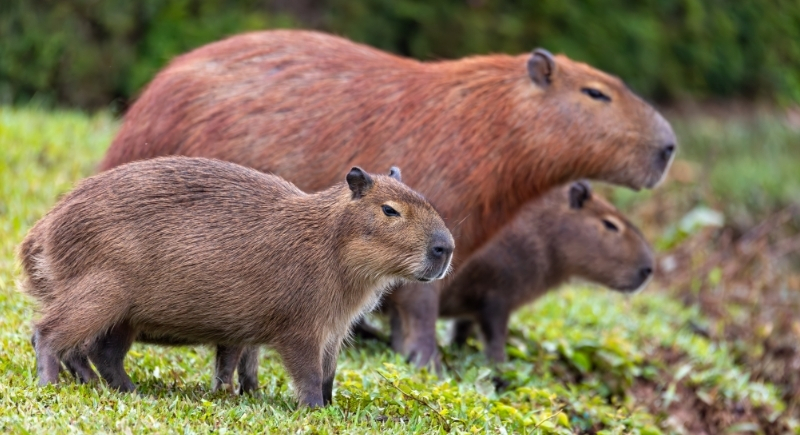
Credit: Canva
Capybaras live in social groups that often include multiple species nearby. Birds perch on their backs. Smaller animals rest close without resistance. Observers note low aggression levels and steady group routines centered around water access. Their calm responses reduce tension in shared environments.
Crows Remember Kindness
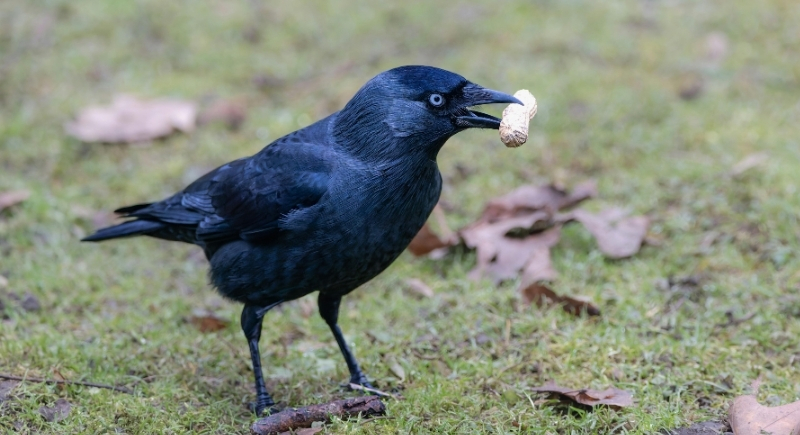
Credit: pexels
Crows recognize individual human faces and remember past interactions. Long-term studies show different responses toward people who offered food versus those who posed threats. In some cases, crows leave small objects near reliable feeders. Researchers avoid assigning intention, yet the pattern repeats across regions.