Why Adopting a Dog Over Seven Might Be the Most Rewarding Thing You Ever Do
Dogs over seven are staying in shelters longer than almost any other group, even as millions of people search for the “perfect” pet each year. In the United States alone, about 5.8 million dogs enter shelters each year, yet older dogs are adopted at a fraction of the rate at which younger dogs are.
Age has a way of forming expectations, and in this case, it often hides the real appeal. A dog that’s already lived a few years brings something different to the table, something that doesn’t shout for attention but tends to stick with pet lovers once noticed.
The Learning Curve Is Practically Gone

Image via Alamy/Bogdan Kurylo
Training a puppy can take up a big part of your day. With an older dog, much of that work is already done. Many come in knowing basic commands, and house training is usually not an issue. You spend less time correcting behavior and more time settling into a routine that already makes sense.
Adult dogs also tend to focus better. They pick up on new cues without the constant distractions you see in puppies, which makes it easier to introduce new habits. If your schedule is packed, that head start can make the transition feel much more manageable.
A Calmer Presence Changes Everything
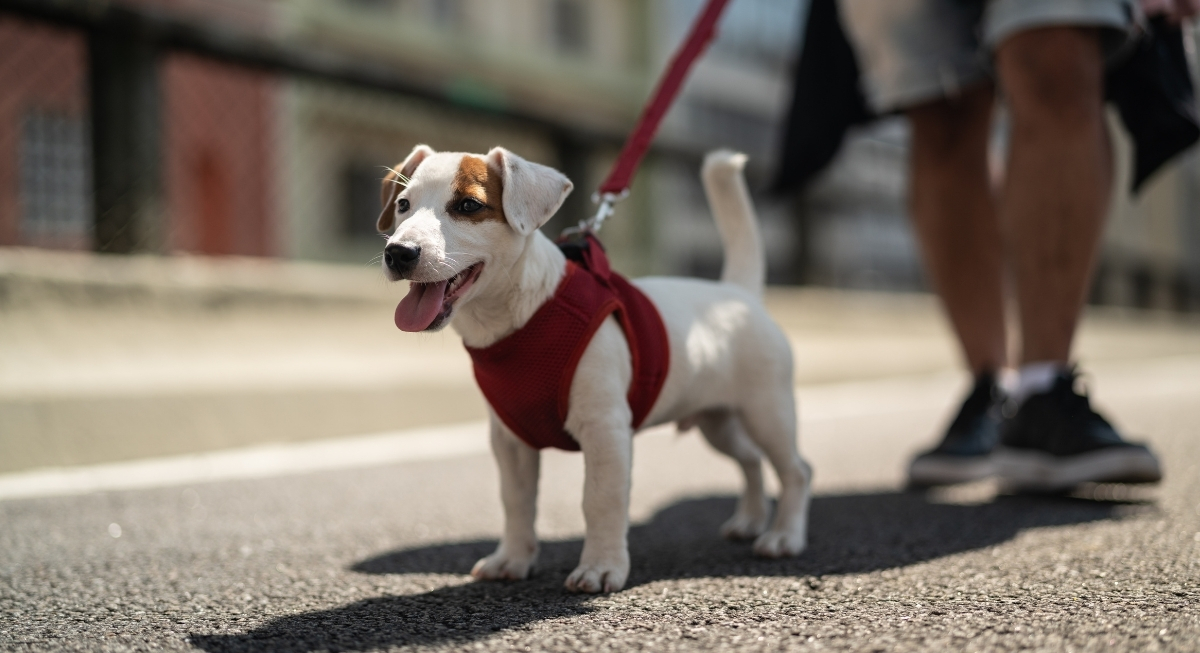
Image via Getty Images/FG Trade
As dogs get older, their energy settles into a more predictable rhythm. They still enjoy walks and a bit of play, but they don’t need constant activity to stay satisfied. A simple routine, like a daily walk and some time with you, usually does the job.
That steadiness shows in how they handle the world around them. Visitors, doorbells, and everyday noise tend to pass without much fuss. It makes the whole home feel easier to manage, especially if you prefer a more relaxed environment.
What You See Is What You Get
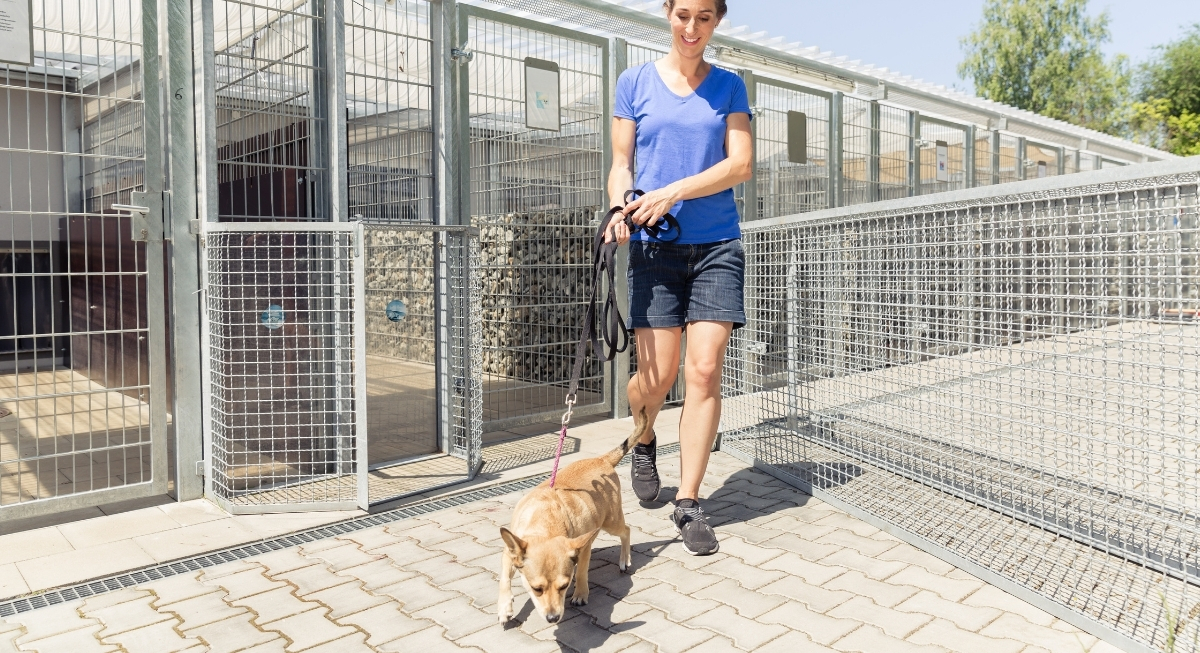
Image via Canva/Kzenon
One of the biggest unknowns with puppies is how they’ll turn out. Size, temperament, and behavior can change as they grow. With a dog over seven, those questions are already answered. Personality is established, and physical traits are set.
That clarity makes it easier to choose a dog that fits a specific lifestyle. Someone looking for a relaxed companion can find one right away, while a more active adopter can still find older dogs with plenty of energy.
They Still Learn, and They Want To
A common myth suggests that older dogs struggle with new habits. In reality, they remain capable of learning and often pick things up faster due to better focus. Teaching new routines or simple tricks can even help keep their minds active.
There may be an adjustment period, especially if their history is unclear. Many dogs need a few weeks to settle into new surroundings and routines. With consistency, they adapt and begin to match the rhythm of their new home.