Why Black Cats and Dogs Take Longer to Get Adopted and What Shelters Are Doing About It
Adoption data keeps pointing to the same uncomfortable pattern: black cats and dogs wait longer, get passed over more often, and face a higher risk when shelters run out of space. Since they are adopted only rarely, darker-colored pets take up to 4 times longer to find a home than lighter-colored pets. But if these animals behave the same as any other pet, what’s slowing down their adoption?
The Bias Is Seen Early
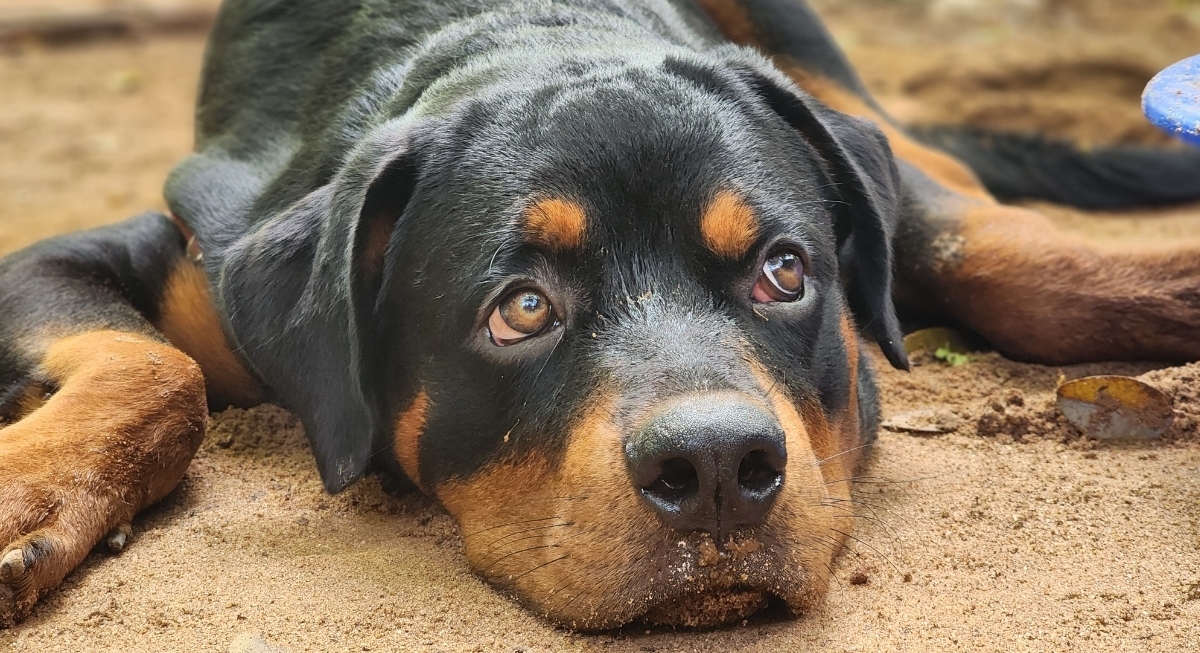
Image via Pixabay/roshankumara
Shelter staff have documented this pattern for years, often called Black Dog Syndrome and Black Cat Syndrome. It refers to the lower adoption rates for darker-coated animals. As a result, black pets tend to stay in shelters longer, which increases their risk when space runs out.
Groups like PAWS care for thousands of cats and dogs each year, and trends like this directly shape how quickly animals are adopted and moved through the system.
Old Beliefs Still Influence Decisions
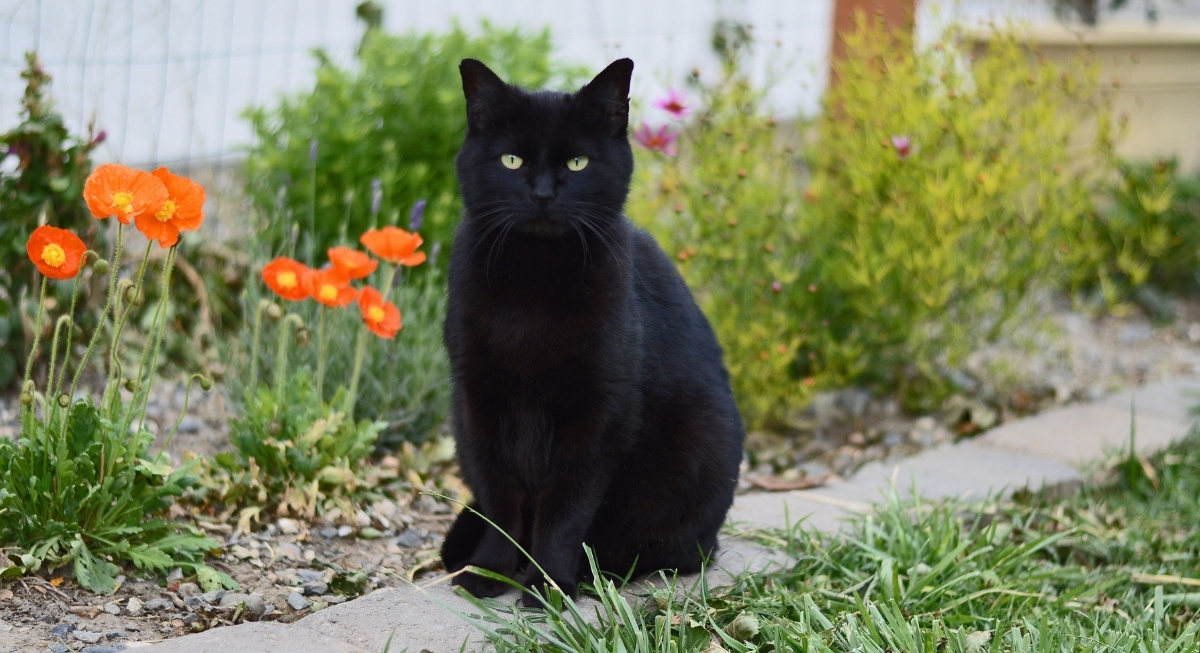
Image via Getty Images/Morgaine85
Superstition still plays a part, especially with cats. The idea that black cats bring bad luck dates back to medieval Europe, where they were linked to witchcraft. That belief never fully disappeared, and it still shapes choices today, even if people don’t say it out loud.
The impact becomes more visible around Halloween. Some shelters pause black cat adoptions during that time to prevent misuse, which delays placements even further. Dogs face a different version of the same problem. Stories and movies often cast black dogs as threats.
Think of the ominous hound in The Omen or the intimidating guard dogs shown across countless films. Over time, those images stick, and they influence how people react when they walk past a kennel.
Visibility Works Against Them
The issue doesn’t stop with perception. Black fur absorbs light, which makes it harder to see facial expressions under indoor shelter lighting. Photos create another hurdle. Adoption platforms depend heavily on images, yet black pets often appear flat or lack detail in pictures unless the lighting is carefully managed.
Shelters have found that better photos can directly increase interest, which shows how much presentation matters.
Numbers Make It Harder to Be Unique
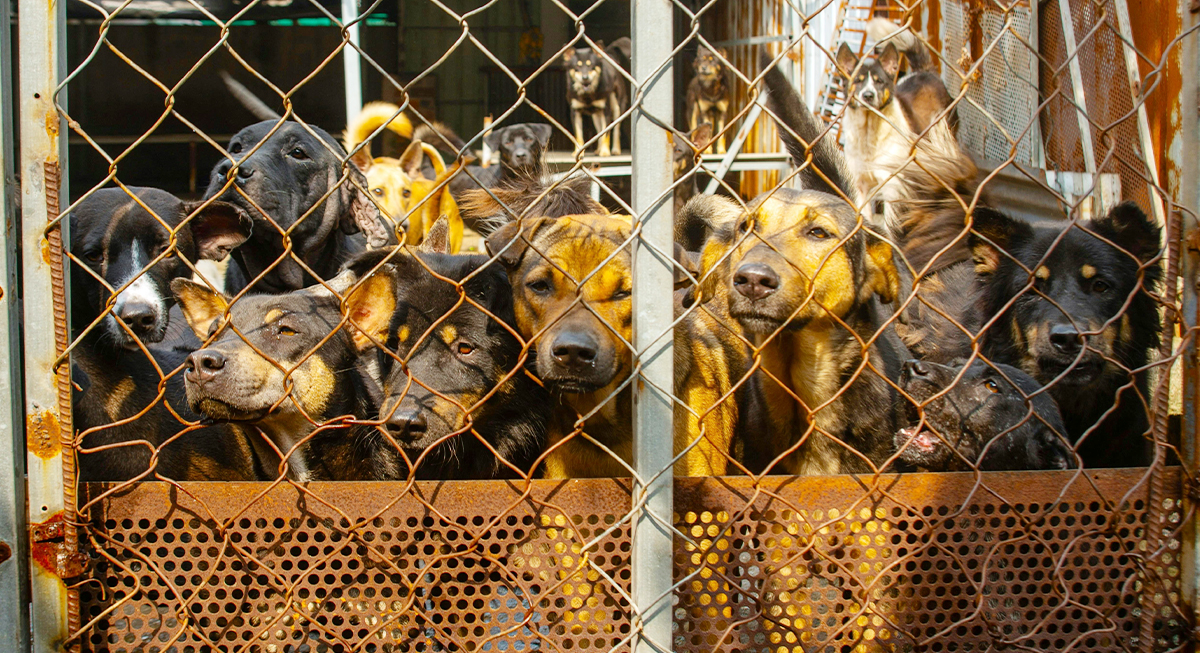
Image via Pexels/Thái Phát
Black is one of the most common coat colors across many breeds, so shelters usually have more black pets available at any given time. That volume creates a strange effect. Rows of similar-looking animals can make it harder for any one dog or cat to stand out.
Some visitors even assume there must be a problem when they see several black dogs grouped, even when those animals are healthy and well-behaved. Large black dogs face an added challenge. Size already affects adoption rates, and when combined with color bias, it can push them even further down the list.
Shelters Are Actively Changing the Outcome
Shelters have started adjusting how they present black pets. Better photography has made a measurable difference. Volunteers and photographers now take photos outdoors or in bright spaces to capture detail and personality.
Placement inside shelters has also changed. Instead of grouping black pets, staff spread them across different areas to avoid visual clustering. Bright blankets, toys, and colorful collars help draw attention to individual animals. Some shelters run targeted adoption events that reduce or waive fees for black pets. These campaigns bring in more visitors and help balance adoption rates.
Awareness has become another key tool. As more people learn that the delay has nothing to do with behavior, interest starts to change. The animals haven’t changed, but the way people see them is.