Why Gen Z Is Choosing Exotic Pets Over Parenthood
Gen Z is expanding what it means to have a pet. Instead of sticking to dogs and cats, many are choosing reptiles, birds, and other less conventional animals that better match their routines and living situations. These choices often come down to flexibility and how easily a pet fits into everyday life.
A study of 1,000 dog owners found that interest in pets is especially strong among younger people, with up to 67 percent leaning toward pet ownership. From there, some move toward more unconventional options.
Once the focus shifts away from traditional parenthood, the kind of pet becomes a more personal choice, and for many, animals that require less time and structure feel like a better fit than both high-energy dogs and long-term commitments like raising a child.
The Money Question Is Hard To Ignore

Image via Getty Images/kyonntra
Gen Z is dealing with student debt, rising rent, and wages that have not kept pace with inflation. Financial experts note that many young adults feel uncertain about long-term stability, which makes a decades-long commitment, such as raising a child, feel risky.
Pets often fall somewhere in the middle. They still require care, but the financial pressure is far lower and more predictable. There is no daycare bill, no college fund, and no major lifestyle reset tied to career pauses.
Flexibility Wins Every Time
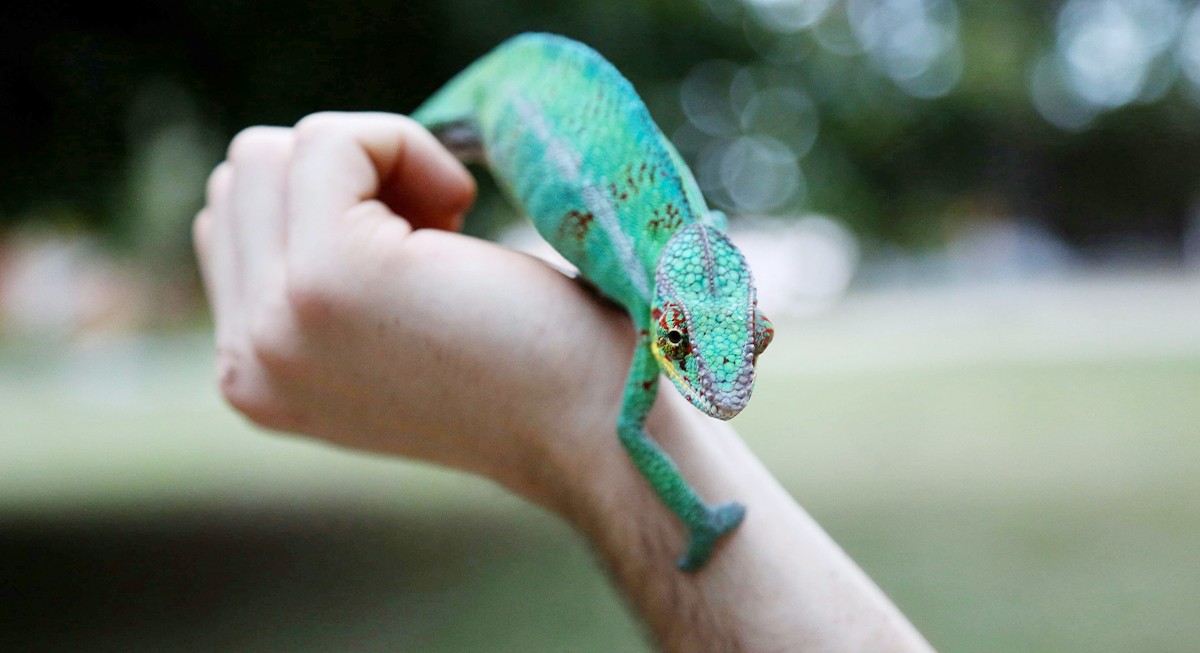
Image via Pexels/laura parenti
Lifestyle plays just as big a part as money. Gen Z places a strong focus on flexibility, travel, and personal growth. Long-term commitments that limit mobility tend to get pushed further down the list. Pets, especially unconventional ones, fit into that mindset. A reptile, a bird, or a small exotic animal can offer companionship without reshaping daily life in the same way a child would.
There is also a change in how relationships are approached. Dating apps have created an environment where people feel less pressure to settle down early. Without that urgency, timelines for marriage and children naturally stretch.
The Emotional Exchange
This is not just about avoiding responsibility, but about choosing a version of it that feels manageable. Pets provide routine, companionship, and a sense of purpose. Research consistently shows they help reduce stress, anxiety, and loneliness. For a generation that openly prioritizes mental health, that benefit carries real weight.
At the same time, social media has changed how parenting is perceived. Daily clips and posts show the exhausting side of raising children, a side older generations rarely saw growing up. That transparency shapes expectations early. Pets, on the other hand, offer a simpler dynamic. They provide a connection without the constant pressure of raising a child.