Why Older Dogs Suddenly Stare at Walls (And When You Should Worry)
Dogs do strange things as they get older, and staring at a wall is one of the habits that can catch owners off guard fast. It feels unsettling because it seems so out of character. A dog that used to follow every snack wrapper and bark at every passing car suddenly stands still in the hallway, focused on absolutely nothing. Because the behavior feels so strange, it has launched thousands of frantic internet searches as owners desperately try to understand what is going on.
The hard part is that wall-staring can mean very different things. Sometimes it’s harmless aging behavior linked to vision changes or confusion. Then there’s the other possibility, and that’s where owners start worrying. Knowing the difference matters because certain signs are easy to miss at first.
Dogs Notice Things Humans Miss
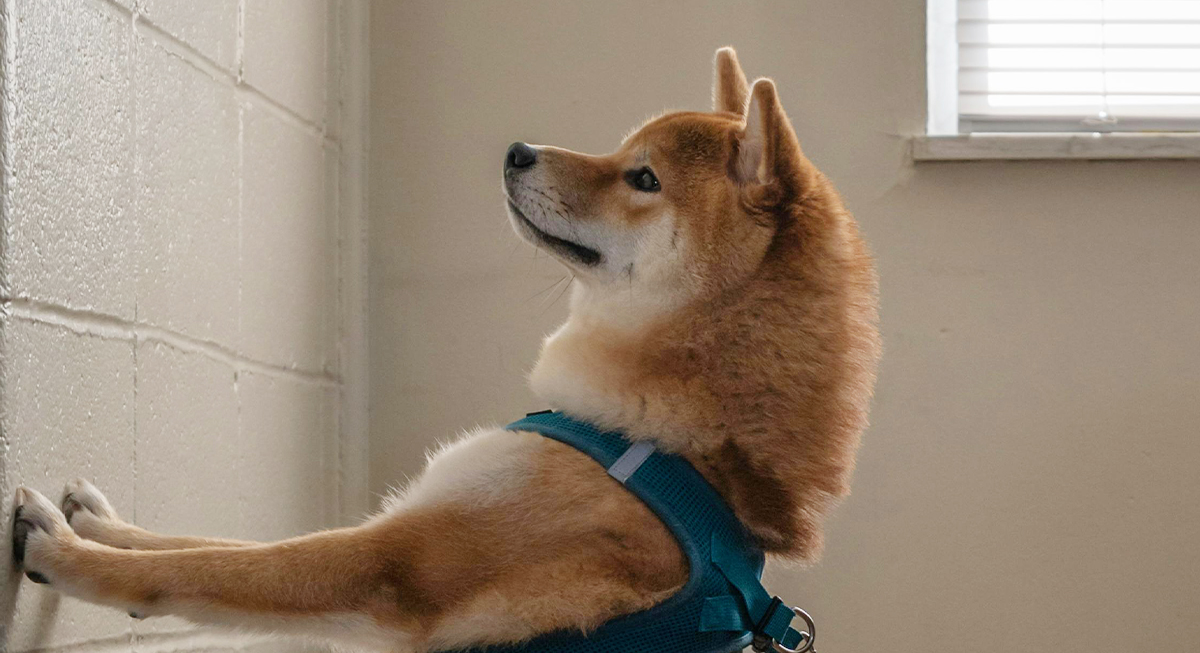
Image via Pexels/Chris F
A dog’s senses are much stronger than ours. Mice inside walls, termites under flooring, buzzing wires, and distant vibrations can all get a dog’s attention. Older dogs still rely on those senses, even as other parts of the brain begin slowing down.
Some dogs stare at one specific wall because they hear activity inside it. Then there are others who focus on corners where sounds echo more clearly. If the behavior happens at the same time every day, there’s a decent chance your dog has locked onto a routine noise that humans barely notice.
Light patterns can play their role in this. Reflections from windows, ceiling fans, or passing cars sometimes create movement that keeps them focused longer than expected. Short episodes usually aren’t alarming. A dog that snaps out of it when called, grabs a toy afterward, or walks away easily probably spotted or heard something interesting. The concern starts when the staring becomes repetitive, prolonged, or disconnected.
Why Senior Dogs Are More Prone to It

Image via Getty Images/LittleCityLifestylePhotography
Veterinarians often link persistent wall-staring in older dogs to canine cognitive dysfunction syndrome, often shortened to CDS or CCD. It works similarly to dementia in humans and becomes more common as dogs age. According to the American Kennel Club, as many as 28 percent of dogs aged 11 to 12 show signs of cognitive dysfunction, and the rate rises with age.
Wall-staring usually falls under the disorientation category. Dogs with cognitive decline may also get stuck in corners, wander through rooms, forget house-training habits, or wake up confused during the night. That’s part of what makes the behavior unsettling. It often arrives alongside small personality shifts that seem easy to dismiss at first.
The Behavior That Should Raise Concern
A dog casually watching one spot for a minute or two is very different from a dog standing rigidly against a wall for half an hour while ignoring their name.
Veterinarians say owners should pay close attention if the dog starts pressing its head against walls rather than simply staring at them. Repeated staring spells throughout the day also deserve attention, especially if the dog seems confused in familiar spaces or suddenly acts withdrawn, anxious, or aggressive.
Some dogs also develop balance problems, changes in appetite, or disrupted sleep around the same time. In other cases, the episodes resemble brief mental shutdowns, during which the dog freezes and appears disconnected, only to return to normal moments later. That’s why repeated wall-staring should never be brushed aside as “just old age” without considering the bigger picture.
What Owners Should Do

Image via Getty Images/Monoliza21
Start tracking when the behavior happens, how long it lasts, and what your dog looks like during the episode. Recording video can help veterinarians spot patterns that owners miss in real time.
Pay attention to responsiveness, too. A dog that immediately reacts to their name or a treat is very different from one that seems mentally checked out.
Mental stimulation becomes more important as dogs age. Walks, puzzle toys, scent games, and regular interaction can help keep older dogs engaged and reduce boredom-related habits.
Repeated wall-staring still deserves a veterinary conversation, especially in senior dogs. Cognitive decline, seizures, and vision changes become easier to manage when caught early.