Why Rescue Dogs Often Bond Faster With New Owners
Dogs are social animals, and they form a strong bond with humans quickly. When it comes to rescue dogs, the bond formation is even faster. When rescue dogs come into a new home, they bring their past experiences with them. Many have lived through inconsistent routines, limited resources, or frequent environmental changes, which have trained them to assess safety quickly.
Once a stable home replaces that uncertainty, the difference shows right away. Regular meals, a steady routine, and a calmer space give the dog a sense of safety it may not have had before. That shift often leads to a quick bond, as the dog responds to the change in its surroundings. Dogs that have learned to adjust quickly tend to respond just as quickly when things improve.
Predictability Is What Makes Rescue Dogs Attach Quickly
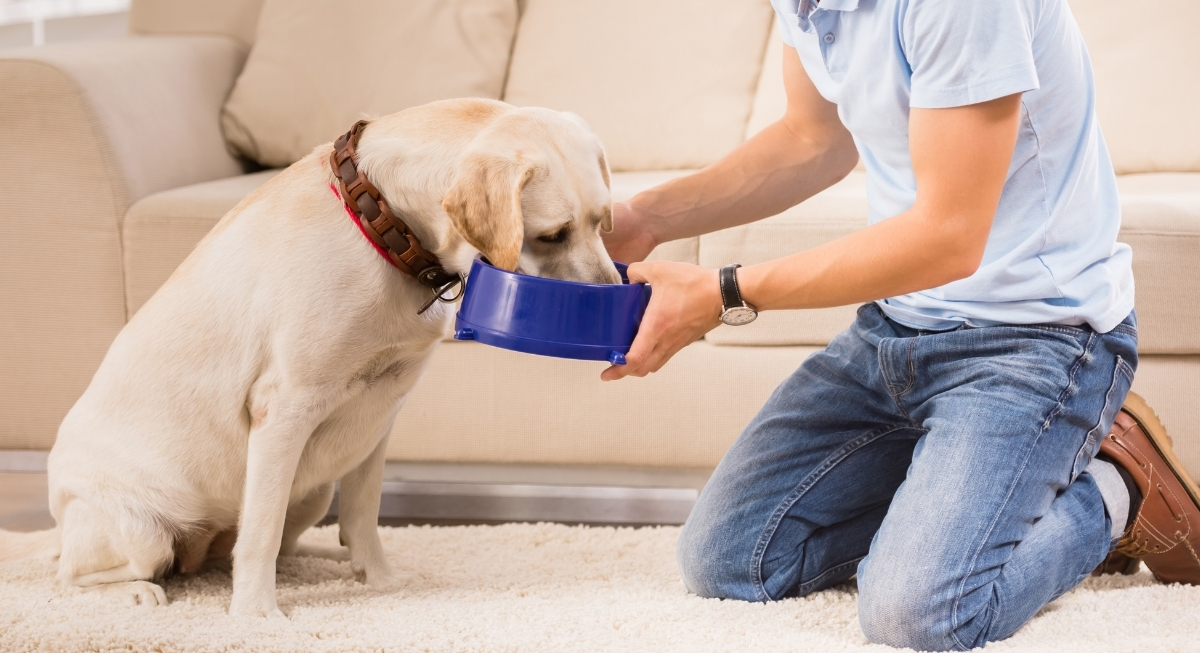
Image via Getty Images/vadimguzhva
What really makes a difference for a rescue dog isn’t how long they’ve been with you, but how consistent things feel. Feeding at the same time, going on walks regularly, and keeping interactions steady help them understand what to expect. That sense of routine makes your home easier to read, and that matters more to them than extra attention or affection.
As those patterns settle in, the dog starts to relax. Knowing when you’ll be back, when they’ll eat, or when it’s time to go out builds a sense of safety. That’s usually when the bond starts to form quickly, because the dog begins to trust that things won’t suddenly change.
Early Behavior Reflects the Dog’s Past, Not Resistance
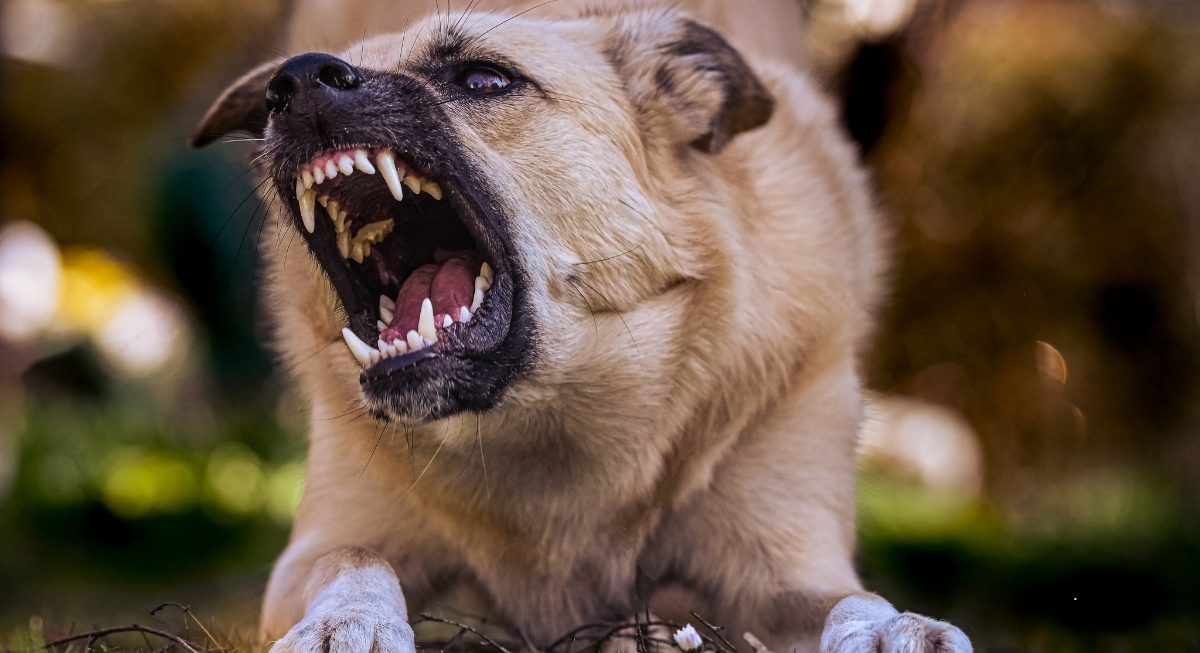
Image via Pexels/Alexas Fotos
Some behaviors can feel confusing at first. Guarding food, reacting to certain sounds, or sticking close to you might seem like problems, but they usually come from what the dog has been through. A dog protecting its food may have gone without it before, and strong reactions to certain sounds or situations often come from past stress.
Looking at these behaviors differently changes how you respond. Instead of trying to correct everything right away, giving the dog time and patience helps them settle faster. As they start to feel safe around you, those reactions ease, and the bond begins to grow naturally.
The Early Phases Explain the Speed
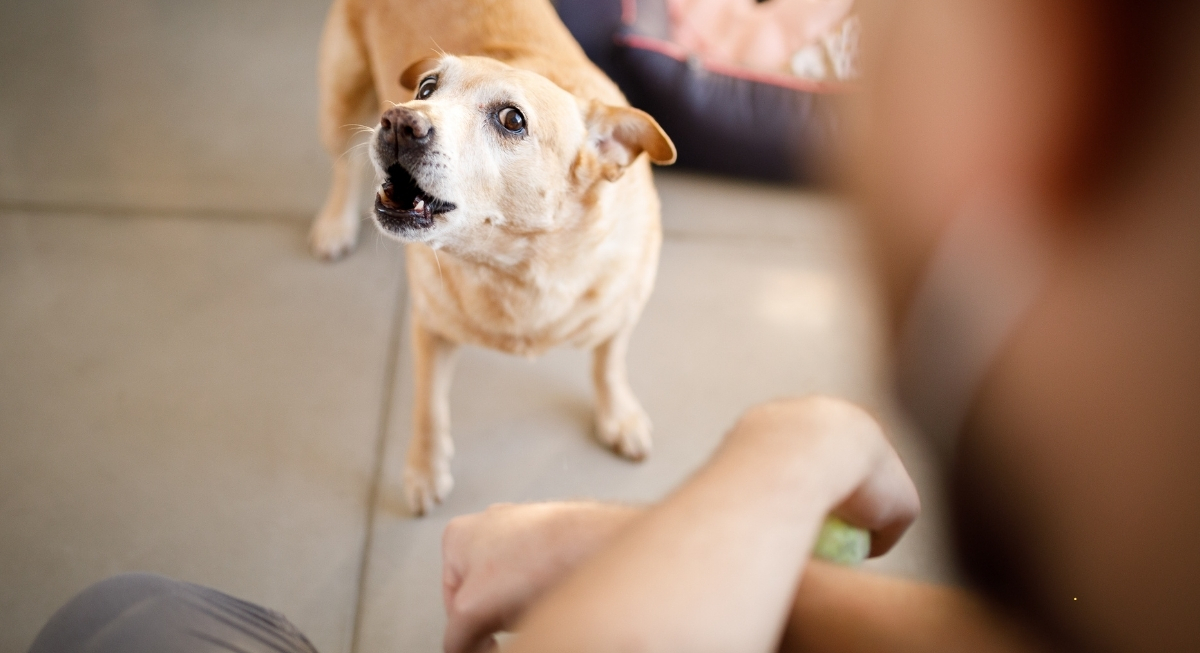
Image via Getty Images/Capuski
Adjustment takes time, even if the bond feels quick at first. Many dogs go through stages where the first few days feel overwhelming, followed by a gradual settling period. Early on, some dogs may seem unusually calm or quiet, which can make the connection feel instant. As they relax, their true personality begins to come through.
Being part of that adjustment builds a stronger connection. Daily routines, training, and small wins help the dog feel more secure, and you become a steady part of that process. As trust builds on both sides, the bond deepens in a way that often feels more meaningful than starting from scratch.
Emotional and Physical Changes Reinforce Bonding
Stress affects more than behavior. Elevated cortisol levels in newly adopted dogs can influence digestion and overall health. Gradual adjustments, including slow food transitions, help stabilize both physical and emotional responses.
As stress decreases, the dog becomes more relaxed and responsive. That change often coincides with increased affection, attentiveness, and engagement with the owner. These shifts make the bond feel immediate, even though it is built on a series of small, consistent interactions.