Why Shelter Overcrowding Is at a Crisis Point and What You Can Do
Shelter overcrowding in the U.S. has reached a breaking point. Intake once peaked at around 8.1 million animals in 2019, and while that number has dropped closer to 7 million in recent years, the real issue is how long animals are staying. Many now remain in shelters nearly twice as long as before 2020, quickly filling available space.
You can see the strain in specific cases. In July 2025, New York City’s largest shelter crossed 1,000 animals for the first time in its 30-year history, and even after limiting new intakes, another 1,500 animals still arrived. In Baton Rouge, a shelter designed to handle about 7,000 animals a year is now taking in over 9,000. The system isn’t catching up. It’s falling behind.
Why Shelters Feel More Crowded Than Ever
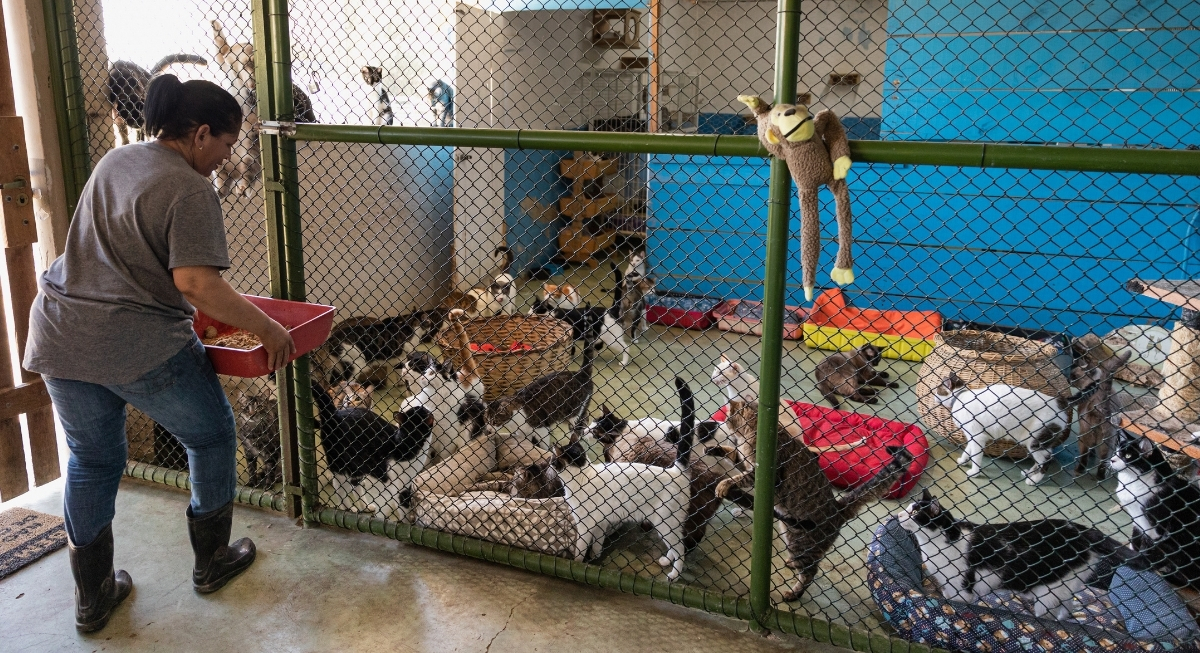
Image via Canva/Joana Baumg
When adoptions slow down, every extra day matters; kennels remain full, and new arrivals have nowhere to go. Shelter teams describe it like a drain that can’t keep up with the flow. Even steady intake starts to feel overwhelming when exits slow down.
Several factors are driving that slowdown. Adoption demand has reduced as daily expenses rise, and adding a pet feels harder to justify. Housing has also tightened. Many rentals limit pet size or breed, which leaves larger dogs waiting longer for homes.
The Hidden Drivers Behind the Crisis
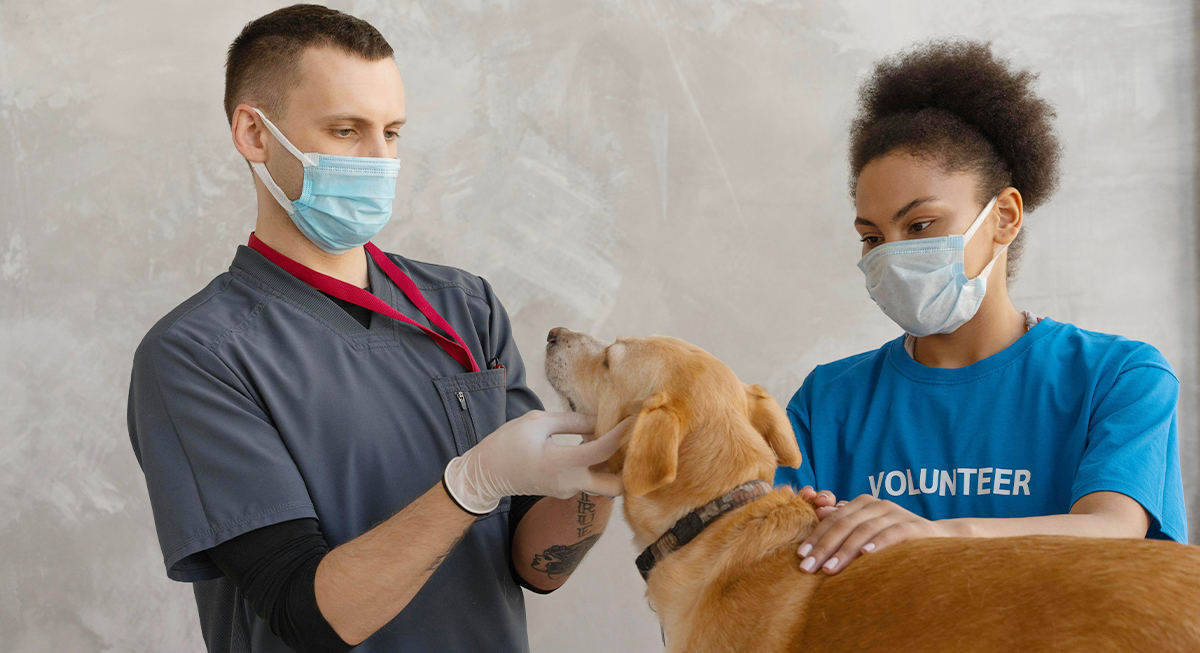
Image via Pexels/Mikhail Nilov
Rising costs are driving many of these decisions. Since 2019, pet-related services like veterinary care and grooming have jumped by 42 percent, while pet food prices have risen 22 percent. A July 2022 poll found nearly one in four pet owners had considered rehoming their pet due to inflation.
In New York City, about one-third of pet surrenders tie directly to housing instability. Limited pet-friendly options and rising rent push families into difficult choices, and those decisions often end at the shelter door.
At the same time, access to basic care has lagged. Spay and neuter services paused during 2020 and 2021, leaving an estimated 3 million pets unsterilized. Veterinary shortages have kept those services from fully catching up, which means more unexpected litters are still entering the system.
What Overcrowding Does Inside a Shelter
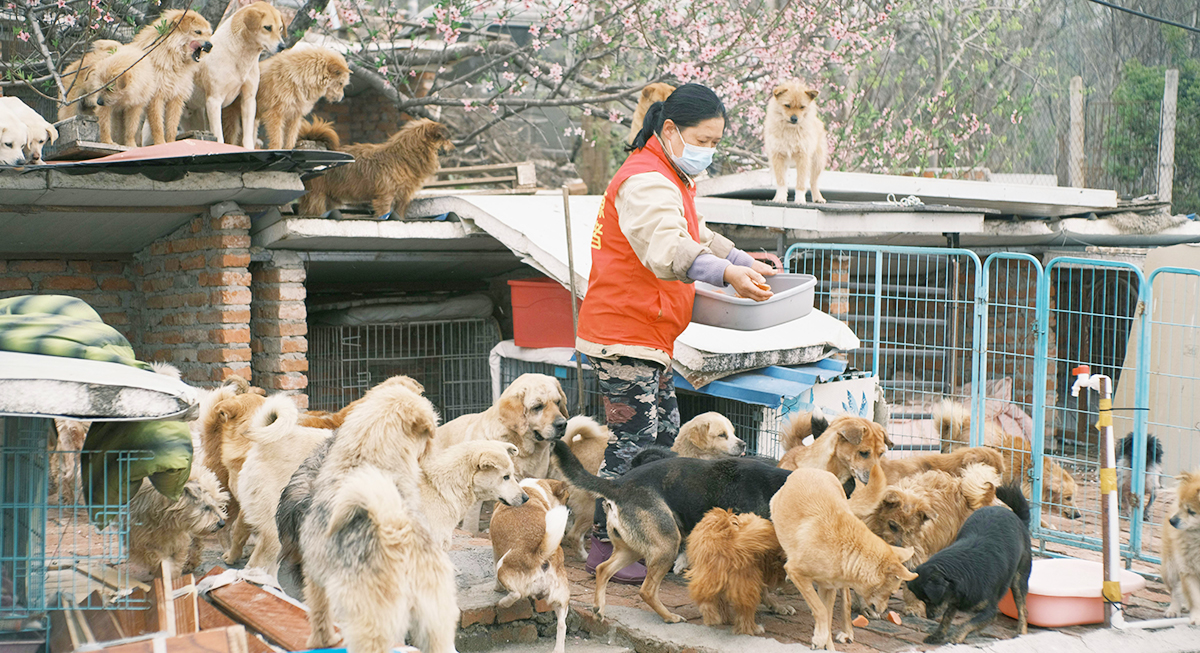
Image via Pexels/Mikhail Nilov
Dogs in packed environments face constant noise and limited movement, which significantly affects their health and behavior. A dog that struggles in a kennel may act completely different in a home, but potential adopters rarely see that side.
Longer stays also stretch staff and volunteers. Each animal needs care, attention, and evaluation, yet time becomes limited when capacity doubles. Burnout follows, and the entire system feels the strain. Some shelters face days where intake continues while kennels remain full, forcing decisions that no one in animal care wants to make.
What Helps Ease the Pressure
Support for pet owners is very important. Access to affordable food, veterinary care, and training helps families keep their animals rather than surrender them. Some programs already show results, with surrender rates dropping in areas where consistent support exists.
Adoption still plays a major role, but timing is vital. Animals need visibility, and shelters that use strong photos, videos, and community events tend to move animals through faster.