Why Some Dog Breeds Bond With Just One Person (And Won’t Switch)
Some dog breeds don’t spread their affection evenly across everyone. Instead, they tend to focus on one person, and that behavior often comes from how they were bred and what they were originally used for.
Herding, guarding, and hunting dogs were often trained to work closely with a single handler. They relied on that one person for direction and routine, so over time, they became wired to pay closer attention to one individual rather than the whole household.
Take Australian Cattle Dogs, for example. They were built to move livestock with a single handler for long hours, so many still naturally latch onto a single person today. Border Collies and Australian Shepherds often show the same pattern, staying highly attuned to the movements and habits of whoever they see as their primary handler.
Guard breeds like Akitas, Cane Corsos, Dobermans, and German Shepherds can also form very strong one-person bonds. They were bred to protect specific people or property, so loyalty and focus on a primary figure became part of the job. That’s also why they can sometimes seem reserved or distant with strangers.
The Favorite Person Usually Earns the Spot
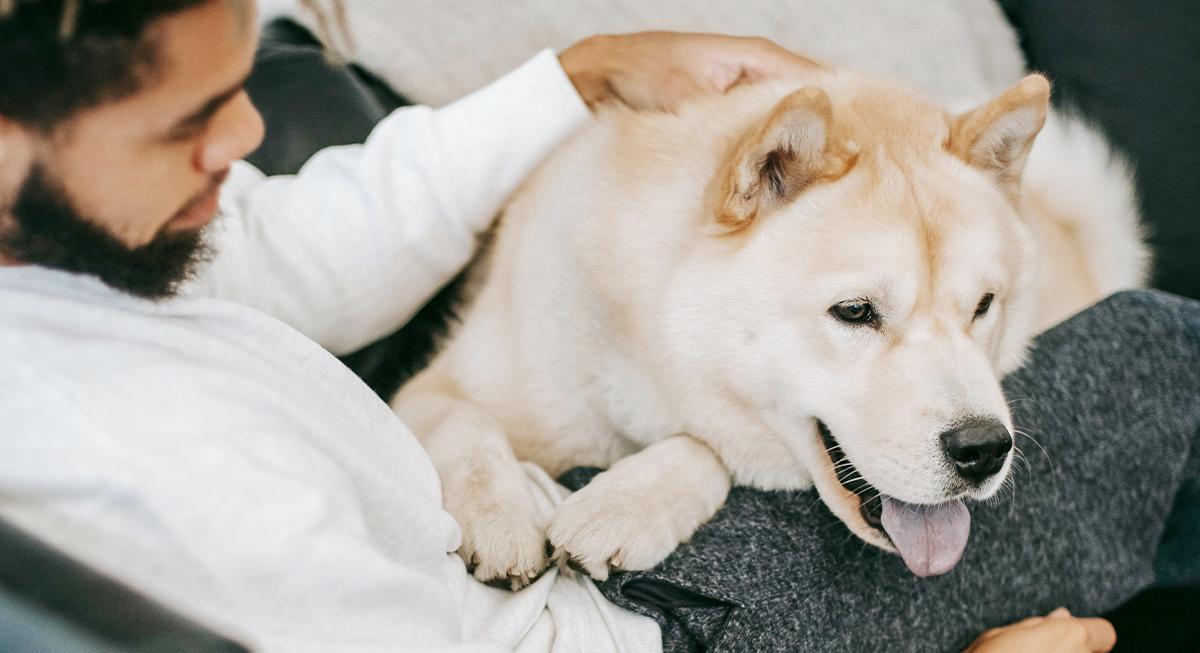
Image via Pexels/Zen Chung
The idea of a “favorite person” usually isn’t random. It often goes to the one who shows up most in a dog’s daily life, handling walks, feeding, training, playtime, and all the small routines that build familiarity over time.
That bond can form even faster with rescue dogs. When a dog has been through stress or instability, the first person who brings calm, consistency, and predictability often becomes their main source of security.
You usually notice it in simple ways. The dog may sleep near one person, follow them from room to room, watch their movements closely, and settle down faster around them than anyone else. Chihuahuas are well known for this kind of attachment, often choosing one person and sticking closely to them while being more indifferent to others.
In some breeds, this loyalty runs especially deep. Akitas, for example, are often linked to the story of Hachikō, the dog remembered for waiting at a train station every day for years after his owner’s death. Stories like this stand out because they feel deeply human, even though they come from a mix of instinct, breeding history, and learned trust.
Loyalty Can Become a Problem
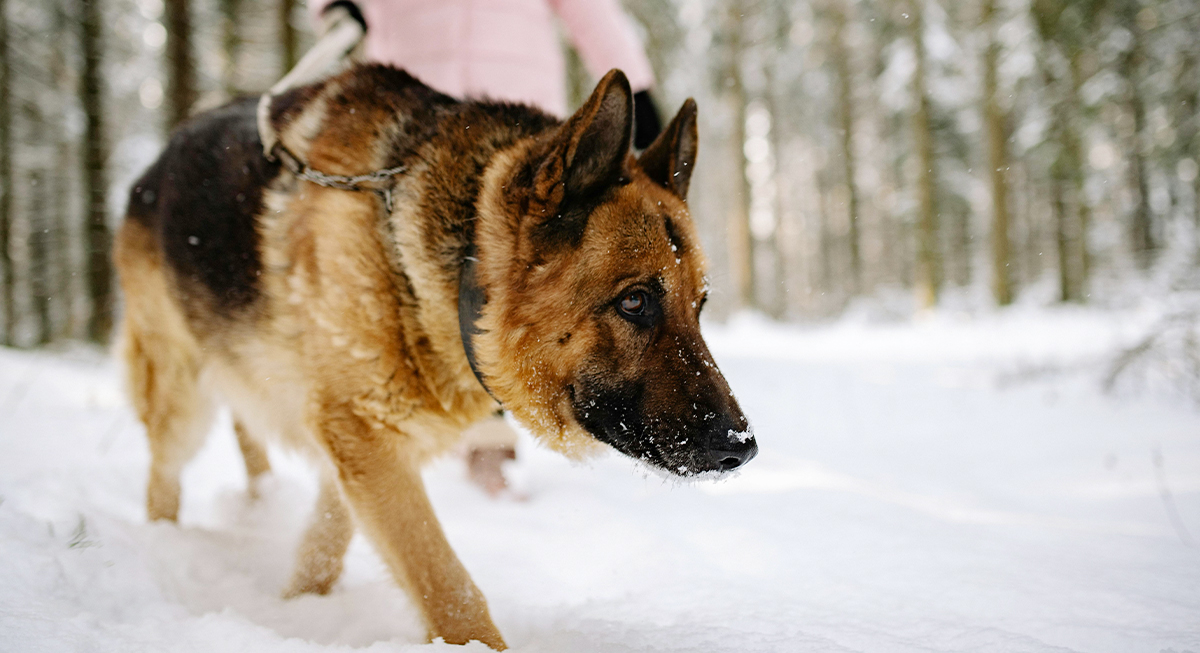
Image via Pexels/Yan Krukau
Loyalty can become a problem when a dog becomes too dependent on one person. Instead of feeling secure, they may struggle when that person is not around. This can show up as separation anxiety, ignoring other family members, or getting stressed during normal absences. Some dogs may even start guarding their favorite person without being trained, while others become restless or vocal when that person leaves.
This is more common in intelligent, high-energy breeds like German Shepherds, Border Collies, and Australian Cattle Dogs. They need more than affection. They need structure, mental stimulation, and variety. Without it, their attachment can turn into unhealthy dependence.
That’s why trainers often encourage independence early. Sharing care across family members helps, and regular socialization also keeps dogs more balanced and less fixated on one person.
Some Breeds Simply Prefer Smaller Social Circles
Some breeds are simply more selective with their social circle. Chow Chows and Basenjis, for example, tend to be reserved around strangers but very loyal at home. Dachshunds can also form strong attachments and often stick closely to their chosen person, following them everywhere and wanting to be part of whatever they are doing.
On the other hand, breeds like Golden Retrievers and Labradors are usually more open and socially flexible. They bond with their families, but they tend to share affection more evenly and warm up to new people more easily.