Why Some Zoos Are Using Acupuncture to Treat Elephants
Acupuncture has become part of elephant care at a small number of zoos and wildlife sanctuaries. Its use is tied to long-term health management that is difficult to manage with medication alone.
As elephants live longer in managed environments, veterinarians increasingly face conditions that persist for years and require ongoing support. Acupuncture is now used alongside imaging, physical therapy, nutrition planning, and foot care as one component within that wider medical framework.
The Medical Reality of Long-Lived Elephants
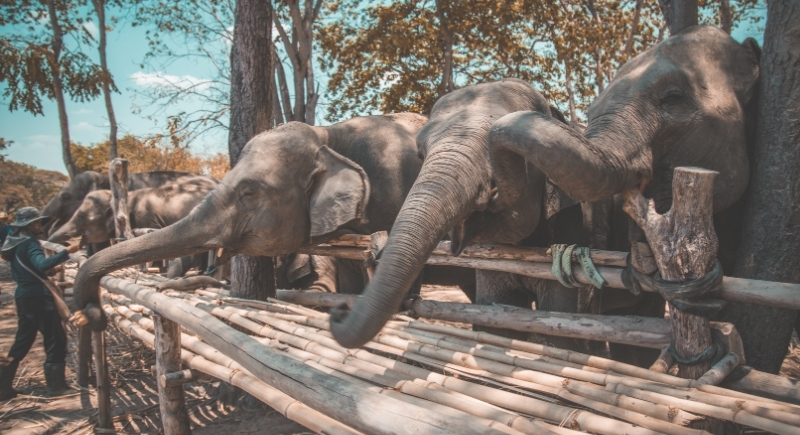
Image via Canva/lemaret pierrick’s Images
Elephants kept under human care often exceed the average lifespan of wild herds. With that added time comes a higher likelihood of arthritis, joint stiffness, chronic foot problems, digestive disruption, and nerve-related injury.
Even expansive, well-designed habitats cannot replicate the distances and terrain elephants would normally cover. Over years, reduced movement and constant weight-bearing place cumulative strain on joints and connective tissue.
Medication remains essential. Pain relief, anti-inflammatory drugs, trimming schedules, and environmental adjustments continue to anchor treatment plans. Acupuncture is used when veterinarians need additional ways to manage discomfort, maintain movement, or support recovery without escalating long-term drug use.
How Acupuncture Fits Into Veterinary Care
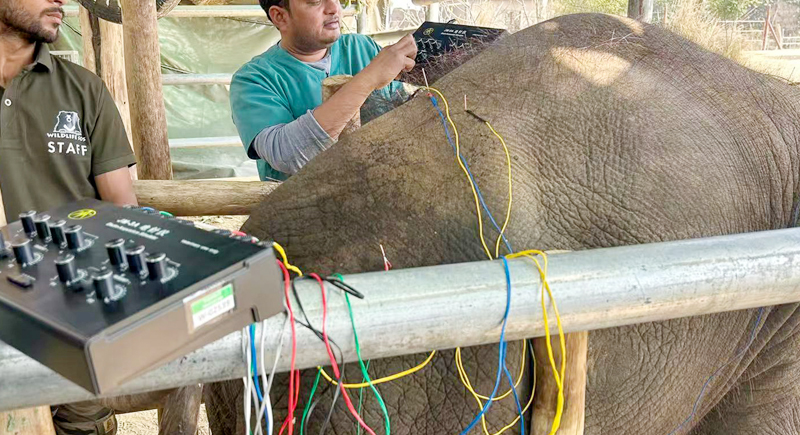
Image via Facebook/Chi University
Veterinary acupuncture, developed through Traditional Chinese Veterinary Medicine, has been applied to horses, dogs, and other animals for decades. In elephants, practitioners focus on stimulating specific points linked to nerve signaling, circulation, and pain modulation.
Treatments are not used in isolation. Each session is integrated into an existing care plan and evaluated through observable changes such as gait, posture, willingness to move, appetite, and tolerance for daily routines. Decisions to continue or adjust treatment are based more on those outcomes than on fixed schedules.
Elephants require specialized approaches. Their thick skin, dense muscle tissue, and hard-to-reference skeletal markers make point placement more challenging than in smaller animals. Veterinarians adapt needle length, insertion depth, and positioning to account for these differences.
In certain situations, electro-acupuncture is used. A mild electrical current passes through the needles to stimulate nerve pathways more directly. Elephants are not physically restrained during treatment, so keepers rely on established husbandry cues and positive reinforcement to encourage stillness. Sessions usually last 20 to 40 minutes, depending on the animal’s comfort and clinical needs.
Recovery After Injury
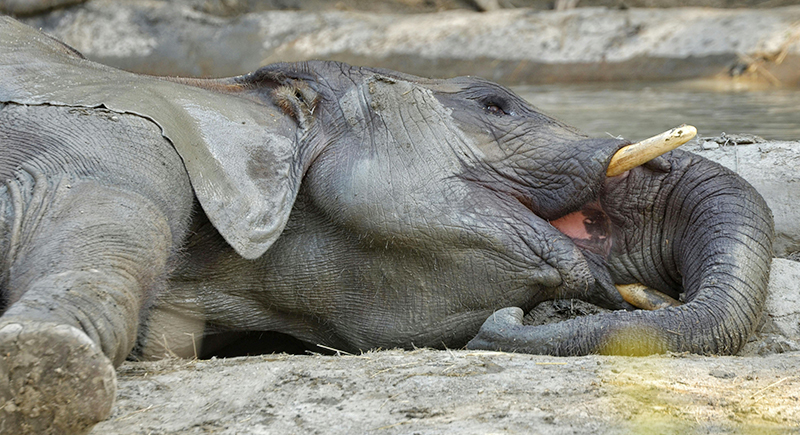
Image via Pexels/Onkel Ramirez
One widely documented case involves Bani, a young Asian elephant rescued in India after a train collision that caused severe neurological damage. Initial treatment stabilized her condition, but progress slowed. Electro-acupuncture was later introduced alongside physical therapy and supportive veterinary care.
Improvement occurred gradually. Bani regained strength and coordination, moving from assisted standing to independent walking. Her recovery did not hinge on a single method, but acupuncture supported nerve stimulation during a critical rehabilitation phase.
Managing Joint and Foot Disorders
Joint degeneration and foot disease remain persistent challenges for aging elephants. In natural environments, constant movement across varied terrain conditions joints and wears foot pads evenly. Managed settings change that pattern.
Acupuncture is used to address pain pathways and circulation around affected joints and feet. Some elephants show improved posture and greater willingness to move after repeated sessions. Increased movement, in turn, supports weight management and reduces stiffness-related complications.
Digestive Stability and Stress Regulation
Image via Pexels/Tanmoy Pal
Elephants depend on continuous gut motility to process large quantities of food. Stress, illness, or reduced activity can disrupt digestion, leading to gas buildup, constipation, or colic. Acupuncture may help regulate nervous system input linked to intestinal movement when combined with diet management and hydration monitoring.
Stress control matters as well. Elephants are socially complex and retain long-term memories. Many individuals in managed settings experienced early disruption through habitat loss, labor, or relocation. Acupuncture sessions follow predictable, cooperative routines that fit welfare practices and help lower stress during medical care.
Training, Safety, and Professional Standards
Only veterinarians with specialized training perform acupuncture on elephants. Certification programs in Traditional Chinese Veterinary Medicine emphasize anatomy, point selection, diagnostic integration, and ongoing monitoring.
Treatments are conducted in coordination with experienced keepers who understand individual behavior and tolerance. Institutions such as the Chi Institute have contributed to formal training pathways used by zoo and wildlife clinicians. Case reports shared through professional networks help refine protocols and clarify appropriate use.
Acupuncture for elephants remains an evolving area of study. Most available evidence comes from case documentation rather than controlled trials focused solely on elephants. Researchers are beginning to track changes in mobility, hormone levels, and behavioral indicators to assess outcomes better.
Responses vary between individuals, and acupuncture cannot address severe infection or advanced organ disease. Its use depends on trained staff, cooperative animals, and sufficient time, which limits where and how it can be applied.