Why Vets Now Recommend the 3-3-3 Rule for Newly Adopted Cats Before Any Bonding
When you adopt a new cat, they usually arrive carrying a lot more stress than people realize. Everything around them has suddenly changed: the shelter or foster home, the car ride, the unfamiliar smells, the new sounds, and a completely different routine. Even cats that seem confident can become overwhelmed during those first few days.
That’s why vets and behavior experts often tell people not to judge a cat’s personality too quickly. A cat hiding under the bed is usually not being unfriendly, and a cat avoiding eye contact is not rejecting its new family. Most of the time, those behaviors simply mean the cat is trying to feel safe again.
This is where the 3-3-3 rule comes in. The first stage focuses on the first three days after adoption. During this period, cats often stay quiet, eat very little, hesitate around the litter box, or avoid interaction completely. Some appear calm while actually feeling overwhelmed.
Animal behavior experts recommend giving cats control during this stage. Instead of carrying them around the house or introducing them to every family member at once, vets encourage owners to create one quiet room with food, water, toys, a scratching surface, and a litter box.
The Biggest Mistake Happens Too Early

Image via Canva/pixelshot
Many owners make the adjustment period harder by rushing bonding, but cats usually work on a slower schedule.
Veterinary guidance, linked to the 3-3-3 rule, emphasizes the same point: let the cat approach first. This helps reduce stress because cats are heavily tied to territory and routine. Sudden handling, loud visitors, and unrestricted access to a busy home can increase anxiety fast.
The second phase of the rule covers the first three weeks. This is when many cats begin testing the space around them. Owners usually notice the first real personality changes here. Appetite improves, curiosity grows, and play starts showing up. Cats begin watching household patterns and learning what feels predictable.
Routine becomes important during this stage. Feeding at the same time, keeping the litter box clean, and maintaining calm play sessions help cats settle faster. Consistency builds trust long before physical affection does.
The Three-Month Mark
Around the three-month mark, many adopted cats finally relax enough to reveal their true selves. This is often the moment owners suddenly say things like, “She’s a completely different cat now.”
The nervous cat hiding behind furniture starts sleeping openly in the living room. The cat that avoided touch starts brushing against the legs during breakfast. Play becomes more energetic, and some cats even begin greeting people at the door. The 3-3-3 rule helps prevent owners from giving up too early or assuming they failed.
Some Cats Need Longer Than Three Months
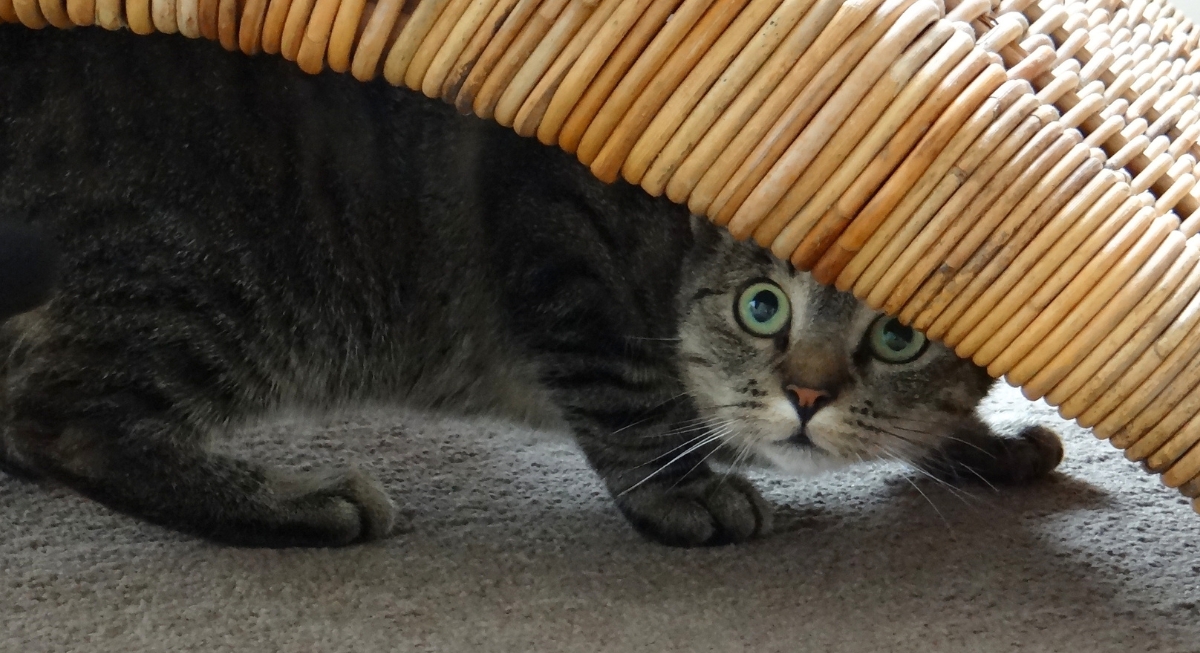
Image via Canva/zorotoo’s Images
One reason vets keep recommending the rule is that it sets realistic expectations without turning adjustment into a strict deadline. Cats with trauma histories, poor socialization, health problems, or experience in multi-pet homes may move more slowly. Some need months before they fully trust a space. But that does not mean the adoption is going badly.
Behavior experts often encourage owners to look for smaller signs of progress instead. Eating normally, grooming regularly, exploring new rooms, sleeping in exposed areas, or using the litter box consistently. Those changes usually signal growing comfort.
The rule also reminds people that bonding is not something owners can force through constant attention. Cats build trust through predictability, patience, and space. Ironically, many cats become affectionate faster once people stop trying so hard to make it happen.