Why Your Cat Purrs and It’s Not Always Because They’re Happy
Purring, that soft, steady rumble from your cat, has a reputation so strong that most people hear it and assume one thing: contentment. Sometimes that’s true. A cat stretched across your lap, eyes half-closed, is likely enjoying the moment. But the sound itself doesn’t tell the full story. Purring can also occur in situations that have nothing to do with comfort, and in some cases, it signals the opposite. To understand what your cat is actually saying, you have to look beyond the sound.
What a Purr Really Is
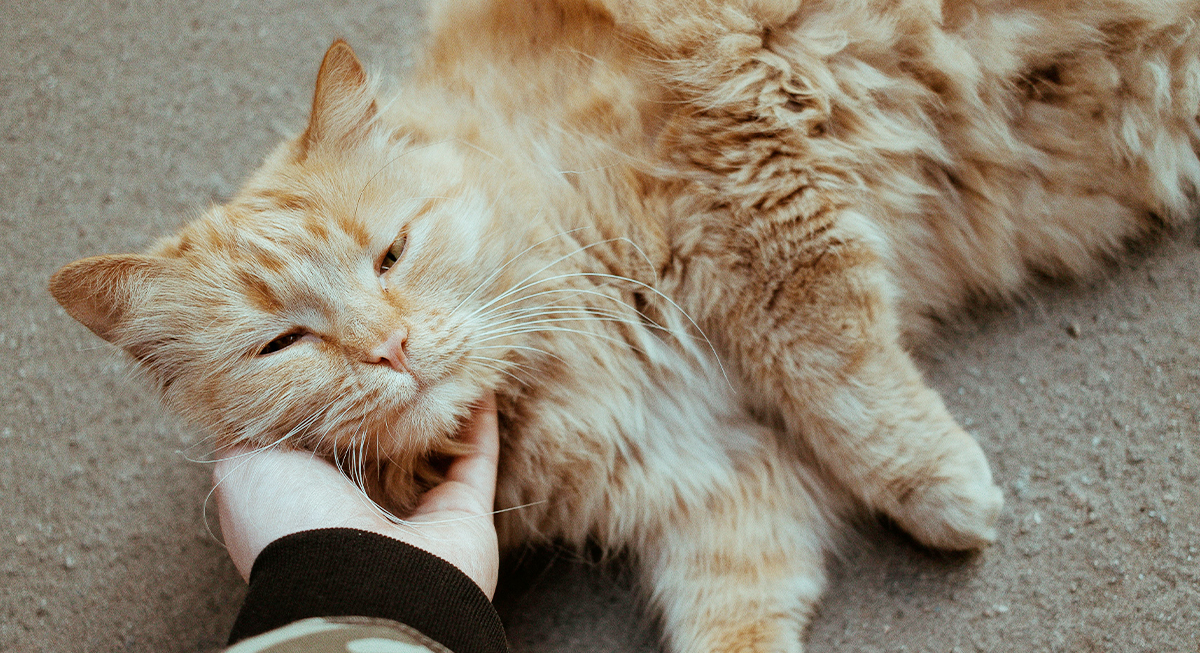
Image via Pexels/Kris Møklebust
Cats produce that vibration by rapidly opening and closing the glottis, the space between the vocal cords, while breathing in and out. This creates a continuous, low-frequency sound that runs through both inhale and exhale cycles.
Researchers believe brain signals control this process, though the exact trigger remains unclear. In other words, we know how the sound is made, but not exactly why it turns on.
When Purring Means Your Cat Is Content
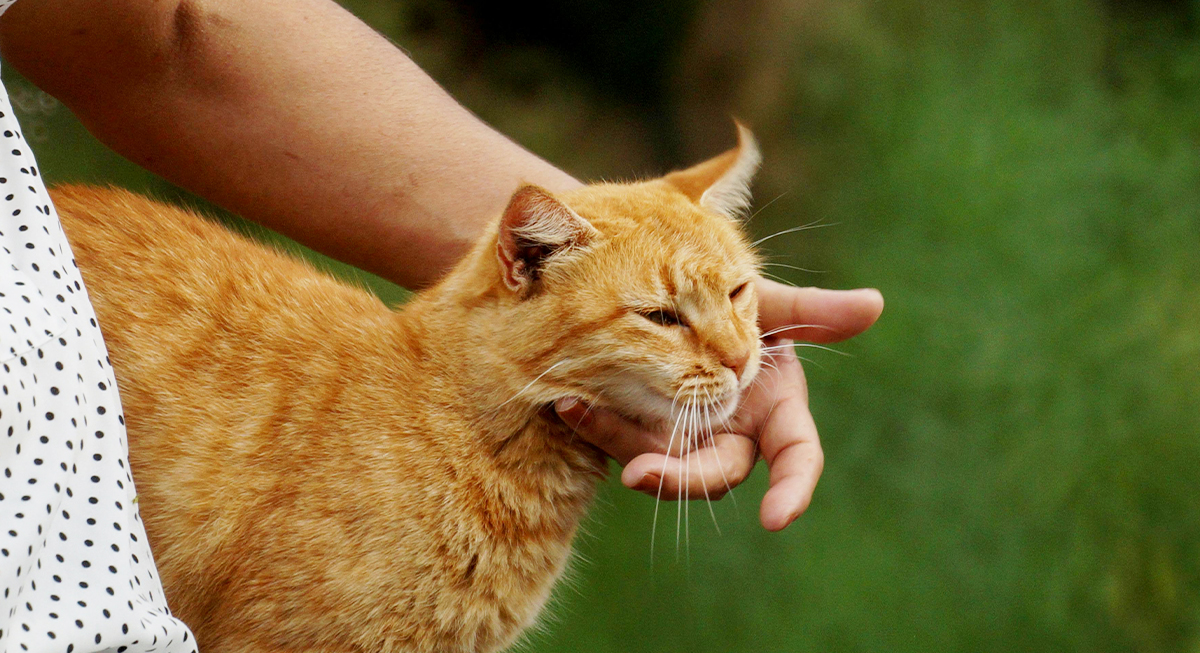
Image via Pexels/CESAR A RAMIREZ VALLEJO TRAPHITHO
Most of the time, purring shows up in the moments you’d expect. You hear it when your cat is settled in a warm spot, stretched out on your lap, eating, or slowly kneading a blanket. It tends to come out when everything feels familiar and safe.
The rest of their body usually makes that clear. Loose posture, slow blinks, and calm breathing all line up with that steady sound. This is the kind of purr people recognize right away, which is why it’s often linked to contentment.
The Survival Purr: Navigating Stress, Pain, and Illness
Some cats purr when they’re anxious. In these cases, it appears to work as a coping mechanism. You might notice it during a car ride, at the vet’s office, or after a stressful event at home.
The cat isn’t expressing pleasure. It’s trying to regulate its own state. The behavior has been compared to how humans manage stress through repetitive or soothing actions. The sound may help the cat settle into a situation it cannot control.
Cats may purr when they’re injured or unwell, or in physical discomfort. Some even continue purring near the end of life. It may be a way to signal a need for care.
This is why interpretation matters most. A crouched posture, reduced movement, or changes in appetite alongside purring should be taken seriously. The sound alone is not enough to judge how a cat feels.
Purring as a Way to Communicate
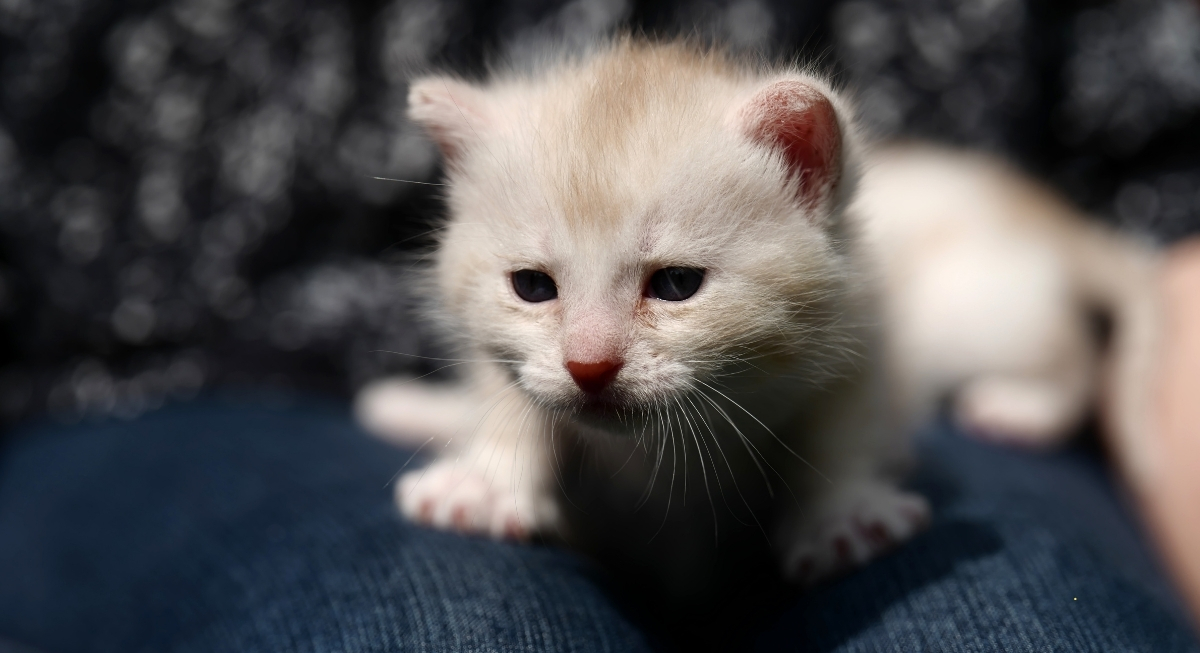
Image via Getty Images/Valdas Jarutis
Kittens start purring within days of being born, using it to communicate with their mother during nursing. That early function carries into adulthood, where the sound continues to support social interaction.
Cats also use purring to interact with people and other animals. A short purr can act as a greeting. A louder, more insistent version may show up when your cat wants something, especially food or attention.
Researchers have identified a specific type often called a “solicitation purr.” It combines the usual low-frequency rumble with a higher-pitched element that resembles a baby’s cry. Humans are naturally sensitive to that frequency, which may explain why it’s hard to ignore a cat that’s purring at feeding time.
The Science Behind the Sound
There’s another layer that makes purring more than communication. The frequency of a cat’s purr typically falls between about 20 and 150 Hertz. That range overlaps with frequencies known to support bone strength and tissue repair in medical settings.
Some researchers suggest that purring may help cats maintain their bodies, especially since they spend long periods resting. The vibration could stimulate muscles, support healing, and reduce strain on bones over time. This idea is still being studied, but it offers a practical explanation for why cats might purr even when they’re alone or inactive.