Why Your Dog’s Stare Means More Than You Think
If your dog locks eyes with you, it is usually intentional. Dogs make eye contact with people far more often than wolves do. That shared gaze can actually raise oxytocin levels in both of you, the same hormone linked to bonding and trust between parents and children.
At the same time, staring can signal different things depending on age and health. Research suggests canine cognitive dysfunction affects about 22.5 percent of dogs over nine, 28 percent of those between 11 and 12, and nearly 68 percent of dogs between 15 and 16. So a stare is rarely random. The real question is what your dog is trying to tell you.
Attention Is A Learned Skill
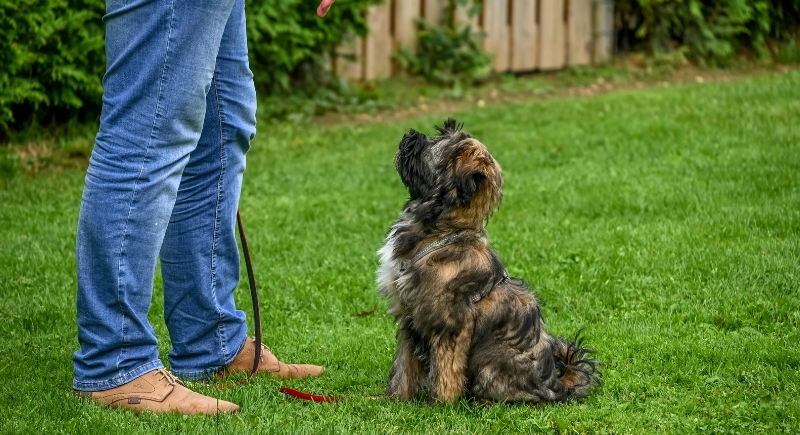
Image via Pexels/Lorna Pauli
Eye contact is not accidental. Many dogs are trained to “watch” their handler, and they quickly learn that focus brings rewards. Praise, treats, a walk, or even a simple reaction can reinforce the habit. Once they see that looking at you works, they start doing it on their own.
You notice it at dinner time. The bowl is not out yet, but the stare has already started. You reach for your keys, only to find your dog is locked in. They have learned the pattern. Your movements predict what comes next, and the stare becomes part reminder, part quiet request for you to follow through.
They’re Reading You Closely
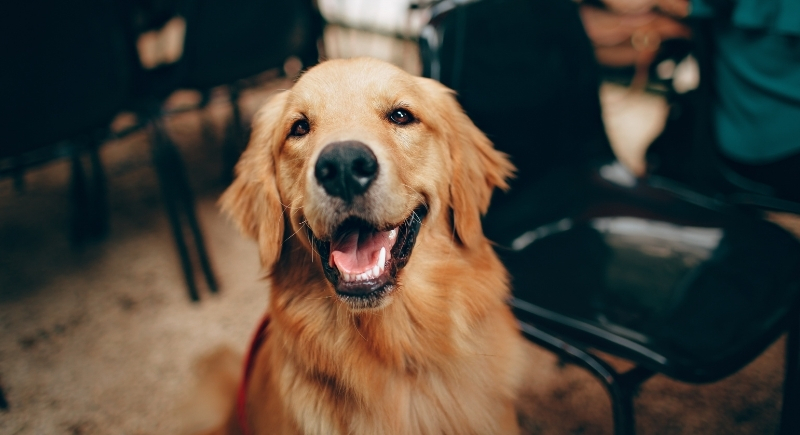
Image via Pexels/Helena Lopes
Dogs pay close attention to what you do without realizing it. They watch your posture, listen to changes in your voice, and pick up on tension in your face. A loose stance can invite play. A tight jaw or sharp tone can tell them to pause. That steady look is often your dog gathering information.
Some breeds lean into this more than others. Labrador Retriever and German Shepherd were developed for close work with people, so checking in visually comes naturally to them. Siberian Husky, bred to pull sleds and respond to commands across distance, may not rely as much on constant eye contact. A breed’s history shapes how natural that staring habit feels.
The Loving Gaze Is Real Science
When your dog looks at you with soft eyes, blinks slowly, and holds that gaze, it usually signals ease. Studies on human and canine bonding show that mutual eye contact raises oxytocin levels in both species.
Oxytocin supports attachment and a sense of calm. That is why a simple look can feel surprisingly powerful. Among dogs, direct eye contact often carries tension and can signal a challenge. When your dog chooses to hold your gaze instead, it typically reflects trust and a feeling of safety with you.
Context Changes Everything
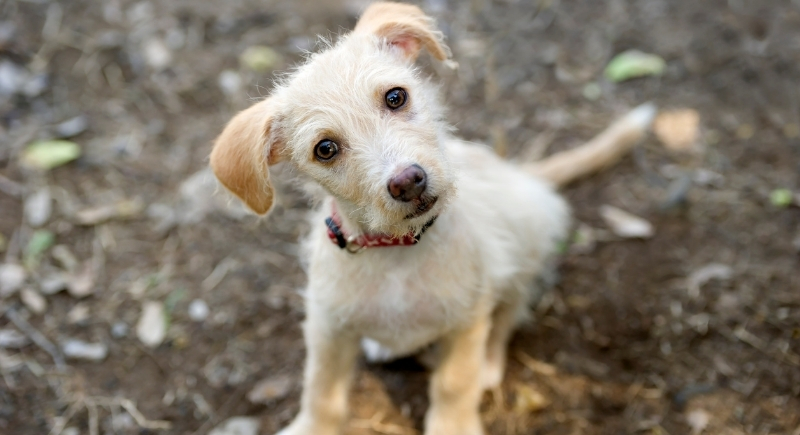
Image via Getty Images/Mexitographer
A stare never exists on its own. The rest of the body tells the real story. A loose tail, relaxed ears, and soft eyes usually point to curiosity or affection. A stiff frame, lowered head, raised lips, and an unblinking stare signal tension. If a dog freezes over a bone and locks in, giving space is the safest move.
Behavior specialists recommend avoiding direct eye contact with a tense dog and stepping back slowly. Most dogs ease up once the pressure drops. In some cases, frequent staring reflects anxiety. Dogs with separation anxiety often track their owners constantly, worried about being left alone. When that happens, structured training and guidance from a veterinarian can make a real difference.
Guidance, Protection, And Everything In Between
Staring can also mean a dog is waiting for direction. During training sessions, focused eye contact shows engagement. Many handlers actively teach this skill because attentive dogs respond faster in agility, obedience, and rally work.
Even bathroom breaks have their own meaning. Dogs often look at their owners while relieving themselves because they feel vulnerable and seek reassurance. That glance can be a trust signal. A stare can ask for food, request play, check your mood, show affection, signal discomfort, or reveal cognitive decline. The eyes tell a story, but the rest of the body provides the subtitles.