Winter Safety Tips for Dogs, Cats, and Other Household Pets
Cold snaps also change what pets need. The shift from summer lounging to winter survival can be rough for furry friends who aren’t built for snow boots or salt-covered streets. A little planning and a few smart habits can make a big difference in keeping pets comfortable, hydrated, and out of harm’s way until the weather turns warm again.
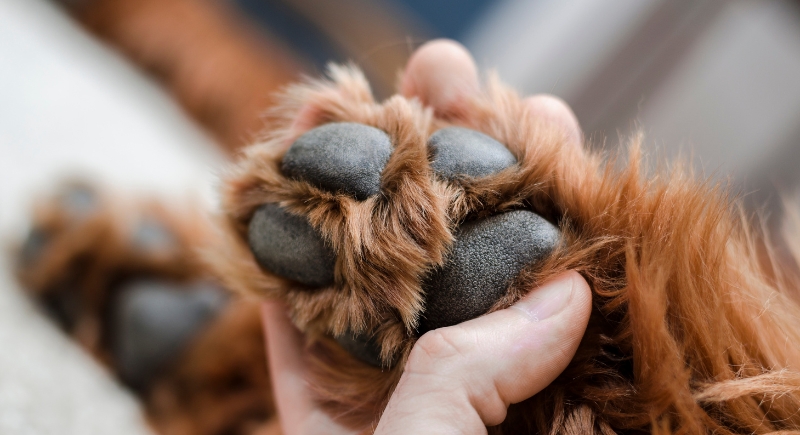
Don’t Skip the Paw Check After Walks
Credit: Getty Images
Ice, salt, and chemical de-icers cling to paws like magnets. After a stroll, rinsing or wiping pets’ feet helps prevent cracked pads and toxic ingestion when they groom themselves later. Dogs especially walk through sidewalk salt without hesitation, so a quick rinse with warm water goes a long way.
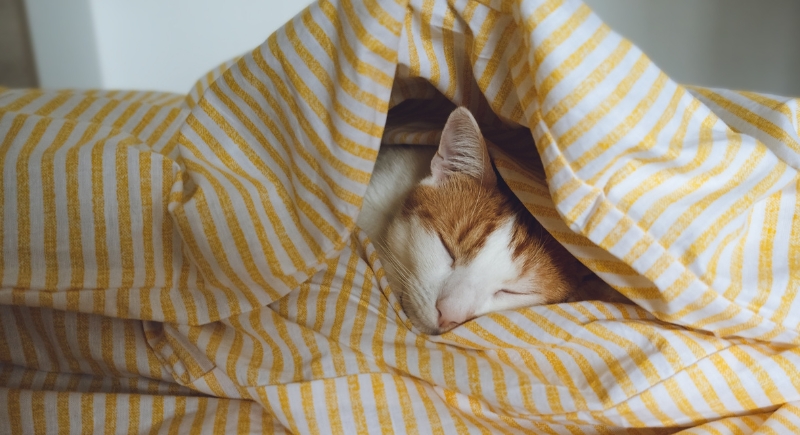
Double Up On Bedding, Not Just Blankets
Credit: Canva
Cold floors suck up heat fast, especially for older animals with joint issues. Raising pet beds off tile or wood using a low platform helps block drafts. Layered bedding can insulate just as well as pricey thermal pads. The goal is warmth without overheating.
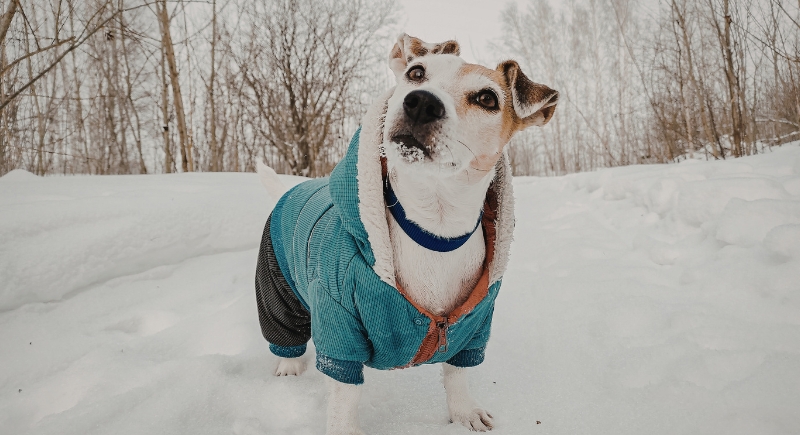
Limit Outdoor Time for Small or Short-Haired Breeds
Credit: Canva
Greyhounds, Chihuahuas, and other lean or low-fur pets lose body heat quickly. A thick coat might look cozy, but it’s rarely enough below freezing. Quick bathroom breaks and warm pet jackets do the trick. Prolonged cold exposure for these animals can lead to hypothermia faster than most people expect.
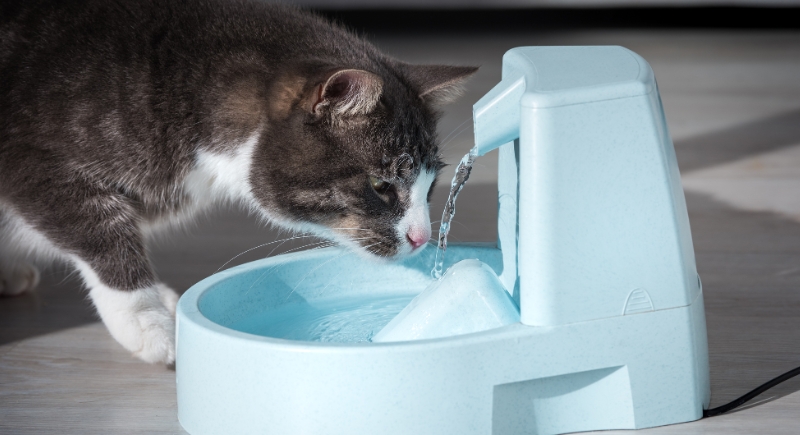
Keep Water Bowls From Turning Into Ice Traps
Credit: Getty Images
You fill the bowl at night, and by morning, it’s a tiny ice rink. Hydration still matters in winter, even if pets don’t seem as thirsty. Heated bowls are a solid solution for outdoor setups. Indoors, just top off the water more often.
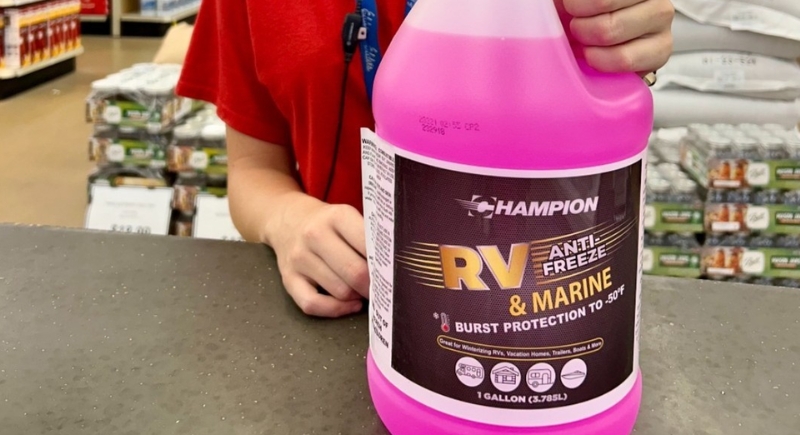
Antifreeze Is More Dangerous
Credit: Instagram
One lick can be lethal. Ethylene glycol—the main ingredient in antifreeze—has a sweet taste that attracts animals. Keep containers tightly sealed and wipe up any spills immediately. If you’re switching brands, look for pet-safe options that use propylene glycol, which is less toxic.
Create Indoor Play Spaces for Cold Days
Credit: pixelshot
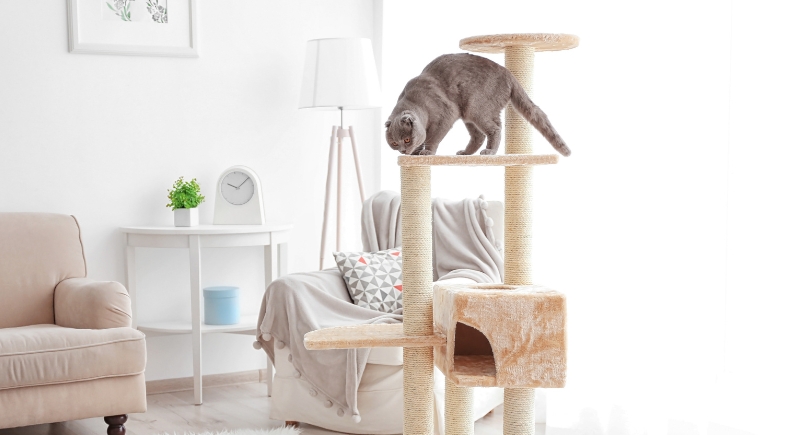
Exercise matters, even when outdoor adventures slow down. Pets left with too little to do inside can get anxious or destructive. Puzzle feeders or a few rounds of tug in the living room help burn off energy. Cats often appreciate vertical climbing spots or window perches to stay stimulated.
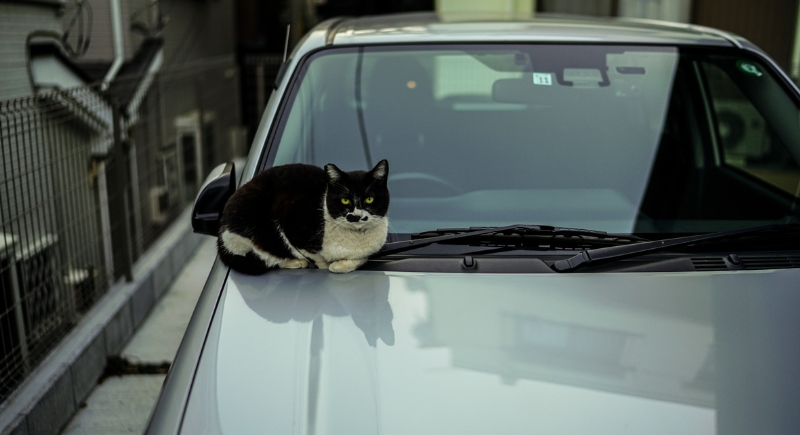
Car Hoods Make Dangerous Hiding Spots for Cats
Credit Aflo Images
The warmth of a parked car’s engine is too tempting for stray or outdoor cats. They curl up in wheel wells or under the hood and don’t always make it out in time. Before starting your car, tap the hood a few times or honk lightly to scare off any animals that may be tucked inside.
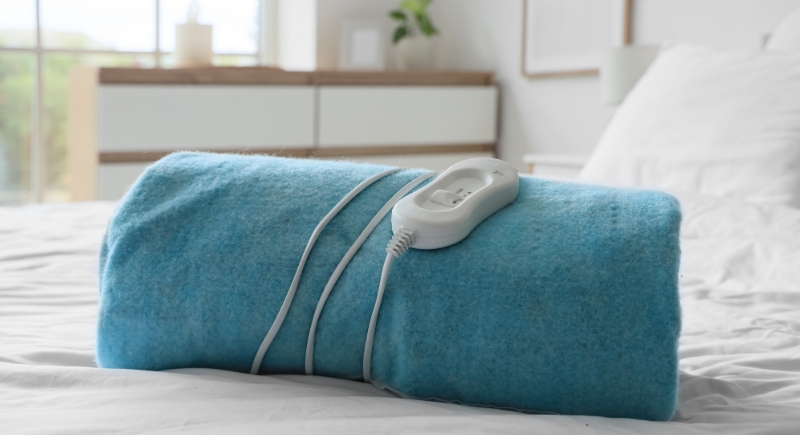
Avoid Using Electric Blankets in Pet Beds
Credit: pixelshot
Heated bedding might sound helpful, but electric blankets can overheat animals or get chewed through. Stick with microwavable pet-safe heating pads or use layers of regular blankets. For outdoor shelters, straw is a safer option than fabric, as it does a better job of staying dry and insulating.
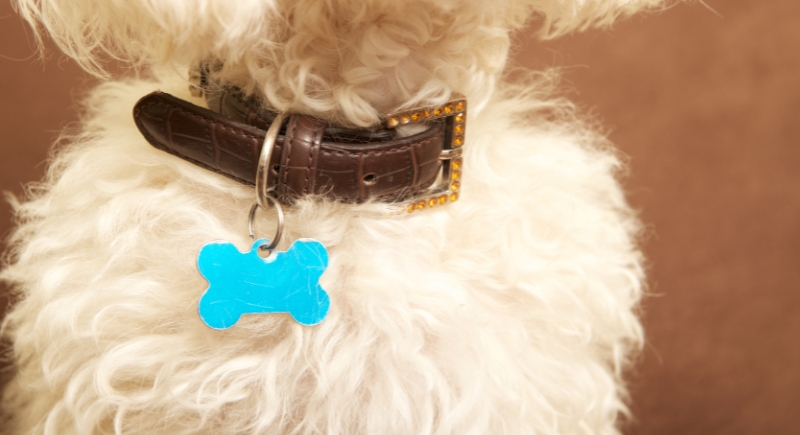
ID Tags Matter More When Snow’s Involved
Credit: Getty Images
Scent trails vanish under snow, and landmarks get buried. If a pet slips out during winter, they may not be able to find their way home. Ensure collars are secure and readable, especially ahead of storms or holiday travel, when doors open more frequently, and routines change suddenly.
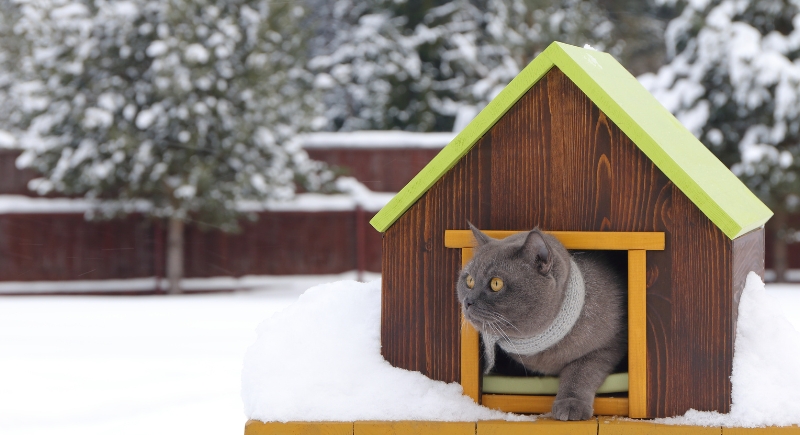
Outdoor Pets Need Wind-Proof Shelters, Not Just a Roof
Credit: Getty Images
If an animal must stay outside, its shelter should block wind, stay dry, and be packed with straw. Face openings away from prevailing winds, and make sure the structure is raised off the ground. A small entrance helps trap heat, and regular food checks help maintain energy levels.