10 Words Cats Hate the Most According to a Vet
If you live with a cat, you have probably noticed this. You say a normal household word, and your cat suddenly freezes, leaves the room, or looks alert from across the house. Vets say cats quickly learn sounds linked to stress, handling, or routine changes, and those words alone can trigger an instant reaction.
No

Credit: Getty Images
In many homes, “no” becomes one of the first human sounds cats associate with losing access to something they want, whether that’s food, counters, or open windows. Cats usually react more to tone and repetition than to vocabulary. Over time, the sound alone can signal interruption or frustration rather than guidance during daily routines.
Vet
Credit: Canva
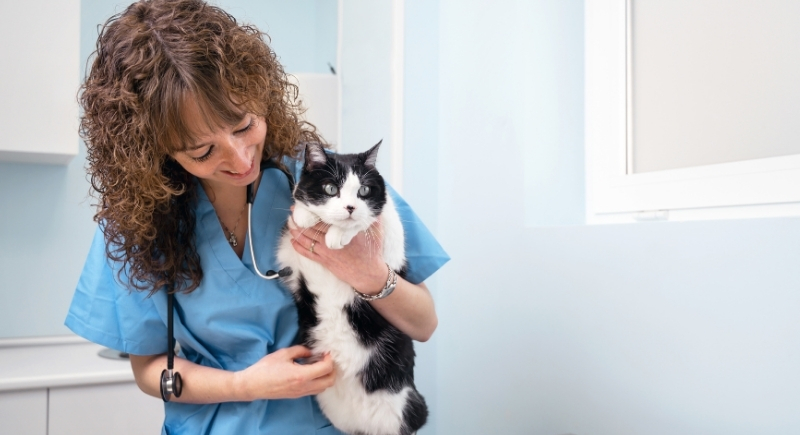
Inside veterinary clinics, staff often hear cats vocalizing before carriers even open, and owners frequently report saying “vet” at home, which triggers hiding behavior. The word becomes linked to unfamiliar smells, restraint, and handling by strangers. For many cats, the stress response begins with the sound of the clinic visit rather than the clinic visit itself.
Carrier
Credit: Canva
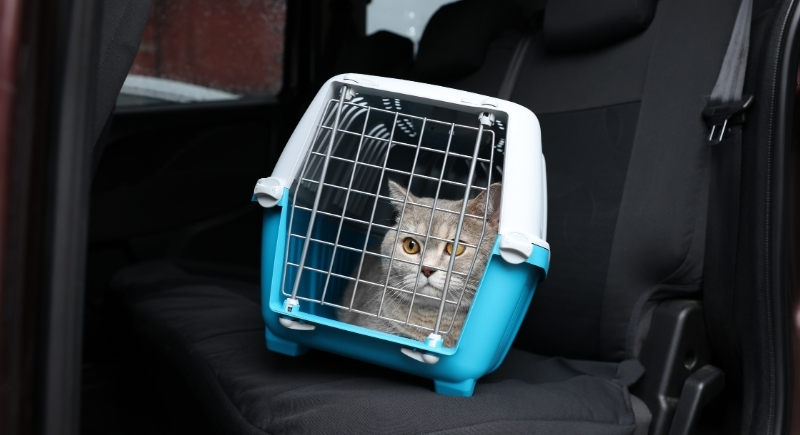
Many carriers only appear right before travel, which makes them easy for cats to categorize as bad news. Because cats rely heavily on scent memory, a carrier stored in a closet often smells unfamiliar and threatening. When it finally appears, cats already expect restraint, motion, and unpredictable environments outside home territory.
Vacuum
Credit: Canva
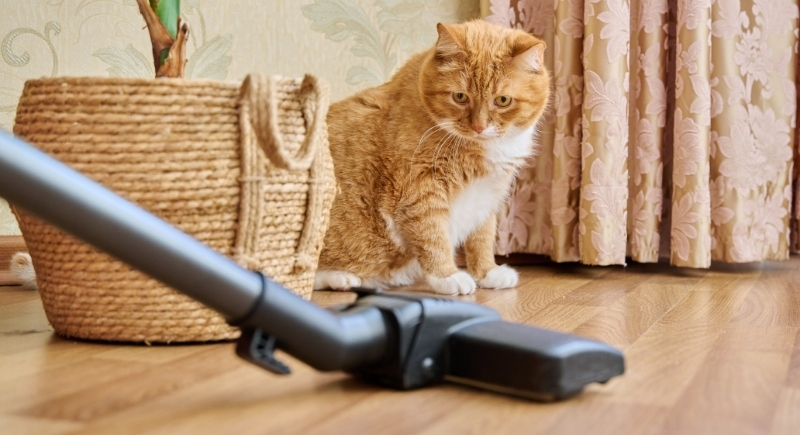
Mechanical noise creates a very different sensory experience for cats than for humans. The word “vacuum” can trigger anticipation because cats detect high-frequency vibrations long before machines power on. Some cats hide when they hear their owners preparing cleaning supplies, showing they’ve learned the sequence of sounds leading to a sudden loud noise.
Car
Credit: Canva
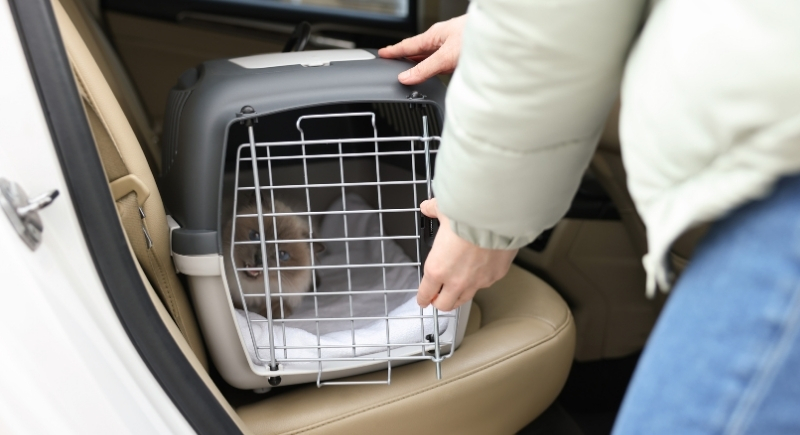
Most cats spend nearly their entire lives controlling a single territory, so car travel removes every familiar reference point at once. The word often predicts motion, confinement, and unfamiliar scents. Many cats vocalize during rides because stress hormones rise quickly when movement combines with loss of environmental control.
Trim
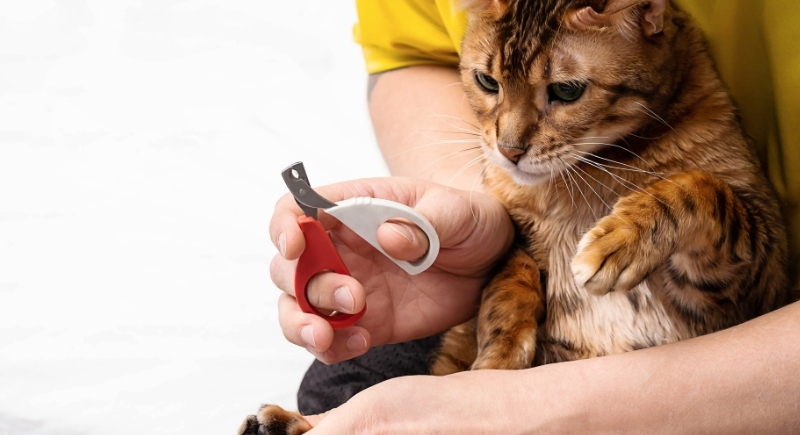
Credit: Canva
The sound of “trim” along with a drawer opening can sometimes send a cat sprinting out of a room, especially if nail trims usually follow. Many cats remember restraint more than the trim itself. When paw handling occurs only during grooming, the experience feels sudden and intense, which can lead to anticipation stress building over time.
Here Kitty
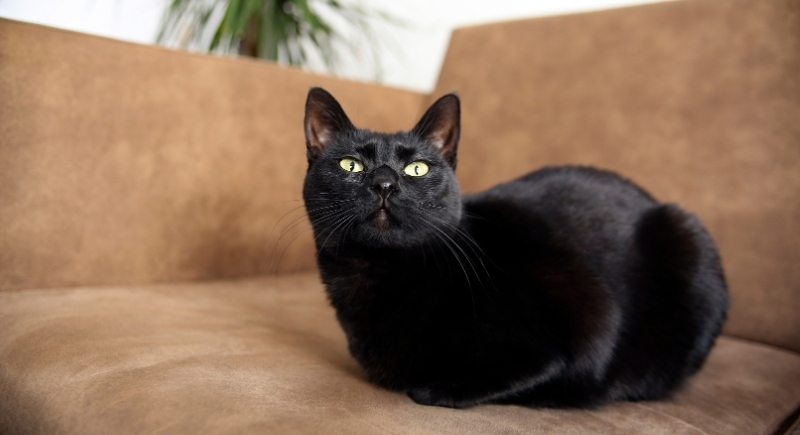
Credit: Getty Images
A cat hearing its name from across a room often checks who is calling before deciding whether to respond. When strangers use the same calling phrases owners use, cats can read it as unfamiliar social pressure. Voice tone, posture, and movement speed usually matter more to cats than the actual words spoken.
Bath
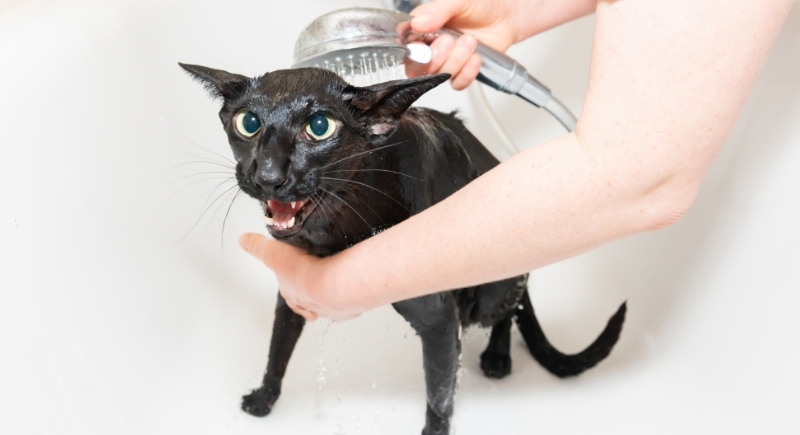
Credit: Canva
In many homes, bath time usually follows a chain of events cats learn to recognize, like bathroom doors closing, running water starting, or owners pulling out specific bottles. Even before contact with water, cats often shift into alert mode because past experiences have taught them that this routine ends in restraint and unfamiliar handling.
Change
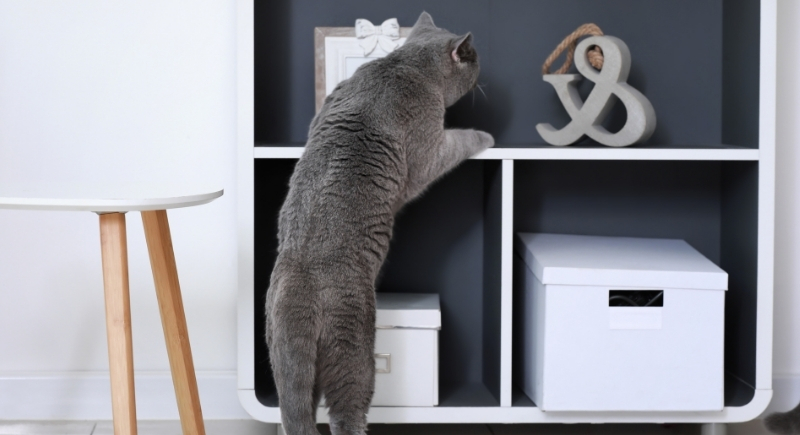
Credit: Canva
Cats build mental maps of homes based on scent trails, walking paths, and the placement of objects. When furniture gets rearranged, or new items arrive, cats sometimes pause at doorways or re-check corners they used to pass quickly. The hesitation is their version of navigation, like re-learning streets after construction changes traffic patterns.
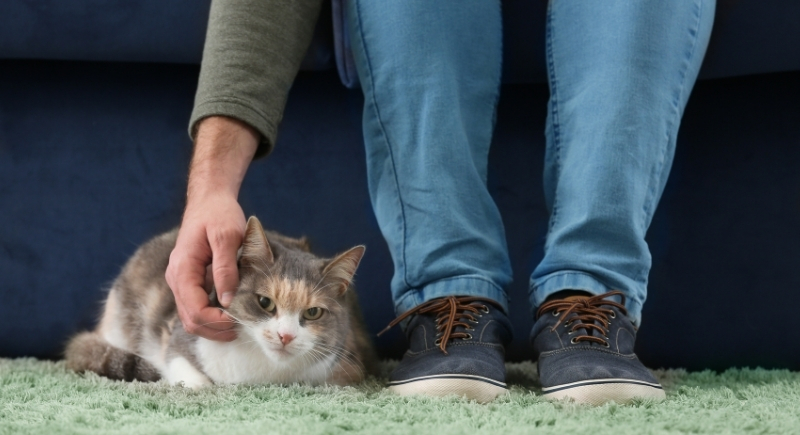
Stranger
Credit: Canva
When someone new enters a home, cats often start collecting information before deciding how close to get. They track movement speed, voice volume, and how the person interacts with their owner. Some cats stay visible but distant, while others temporarily relocate until the new presence feels predictable and safe.