10 Animals That Served Critical Roles in World War II
When we think of World War II, we picture warships, tanks, and aircraft. The war also relied on something else: animals. They stepped in where machines struggled or failed. Animals carried messages, hauled supplies across rough terrain, guarded camps, and helped locate survivors after air raids. For many soldiers, they also offered comfort during long deployments. Their role remains one of the most fascinating and deeply human stories connected to WWII.
Carrier Pigeons
Credit: Canva
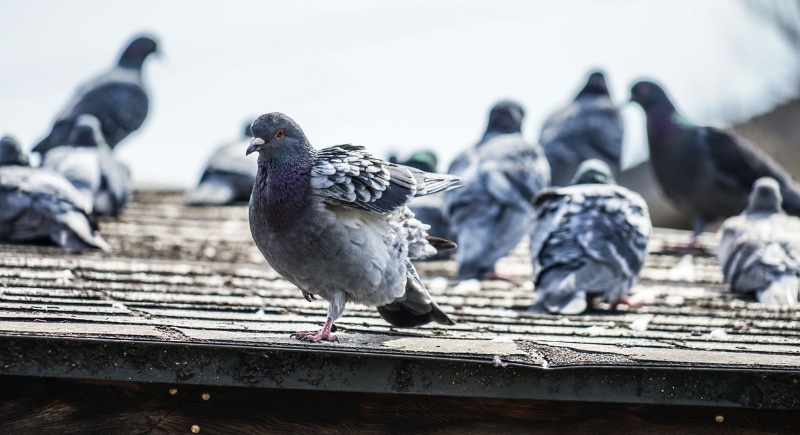
During WWII, thousands of carrier pigeons carried messages when radios broke down or signals could not travel. Britain alone used more than 200,000 birds through the National Pigeon Service. A pigeon named Gustav became famous after flying about 150 miles on D-Day to deliver the first confirmed report that Allied troops had landed successfully on the beaches of Normandy.
War Dogs
Credit: Wikimedia Commons
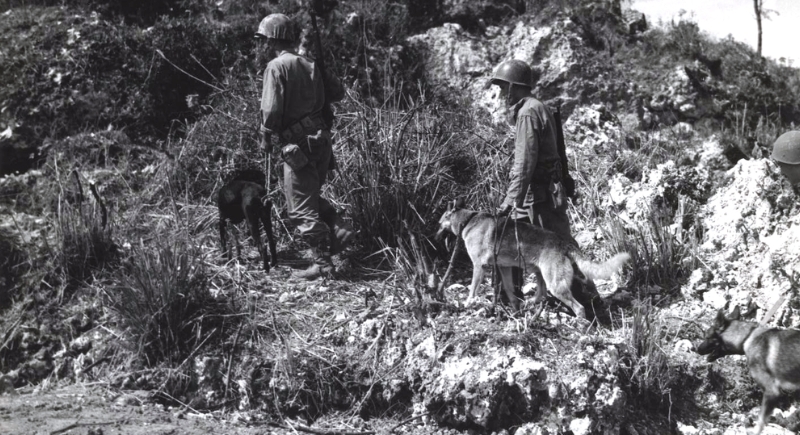
Planners quickly realized that dogs could handle jobs that humans struggled with in darkness or dense terrain. Their hearing and sense of smell gave early warning of approaching troops long before guards noticed anything. The United States trained roughly 20,000 dogs during WWII. Many guarded bases at night.
Mules
Credit: Getty Images
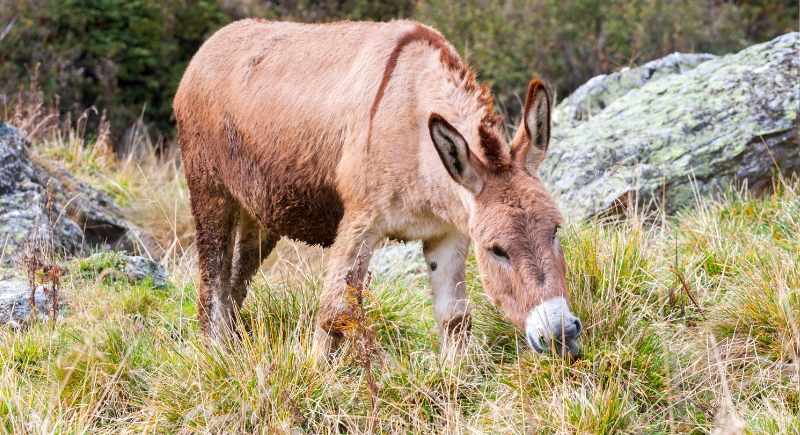
Supply lines determined how long troops could remain in the field. In mountainous regions, engines stalled, and roads often disappeared entirely. That’s where mules earned their reputation for reliability. These animals hauled ammunition crates, medical supplies, and rations through narrow trails that twisted along steep slopes. The British and Allied forces relied heavily on them in Burma.
Horses
Credit: Getty Images
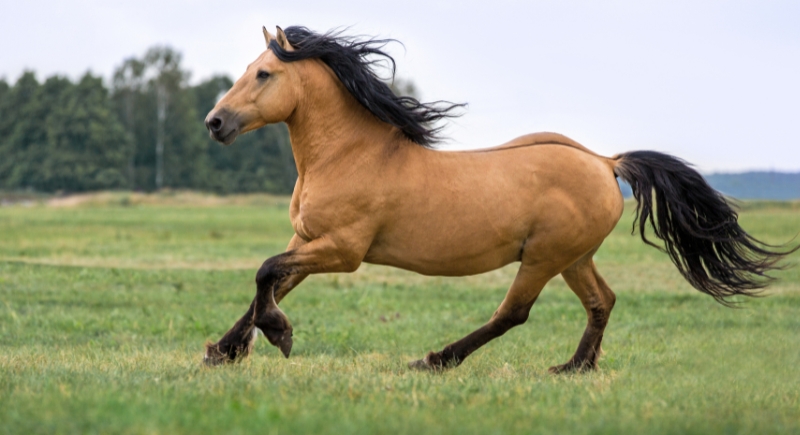
Horses still played an active part in operations during WWII. Many used mounted patrols in regions where engines struggled to operate. Officers rode horses to deliver messages and move quickly across countryside roads or forest paths. Resistance fighters also depended on horses to travel through mountainous regions where trucks could not pass.
Elephants
Credit: pexels
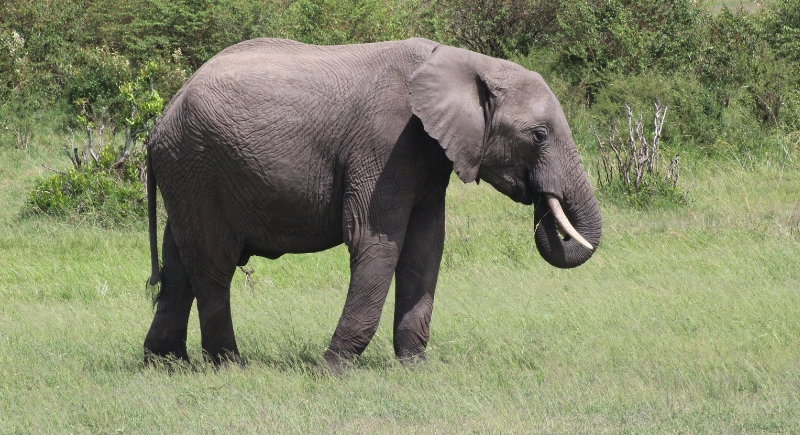
In Southeast Asia, elephants helped solve transportation problems in dense jungle regions. Their strength allowed them to move heavy equipment through muddy ground and thick forests. During the conflict in Burma, elephants carried supplies and helped transport people across difficult mountain passes.
Camels
Credit: Canva
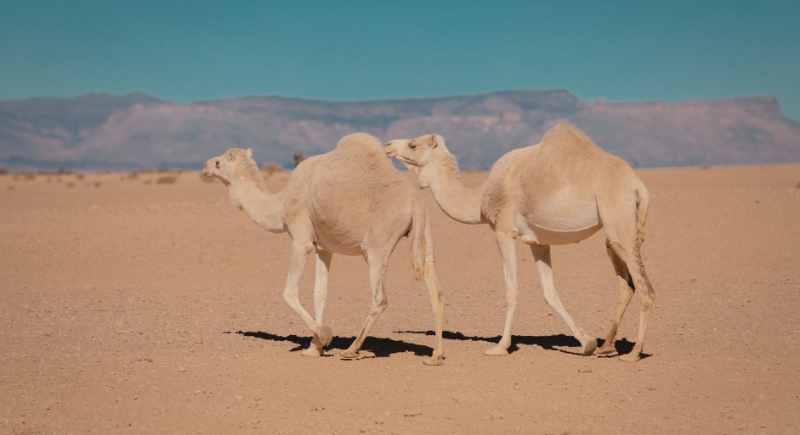
Desert chaos created its own transportation challenges, and camels handled those conditions better than almost any other animal. Their ability to travel long distances without water made them valuable for patrol units operating across North Africa and the Middle East. Groups such as the Sudan Defence Force used camel-mounted troops to patrol remote desert areas.
Ship Cats
Credit: pexels
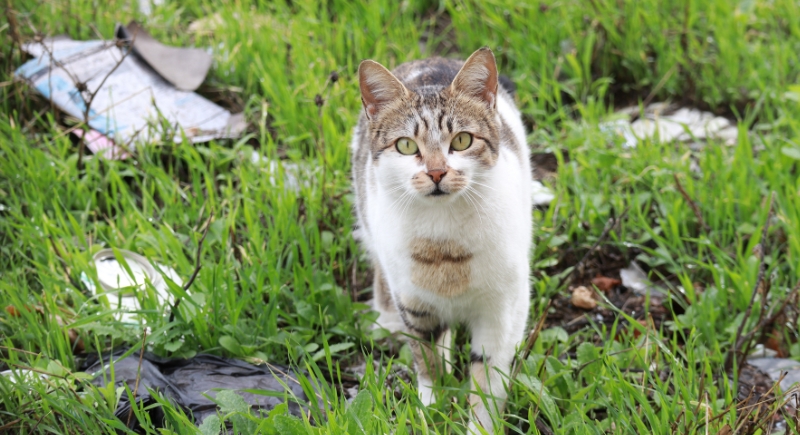
Life aboard naval ships often attracted rats and mice that could damage food supplies and chew through wiring. Cats offered a simple solution, so many vessels kept them as unofficial crew members to control the pests. One cat became especially famous during the war. After surviving three different ship sinkings, sailors gave him the nickname Unsinkable Sam. Following those close calls, he eventually retired to a quiet office in Gibraltar.
Rescue Dogs During The Blitz
Credit: Canva
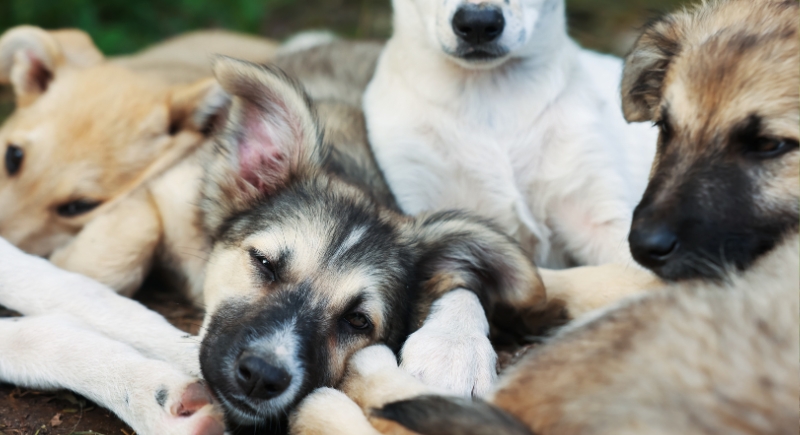
German raids across Britain left many buildings reduced to rubble. Rescue teams worked around the clock to find survivors buried under collapsed structures. Dogs played a vital role in these search efforts. A stray dog named Rip became well known in London after helping locate more than one hundred trapped people.
Wojtek The Soldier Bear
Credit: Wikimedia Commons
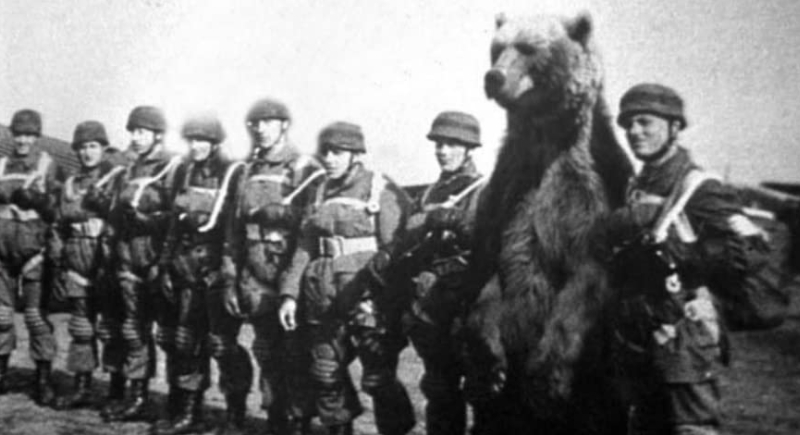
A young Syrian brown bear joined Polish soldiers during their long journey through the Middle East. They named him Wojtek and raised him around the camp like an oversized pet. Wojtek followed the unit into Italy and became known for helping move heavy artillery shells during the fighting at Monte Cassino.
Smoky The Tiny War Dog
Credit: Wikimedia Commons
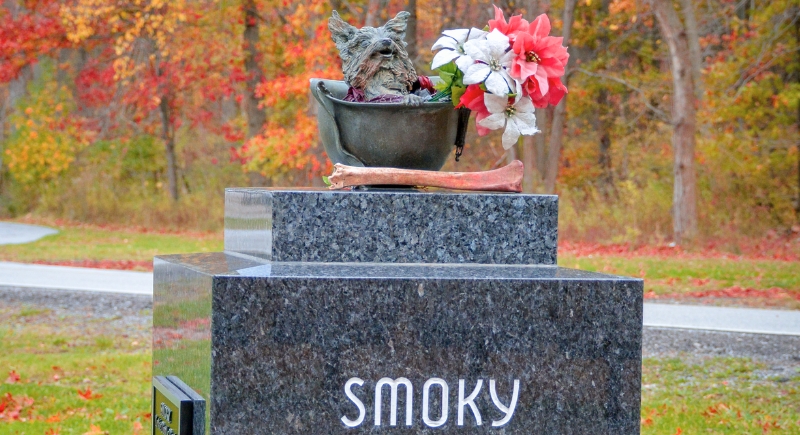
One of the smallest animals to assist Allied troops stood barely a foot long. Smoky, a Yorkshire Terrier found in New Guinea, soon became part of an American unit. She traveled on combat flights and survived more than 150 air raids. Engineers once used Smoky to pull a telegraph wire through a narrow pipe, finishing a job in minutes that otherwise might have taken several days.