The Saddest Zoos in the World That Need Better Conditions
Most of us have been to a zoo at some point, usually as a school trip or a day out with family. Everything looks organized, and it is easy to assume the animals are well cared for. That image does not always hold up. Some zoos operate with poor enclosures, constant disturbance, and a focus on entertainment over welfare, which shapes how these animals live every single day.
African Lion Safari – Ontario, Canada
Credit: Facebook
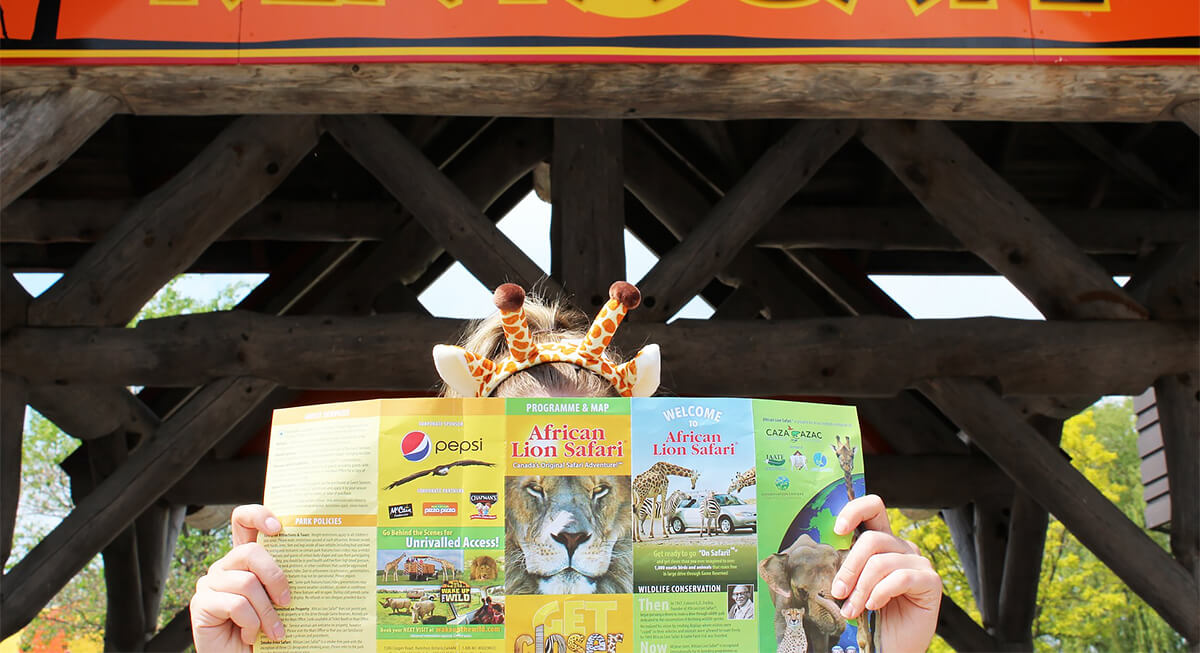
Visitors to African Lion Safari often see elephants performing routines or carrying people on guided rides. These attractions draw crowds, but they raise concerns about how the animals are trained and used. Elephants rely on strong social bonds and wide spaces to move freely, yet repeated routines and limited environments restrict those basic needs and affect their overall well-being.
Jungle Cat World – Ontario, Canada
Credit: Facebook
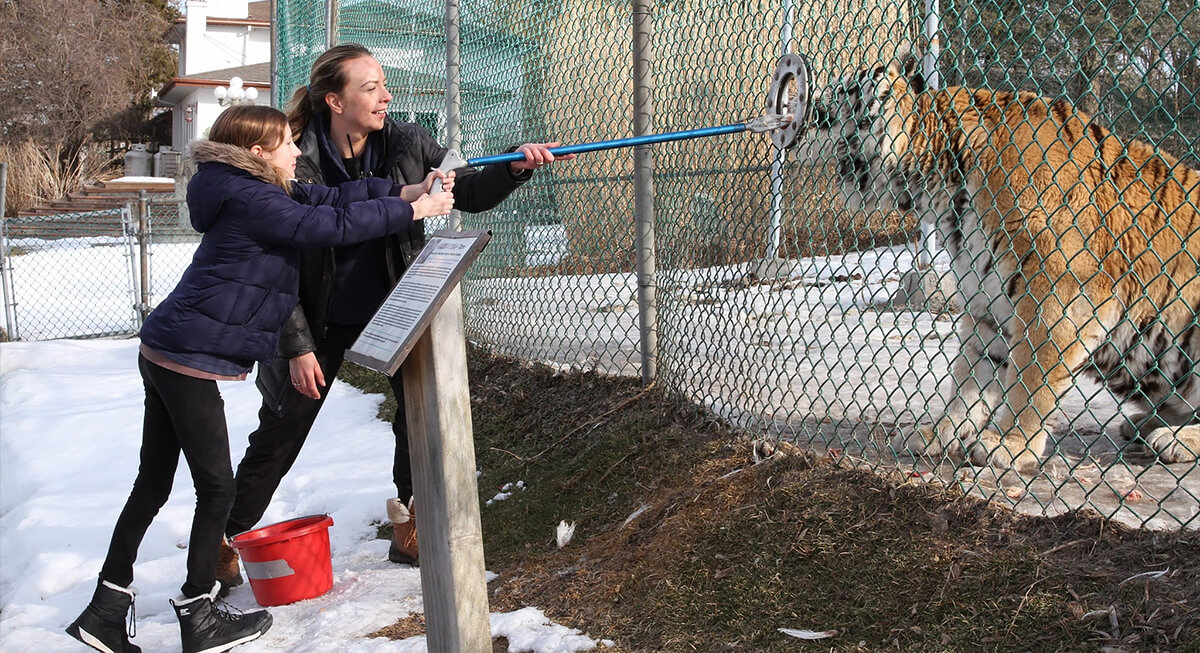
Jungle Cat World in Ontario allows frequent, close interaction between visitors and animals, keeping them exposed for much of the day. This setup may feel engaging, but it places constant pressure on the animals. Noise and repeated contact can disrupt natural behavior and raise stress levels over time, especially for species that depend on space, routine, and minimal disturbance to function normally.
Kabul Zoo – Kabul, Afghanistan
Credit: Pacific Standard
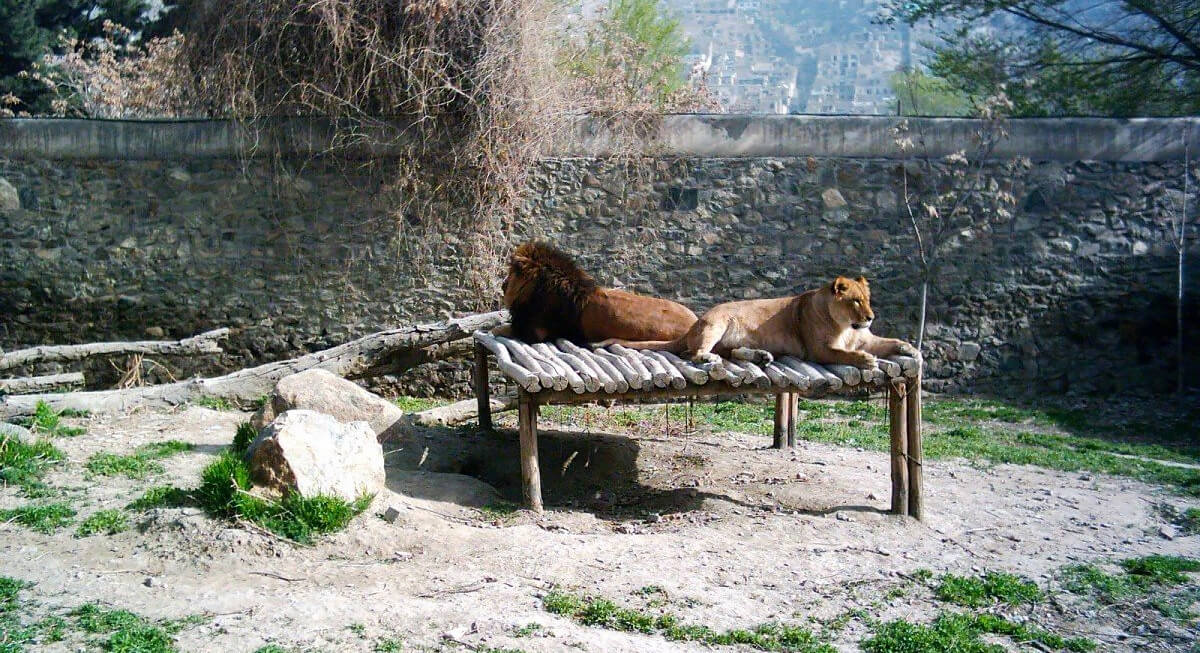
Though support from international zoos and animal welfare groups has helped provide veterinary aid, food supplies, and partial enclosure repairs, Kabul Zoo still faces deep-rooted challenges. It once held hundreds of creatures, yet conflict damaged the infrastructure and reduced the resources available for care. Staff continue working in a difficult environment, mostly with scarce supplies.
Gaza Zoo – Gaza, Palestine
Credit: Al Jazeera
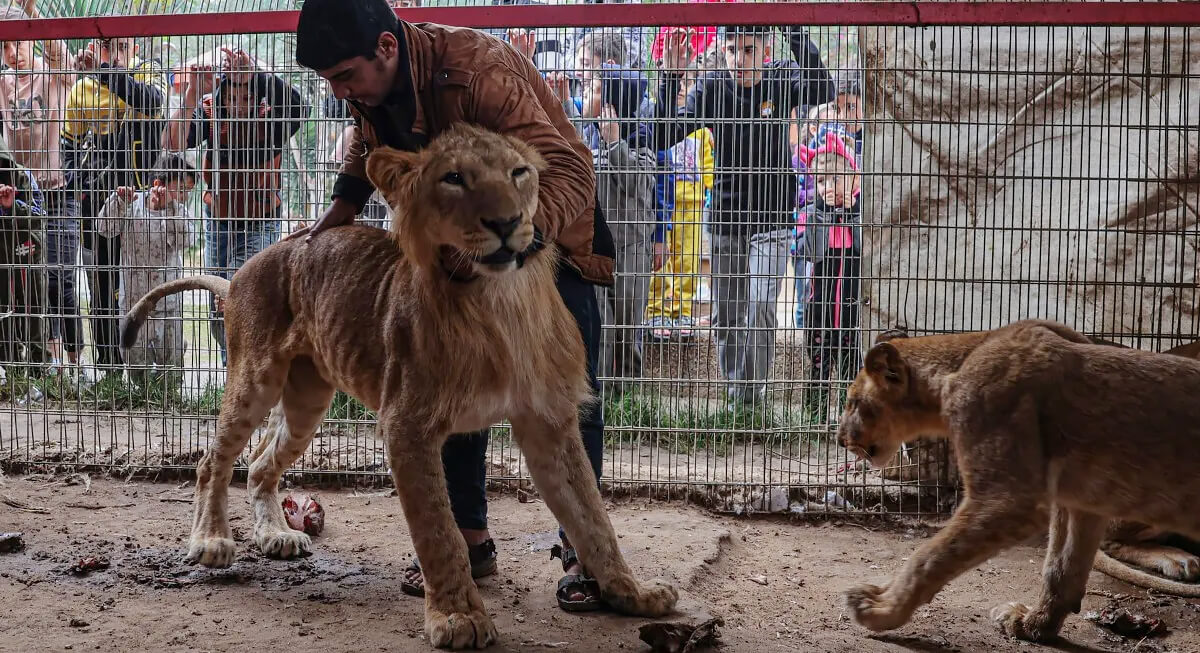
Economic hardship and combats have influenced how this zoo operates today. Gaza Zoo houses a small collection of wildlife, many of which live with limited resources available for appropriate care. A well-known incident involved a zebra that lost its life in a conflict, prompting staff to paint stripes on donkeys as replacements.
Giza Zoo – Cairo, Egypt
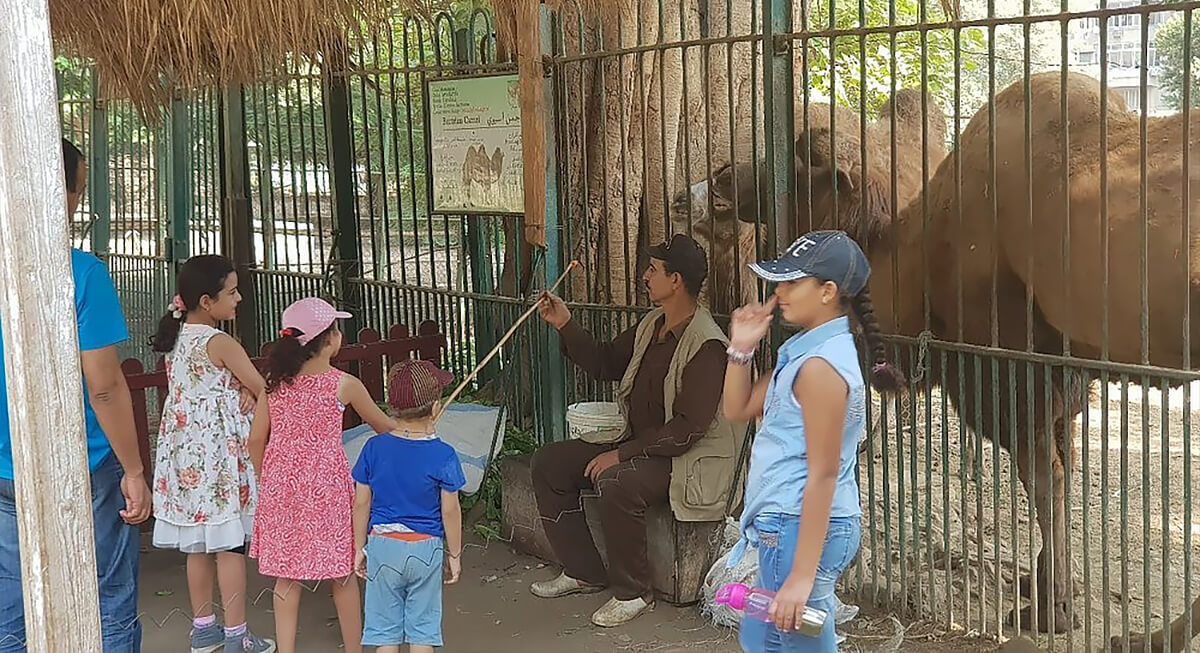
Credit: Tripadvisor
Once considered a leading facility in its region, Giza Zoo lost its membership in a major global association after failing inspections. Reports describe unauthorized access to various species and weak enforcement of safety rules. Disease outbreaks and controversial decisions, including the casualties of animals during health scares, have raised concerns.
Mumbai Zoo – Mumbai, India
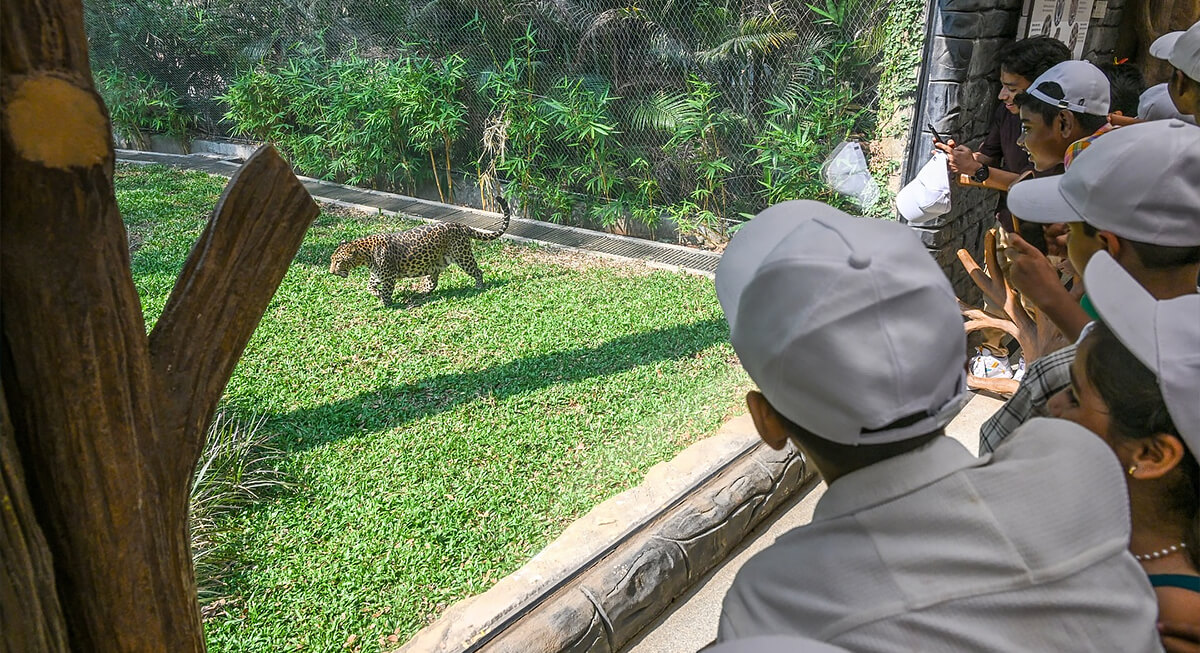
Credit: Facebook
Mumbai Zoo is known for its large and varied collection and once housed hundreds of animals across many species. Many enclosures now fall short of basic welfare standards and leave animals in cramped and aging spaces. These conditions led authorities to stop bringing in new animals and reflect ongoing concerns about space, maintenance, and overall living conditions.
Tirana Zoo – Tirana, Albania
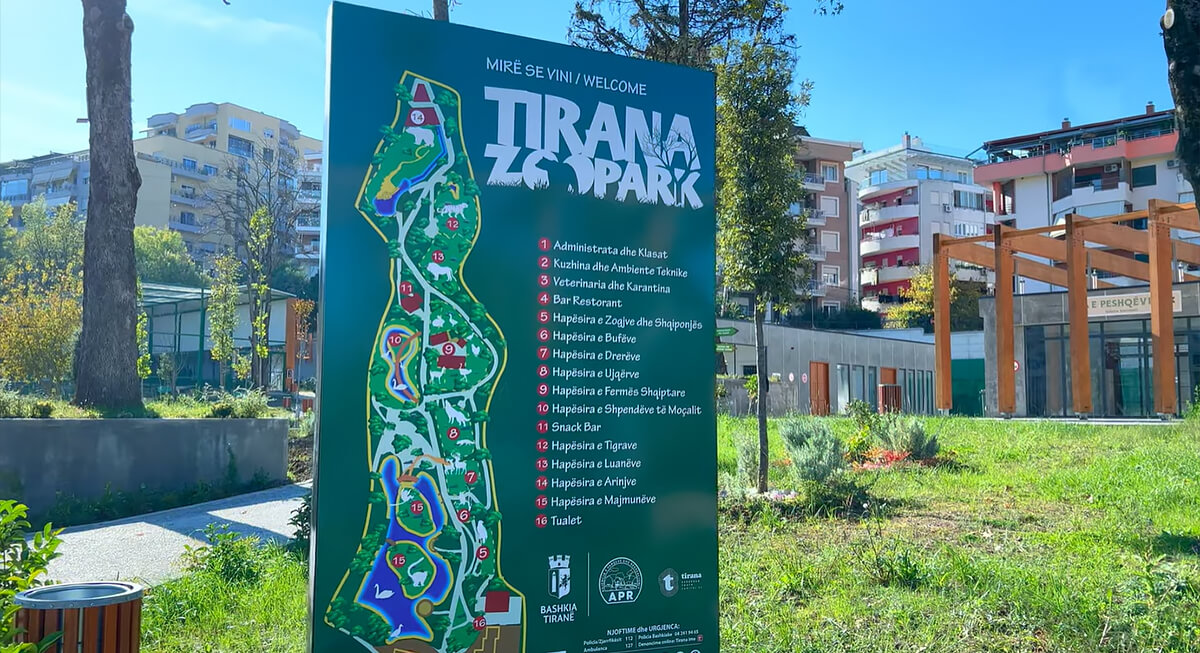
Credit: Youtube
Tirana Zoo operates with limited funding and staff shortages, which affects how animals are housed and cared for. Many enclosures remain small and lack variation, leaving little room for movement or stimulation. Current conditions fall short of basic welfare standards, and improvements in habitat space, staff training, and visitor management are needed to support healthier living environments.
Pyongyang Central Zoo – Pyongyang, North Korea
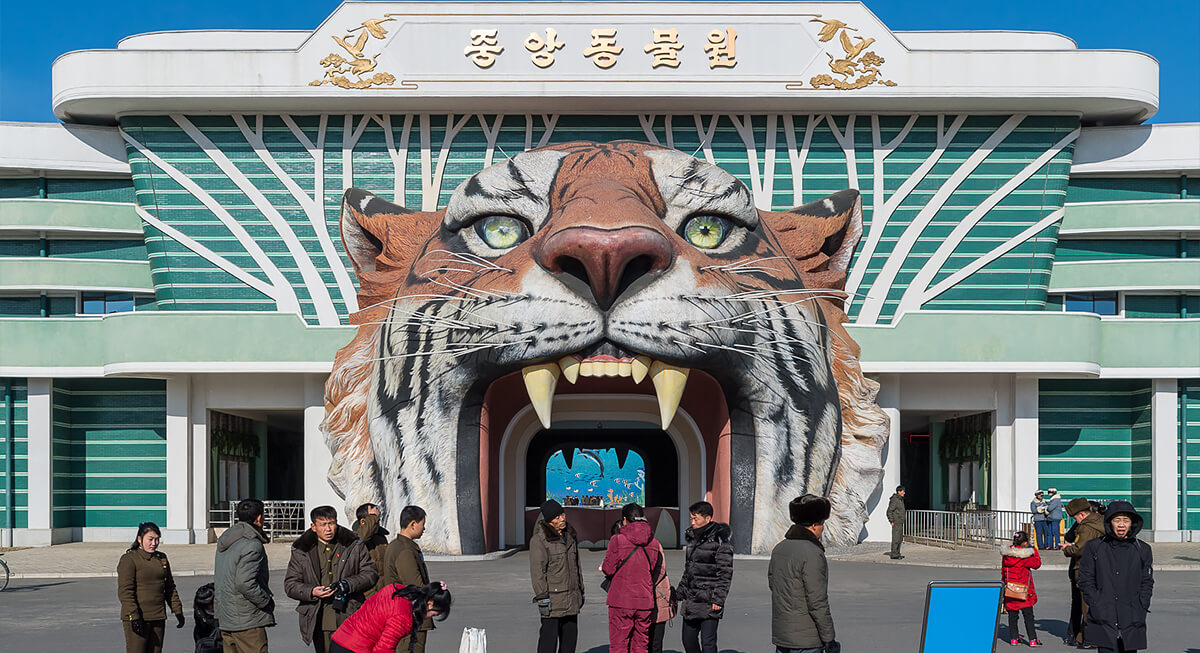
Credit: Wikipedia
The use of animals in staged performances has frequently raised serious ethical questions about management priorities at the Pyongyang Central Zoo. The facility houses thousands of creatures, yet reports suggest some were involved in filmed fights presented as wildlife content. Meaningful improvements would require ending such practices and placing consistent focus on proper animal care standards.
Bandung Zoo – Bandung, Indonesia
Credit: Wikipedia
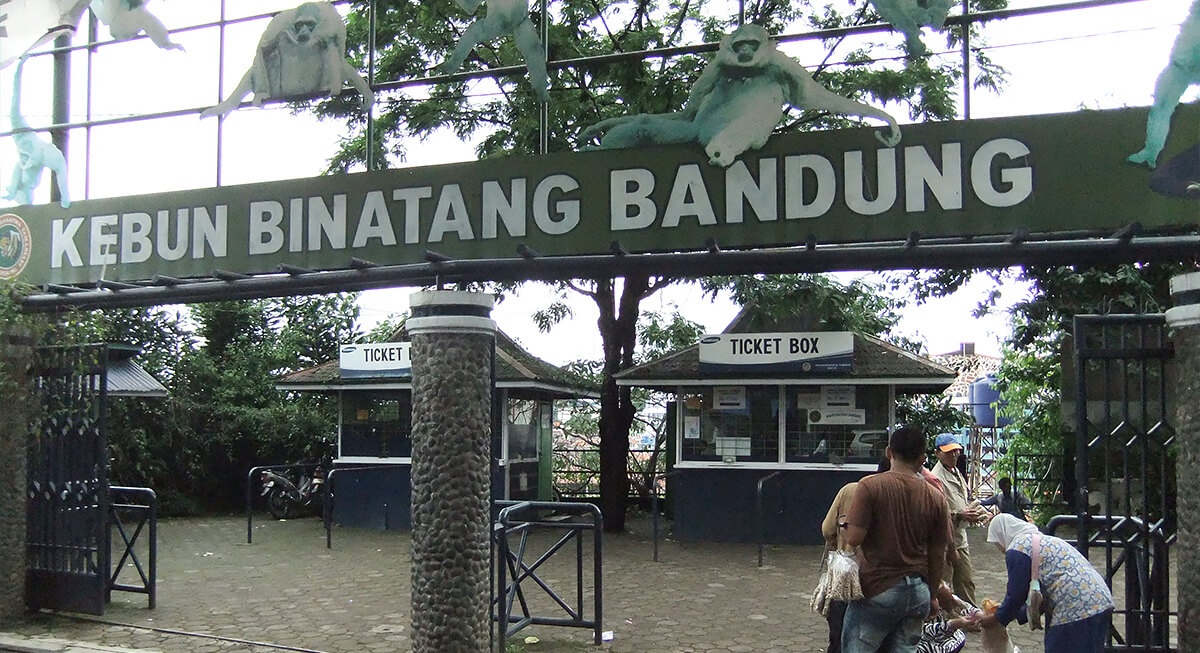
Bandung Zoo gained attention after videos showed animals displaying clear signs of distress. In widely shared clips, sun bears stood upright for long periods and reached toward visitors for food. Some were seen eating their own feces, a behavior linked to stress and poor conditions. These scenes pointed to deeper problems in care, supervision, and enclosure quality, leading to strong public criticism and calls for reform.
Surabaya Zoo – Surabaya, Indonesia
Credit: Facebook
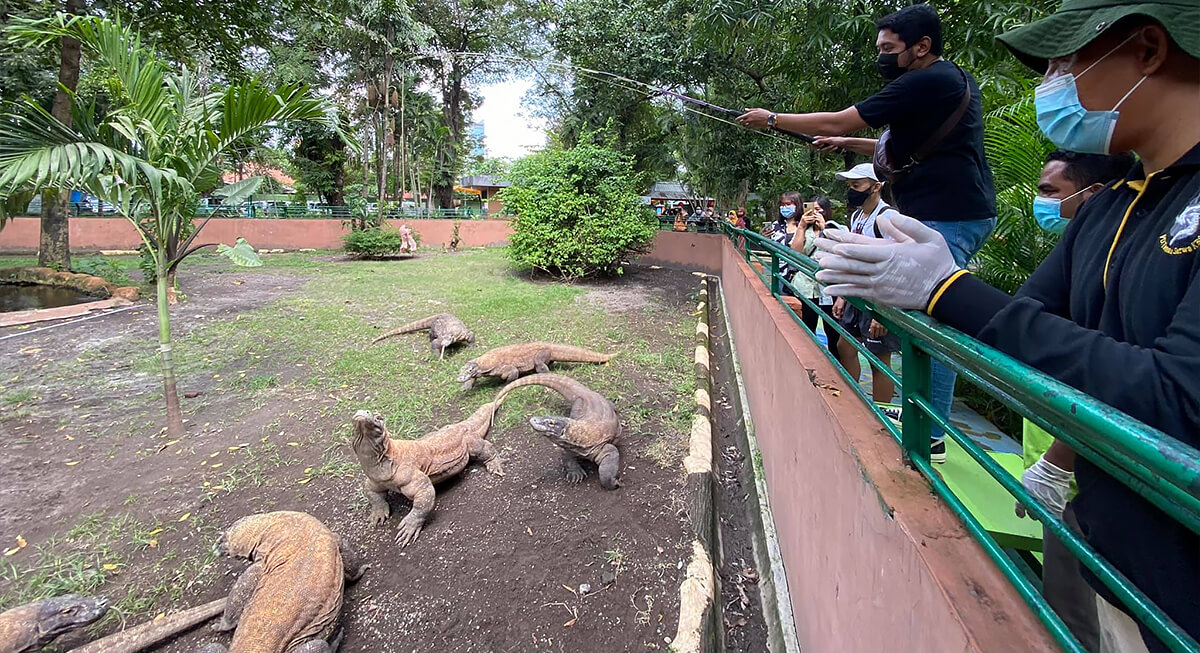
Surabaya Zoo has faced strong criticism over poor maintenance and limited oversight of its enclosures. One widely reported case involved a giraffe that died with plastic in its stomach, raising concerns about waste control and supervision. Other animal deaths have also been linked to preventable issues, which points to ongoing problems in management and basic care standards.