The 10 Worst Zoos for Elephants According to Reports
Reports from animal welfare groups show that elephants in zoos often die decades earlier than those in the wild. The problem is not a single bad enclosure or one careless year. It is a system that keeps animals designed to walk up to 30 miles a day inside spaces that shrink their world to a fraction of its natural size. Based on documented breeding records, calf deaths, health outcomes, and long-term welfare concerns, these zoos are repeatedly cited as the worst places for elephants.
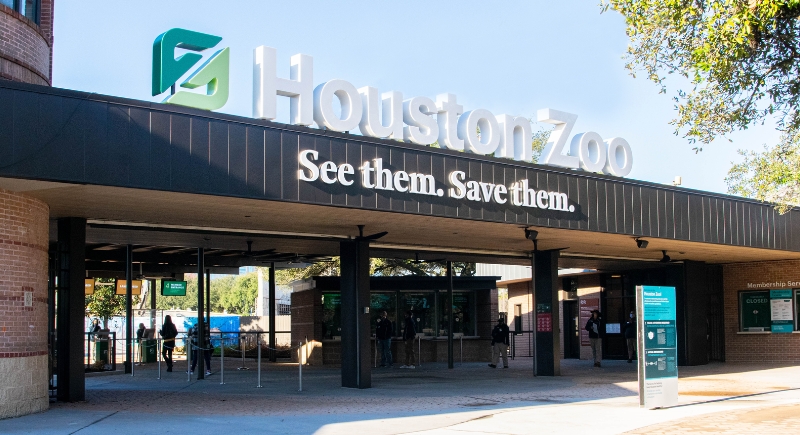
Houston Zoo
Credit: Wikimedia Commons
This facility has recorded 25 Asian elephant births, with 17 calves dying young, which is one of the worst survival records among accredited zoos. Since 1980, breeding has centered on one bull, Thai, who sired 21 calves, most of whom did not survive. Six calves died from elephant endotheliotropic herpesvirus, yet breeding continued for research purposes.
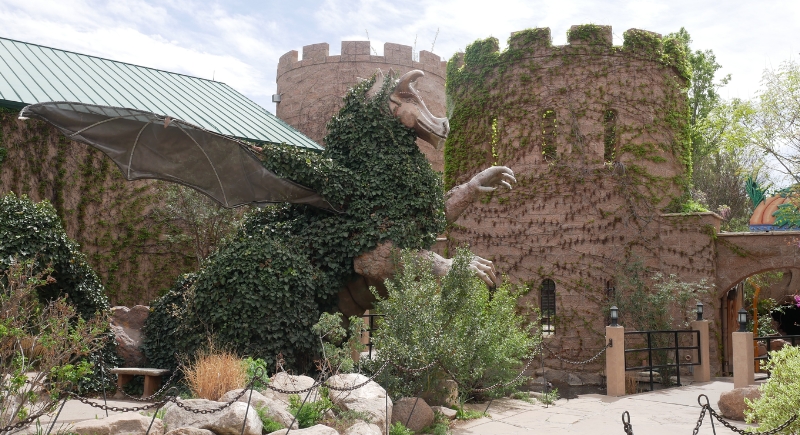
ABQ BioPark
Credit: Wikimedia Commons
ABQ BioPark has repeatedly bred one female, even though all four of her calves died, three of them from Elephant Endotheliotropic Herpesviruses (EEHV). Officials described the death of a calf as painful because she was expected to breed, which revealed priorities tied to reproduction. Another elephant is kept largely isolated, and transfers between zoos have added stress linked to early death.
African Lion Safari
Credit: Yelp
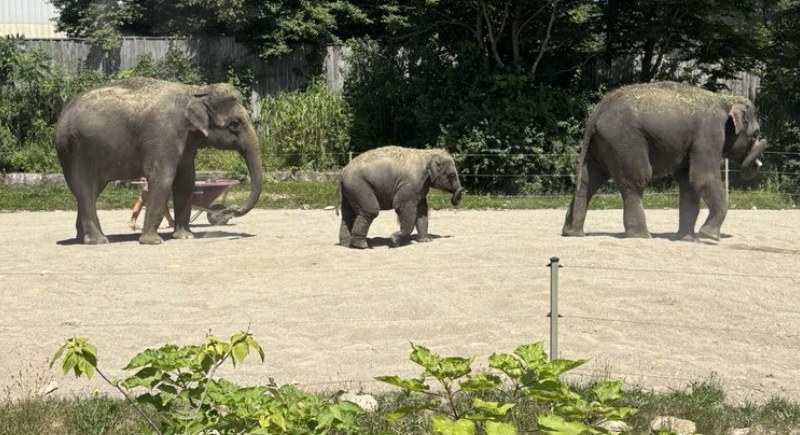
Having the largest group of Asian elephants in North America has not improved outcomes. Nearly every calf born since 2014 was fathered by the same male, narrowing genetic diversity. Females have been bred again within a year of giving birth, instead of the four to six years seen in the wild. More than 25 elephants have also been relocated.
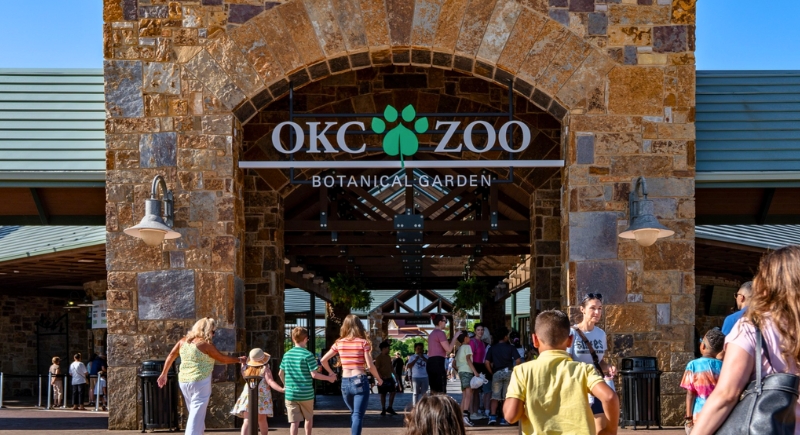
Oklahoma City Zoo & Botanical Garden
Credit: Facebook
Early breeding is common here, including a female giving birth at age 10. Multiple calves have also died from EEHV or were stillborn, yet pregnancies continued with minimal recovery time. Elephants have been moved in and out of the collection for breeding purposes, disrupting social bonds that normally last decades.
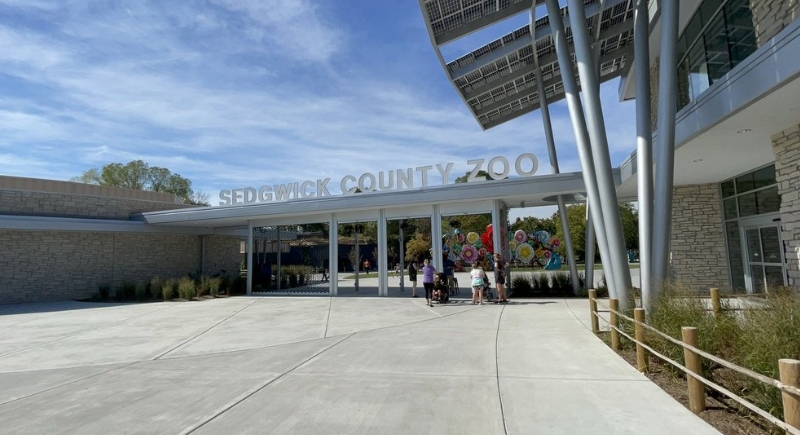
Sedgwick County Zoo
Credit: Yelp
A surge of five African elephant births in six months during 2025 turned this zoo into a case study in breeding for attendance. The mothers came from the “Stolen 18,” elephants taken from Africa in 2016. The same bull has been used across multiple zoos, limiting genetic diversity. Former leadership openly tied elephant births to ticket sales, a statement that aligns with the zoo’s aggressive breeding schedule.
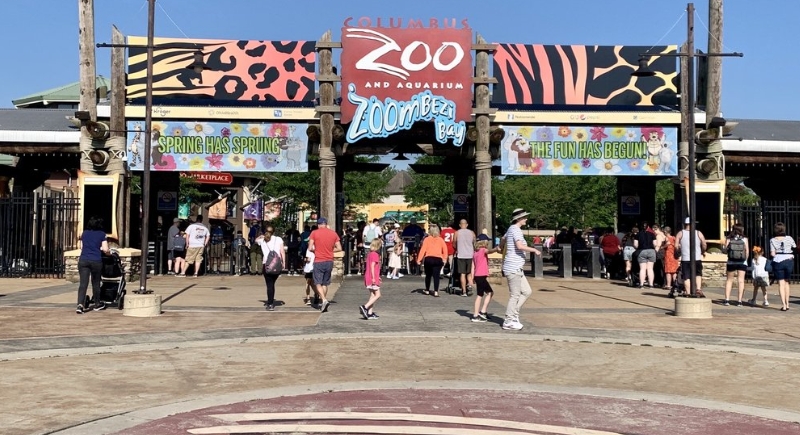
Columbus Zoo & Aquarium
Credit: Yelp
Every elephant birth here has been promoted as a milestone, despite repeated calf losses. One female has been bred on a cycle of two to three years between pregnancies, far faster than wild norms. Several calves died from EEHV, yet breeding continued, followed by fundraising for virus research. Reports show elephants living in confined spaces with limited behavioral choice.
Omaha’s Henry Doorly Zoo & Aquarium
Credit: Yelp
After spending $73 million on a new elephant complex, breeding accelerated quickly. Five calves were born in just over two years, including one to a female who gave birth at 11 years old. Male elephants are regularly transferred for breeding loans, a practice linked to higher mortality rates, according to research. A young bull died during a tusk procedure, highlighting how medical risks compound captivity stress.
Tulsa Zoo
Credit: Wikimedia Commons
Seven elephants here show advanced signs of zoochosis, including bobbing and swaying. Bulls are rotated through small holding areas because they cannot be safely co-housed. Past breeding attempts resulted in calves dying from EEHV, and some adults have been moved through several facilities before arriving, a pattern associated with chronic stress.
Denver Zoo
Credit: Wikimedia Commons
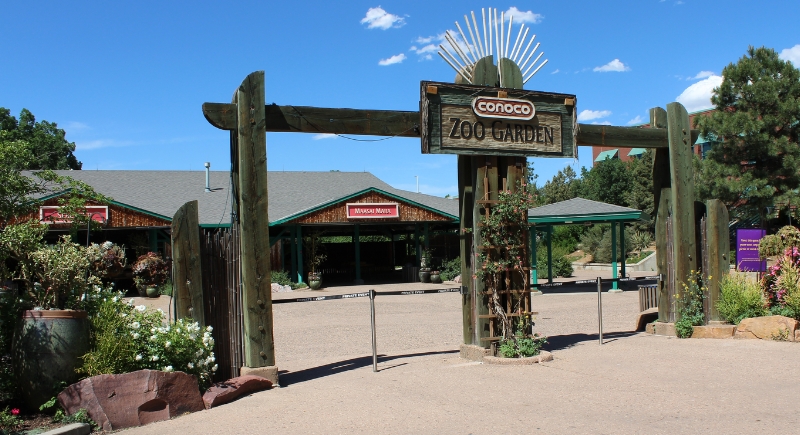
Confining Asian bull elephants in an all-male group used primarily for sperm collection is how the Denver Zoo operated. Semen from these bulls has produced calves at other facilities, many of whom later died. The oldest bull has sired seven calves, of which five died early. Observations show pacing along enclosure walls. That’s often a sign of frustration linked to a lack of stimulation and social choice.
Fresno Chaffee Zoo
Credit: Wikimedia Commons
This zoo previously earned the nickname “Zoo of Death” after multiple EEHV fatalities. Recent births involved closely related pairings, creating unnatural family structures. The enclosure has faced legal challenges over size and conditions, and records about breeding methods have not always been publicly available.