You’re Probably Using the Wrong Shampoo and Water Temperature: Bathing Blunders Groomers Avoid
Bathing a dog often gets treated as a quick rinse and scrub, but the way it is done directly affects the skin and coat. Professional groomers follow a more careful routine, adjusting water temperature, controlling pressure, and selecting shampoos that suit a dog’s specific needs. These steps help prevent irritation, dryness, and buildup. Getting the basics right keeps the process comfortable and leads to a cleaner, healthier result for your dog.
Using Human Shampoo Instead of Dog Shampoo
Credit: Canva
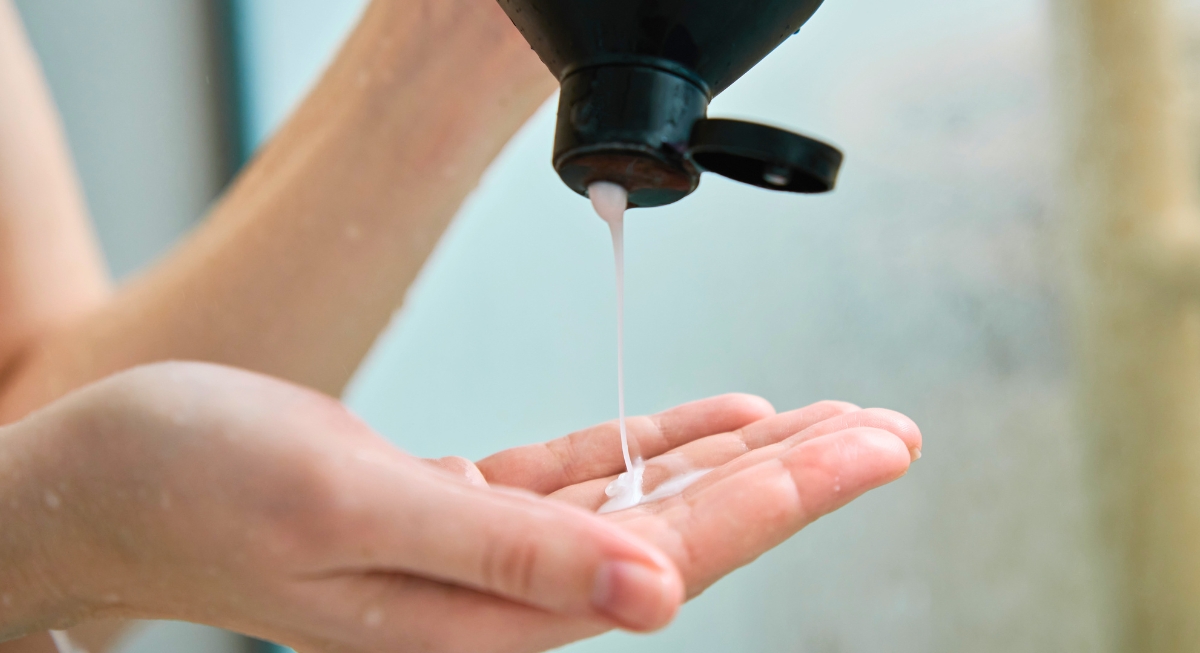
One of the most common mistakes is using human shampoo. Human skin and canine skin have very different pH balances, and products designed for people can strip the protective oils from a dog’s coat. Over time, this leads to dryness, itching, and dull fur. Groomers always use formulas designed specifically for dogs so the coat stays clean without disrupting the skin barrier.
Bathing Your Dog Too Often
Credit: Canva
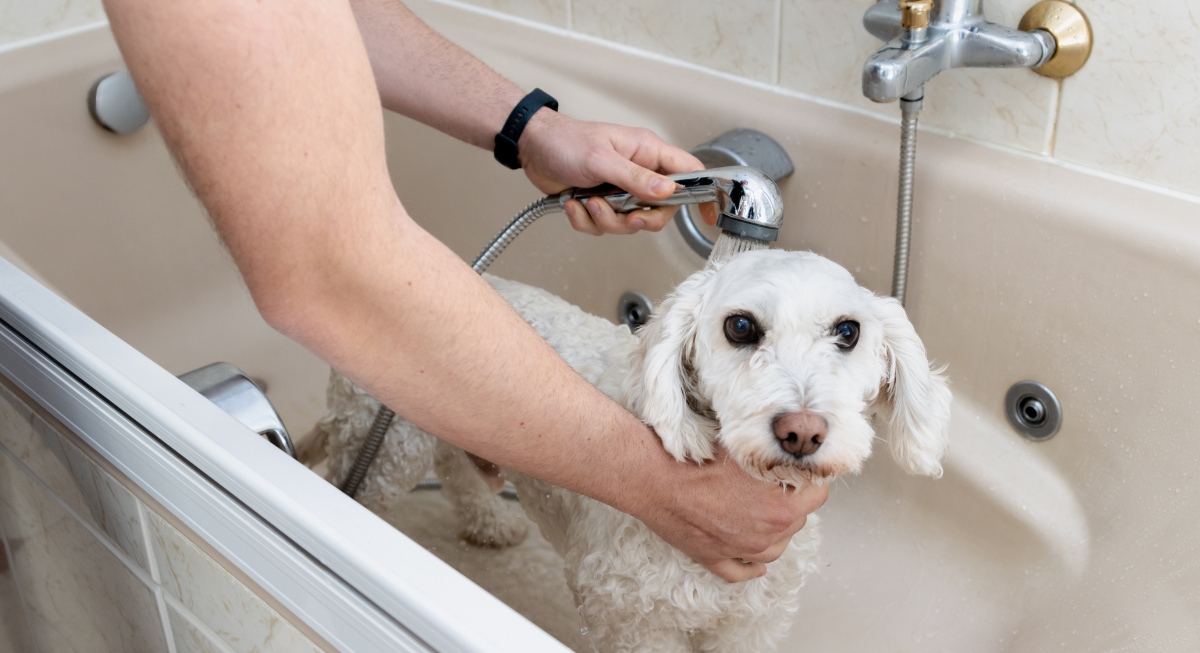
Many owners assume frequent baths mean better hygiene, but too much washing can damage the coat. Dogs naturally produce oils that keep their skin healthy and their fur resilient. Washing too often removes those oils, which can lead to dryness or irritation. Most dogs do well with baths every 3 to 4 weeks, though coat type and activity level can change that schedule.
Skipping Pre-Bath Brushing
Credit: Canva
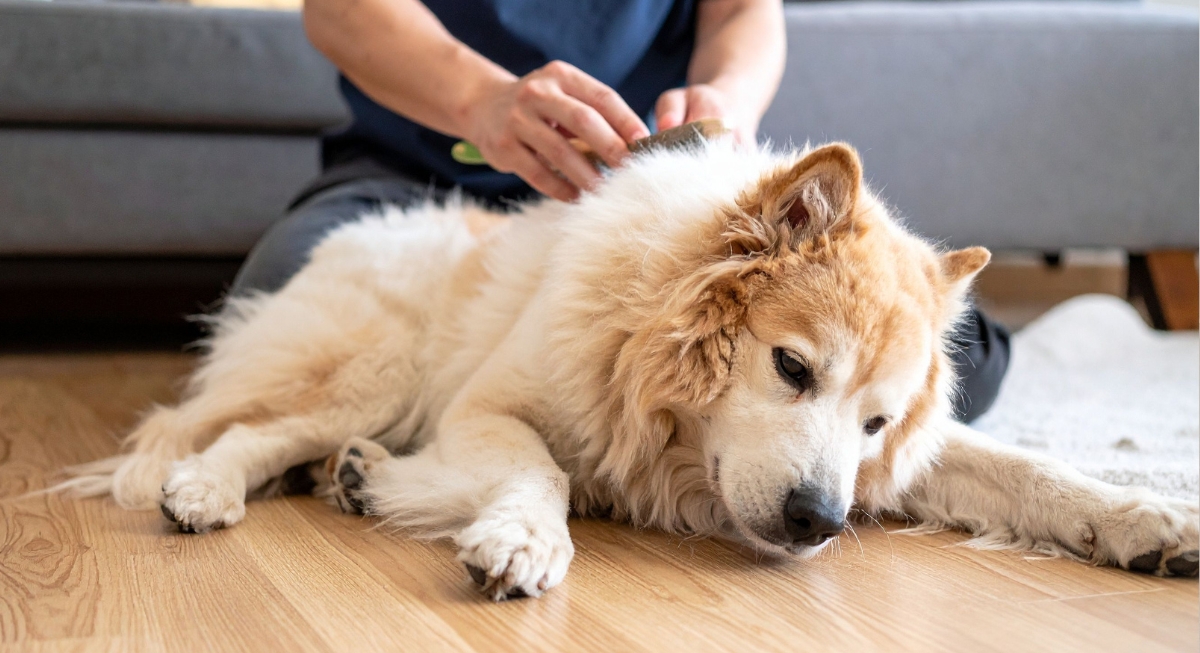
Professional groomers rarely place a dog directly into water without brushing first. Loose hair, tangles, and early mats should be removed before bathing because water tightens knots and makes them harder to fix. Saturated mats can trap moisture near the skin, increasing the risk of irritation. Brushing beforehand allows shampoo to reach the coat evenly and makes rinsing far easier.
Using Water That Is Too Hot or Too Cold
Credit: Getty Images
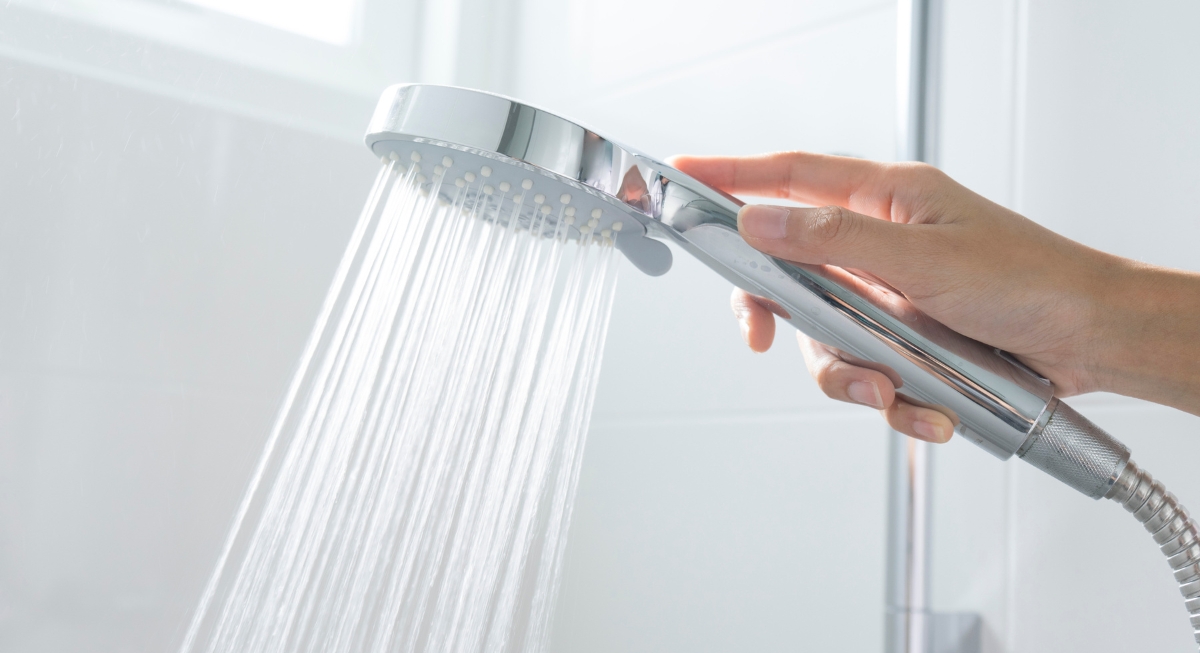
Water temperature matters more than many owners realize. Dogs have sensitive skin, and hot water can cause discomfort or dryness. Cold water can be equally stressful and may make the animal anxious during the bath. Groomers aim for lukewarm water, similar to what you would use when bathing a baby. Testing it on your forearm before spraying your dog is a common professional trick.
Applying Shampoo Without Working It Into the Coat
Credit: Getty Images
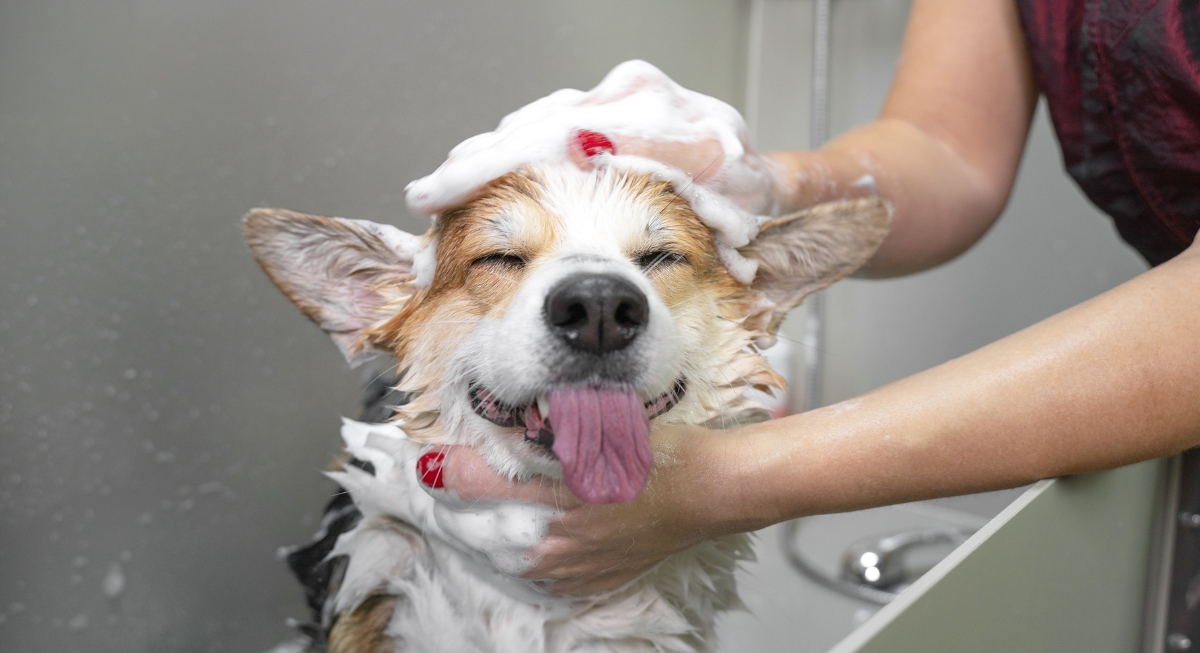
Simply pouring shampoo onto the fur rarely removes dirt effectively. Groomers actively massage the product through the coat so it lifts oils, debris, and odors from the hair. This agitation is what actually allows the shampoo to capture grime and carry it away when rinsed. Without this step, dirt can remain trapped close to the skin even after the bath.
Not Rinsing Thoroughly Enough
Credit: Getty Images
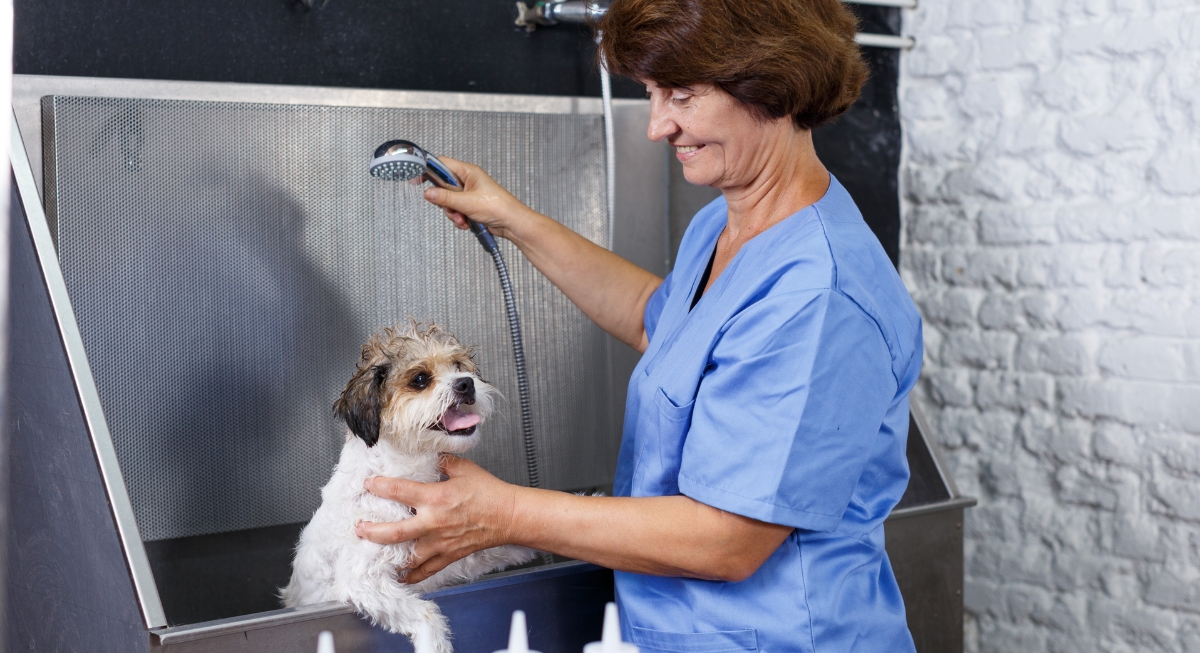
Leftover shampoo is a major cause of itching and flaky skin. Dogs with thick or double coats are especially prone to this problem because soap residue can hide deep in the fur. Groomers rinse until the water runs completely clear and often rinse again to be safe. Removing every trace of product prevents irritation and keeps the coat feeling soft rather than sticky or heavy.
Letting Water or Soap Get Into Sensitive Areas
Credit: Canva
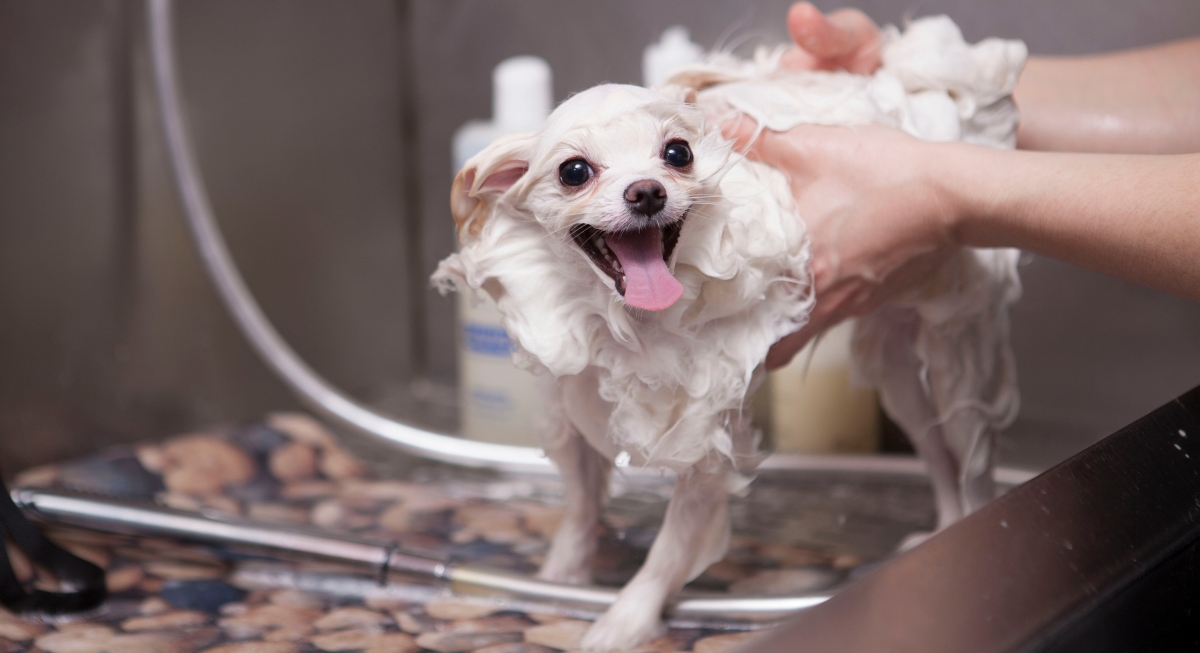
The face, eyes, and ears require extra care during a bath. Shampoo in the eyes causes immediate stinging, while water entering the ear canal can lead to infections. Professionals usually clean the face gently with a damp cloth or cotton pad rather than spraying it directly. They also angle the dog’s head downward during rinsing to keep water from flowing into the ears.
Using Water Pressure That Is Too Strong
Credit: Canva
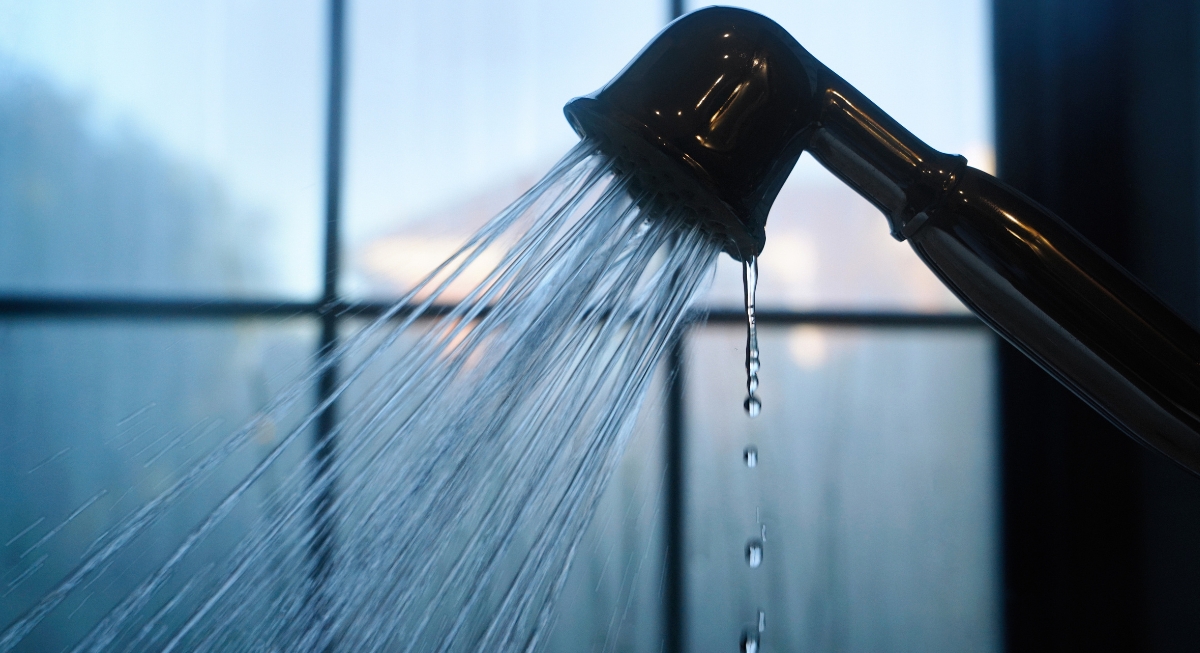
A powerful spray nozzle may make rinsing easier for you, but it can frighten many dogs. Strong water pressure can feel uncomfortable against the skin and turn bath time into a stressful experience. Groomers keep the flow gentle and controlled so the dog stays calm throughout the process. Reducing noise and pressure often prevents the anxious behavior many pets develop around baths.
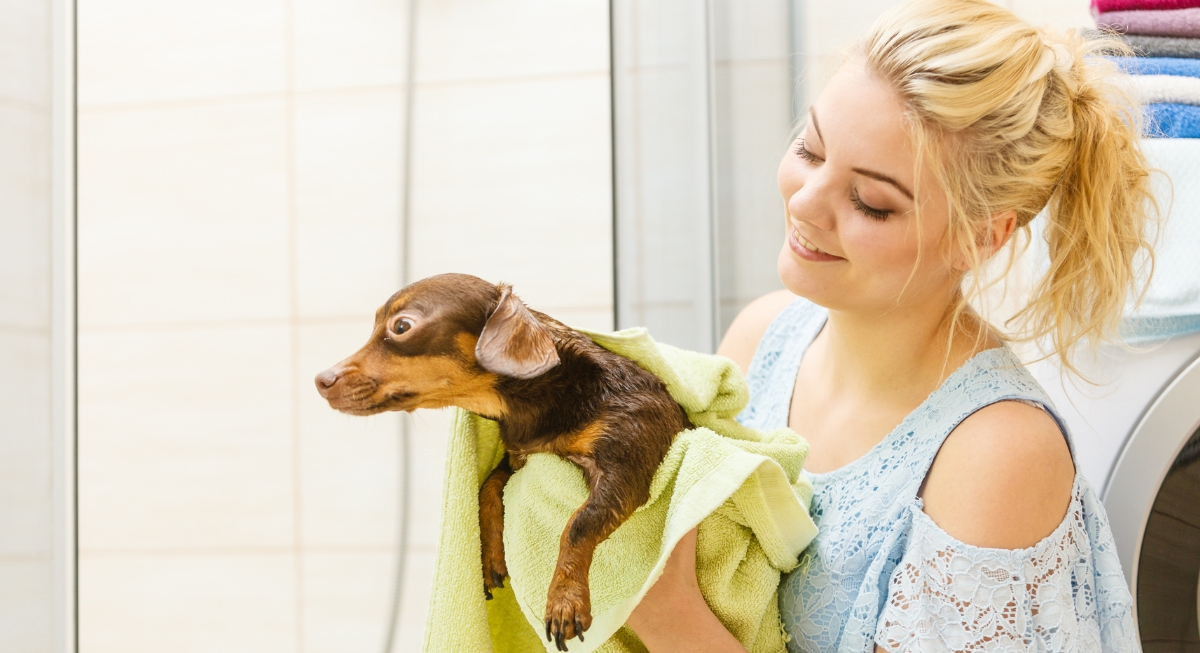
Drying the Coat Too Roughly or Incompletely
Credit: Getty Images
Drying is just as important as washing. Aggressive rubbing with a towel can tangle or break hair, while letting a dog air-dry may leave moisture trapped in dense coats. Damp fur creates the perfect environment for odor, bacteria, and skin irritation. Groomers usually blot excess water with towels and ensure the coat is mostly dry before brushing or allowing the dog to rest.
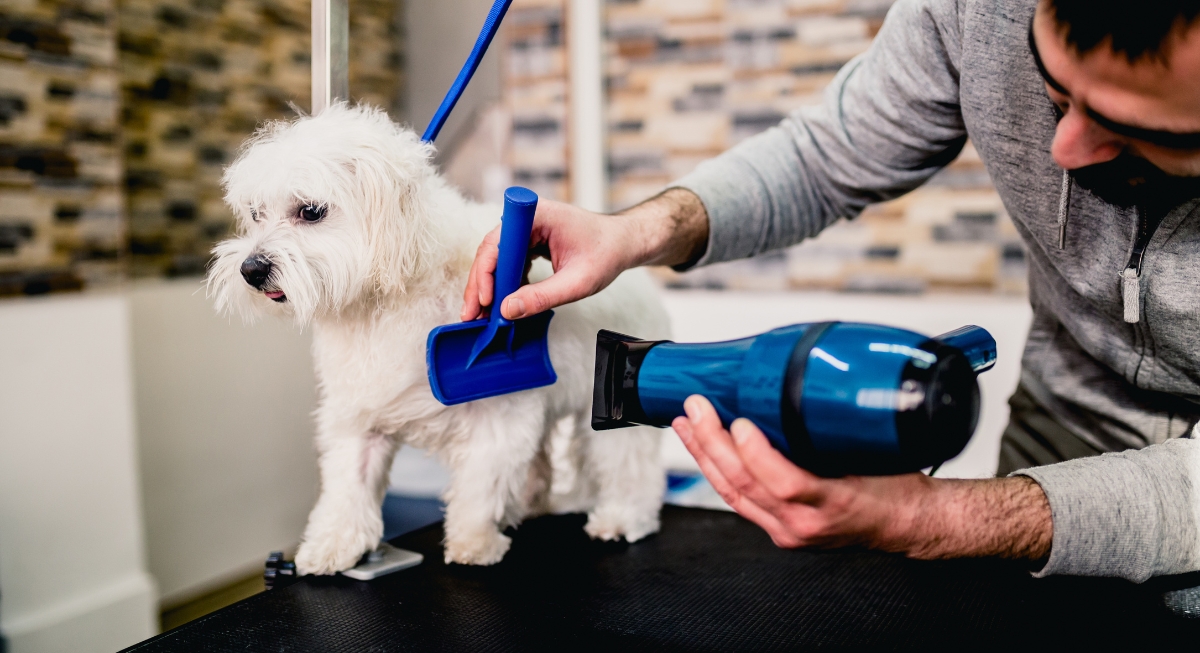
Ignoring Post-Bath Coat Care
Credit: Getty Images
A bath cleans the coat, but grooming doesn’t end when the water stops running. Without brushing or conditioning afterward, the coat may quickly become tangled or dry. Professional groomers often finish with leave-in conditioners or light detangling sprays to maintain hydration and smoothness. These finishing steps help keep the coat manageable until the next bath.