You Can Now Adopt Dogs Who Failed Police Training for Being Too Friendly
Police and detection programs look for dogs with very specific temperaments. Beyond strength and obedience, candidates must show sustained focus, restraint, and low interest in unfamiliar people. Every year, some dogs leave training not because they lack ability, but because their personalities do not align with the demands of police work.
Many of these dogs perform well in drills, follow commands reliably, and meet physical benchmarks. The issue arises when their social instincts take over. Dogs that remain highly friendly, seek interaction with strangers, or struggle to ignore people nearby are often released from training early. That same temperament, however, makes them ideal companions and has created an unexpected adoption pathway for people looking for exceptionally well-trained, people-oriented pets.
Why Friendly Dogs Get Cut
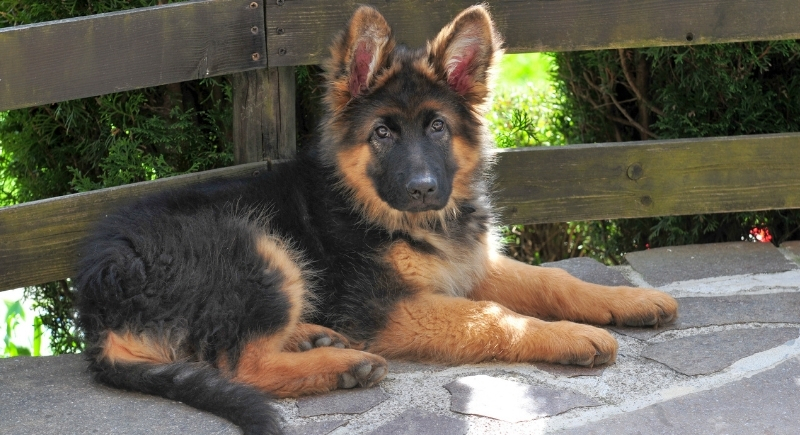
Image via Pixabay/WernerB
Police and detection dogs need controlled intensity. Trainers look for animals that bond closely with a handler and stay neutral with everyone else. Dogs that constantly seek attention, wag at unfamiliar faces, or lose focus around people struggle in these environments.
Friendliness creates problems during patrols, crowd work, and scent detection. A dog that wants to say hello to everyone misses cues and loses momentum. Programs move these dogs out early rather than forcing a role that does not suit their personality. The result is a pool of smart, social dogs with solid foundational training and nowhere official to land.
Where These Dogs End Up
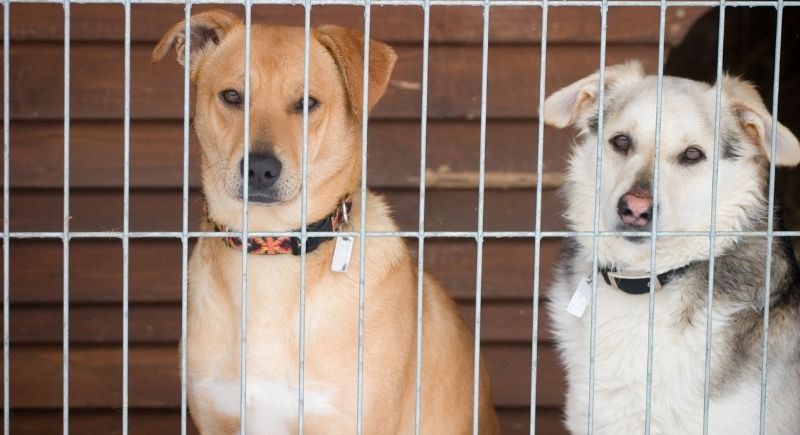
Image via Getty Images/epromocja
Several government and nonprofit programs now place these dogs with civilian families. One of the most well-known options is provided by the Transportation Security Administration. The agency operates a formal adoption program for dogs that did not complete detection training, as many of them are released from the program due to behavioral issues, such as excessive friendliness or high distractibility.
Adopters must apply, pass a screening process, and travel to San Antonio, Texas, where the dogs are located until they are placed. The adoption itself does not incur a fee, although travel costs are the responsibility of the adopter. Requirements include a stable living situation, proper fencing, and the ability to provide training and care.
Nonprofits also play a role. Mission K9 works with retired and rehomed working dogs, helping to match them with homes that understand their background. Other organizations focus on service-dog pipelines, where candidates exit training for similar temperament reasons and become available for adoption.
What Adopters Actually Get
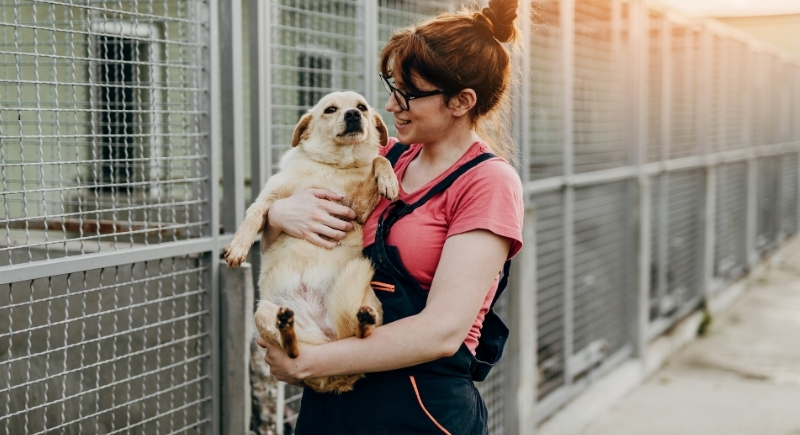
Image via Getty Images/Group4 Studio
These dogs arrive with advantages most shelter dogs never receive. Many already understand basic obedience, crate routines, leash manners, and structured schedules. They have spent months around trainers, handlers, and other dogs, which builds confidence and social awareness.
That background does not make them plug-and-play pets, but it does mean they learn quickly and respond well to consistency. Families often notice strong eye contact, fast command recognition, and a clear desire to work alongside humans. For active households, that combination can feel like hitting the adoption jackpot.
The Real Commitment Behind All This
Adopting one of these dogs requires preparation. Programs screen applicants carefully to avoid impulse placements. Expect questions about work schedules, exercise plans, and prior experience with dogs. Some dogs require ongoing training to transition from a structured work environment to a more relaxed home routine.
Exercise is important, but mental engagement is even more crucial. These dogs thrive on tasks, games, and regular interaction. Boredom creates frustration faster in a trained dog than in an untrained one. Families who enjoy walking, hiking, or participating in training classes often achieve the best results.
A dog can do everything right except one thing, and that one thing happens to be kindness. Programs have realized that releasing these dogs into the right homes serves everyone’s best interests. For adopters, the appeal goes beyond novelty. These dogs bring discipline without stiffness and affection without chaos. They may have missed the badge, but they rarely miss a chance to connect.