You Could Go to Jail for Disturbing a Wombat Burrow in Australia
Most people would not expect digging near a burrow to carry serious legal consequences. In Australia, though, a few recent incidents involving wombats changed that perception quickly. What seemed minor at first led to investigations, petitions signed by tens of thousands, and sharp debates inside government chambers. Some cases involved animals trapped underground, while others involved people interfering with burrows for social media content. Those events pushed lawmakers to closely examine whether existing wildlife protections were strong enough.
For years, laws focused mainly on protecting the animal itself. Wombats rely on complex burrow systems for shelter, temperature control, and protection from predators. Destroying that underground network can trap animals or force them into unsafe territory. In 2023, South Australia updated the National Parks and Wildlife Act 1972, creating a specific offense for damaging, disturbing, or destroying wombat burrows without a permit.
Real Incidents Helped Push Legal Change
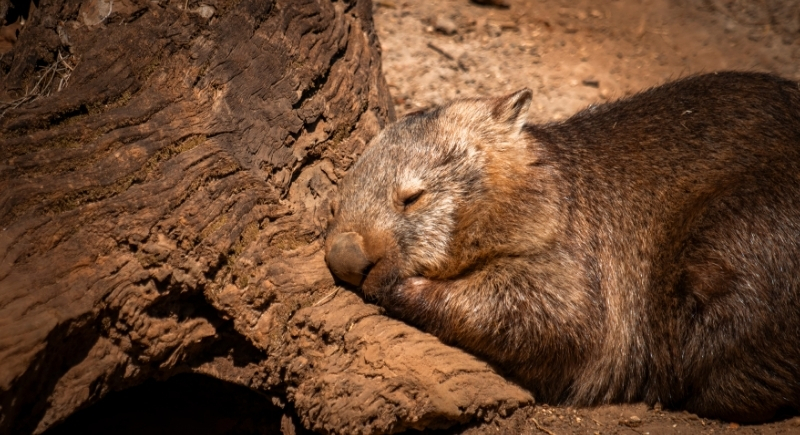
Image via Pixabay/Storme22k
Reports surfaced about wombat burrows being filled in on rural properties, leaving animals trapped underground. Animal welfare groups spoke out, politicians called for clearer criminal penalties, and environmental departments worked with protection agencies to investigate what had happened. What began as isolated complaints became a broader policy issue.
At the same time, social media added pressure. A widely shared video showed an influencer grabbing a baby wombat for a photo, prompting investigations and criticism from international animal welfare organizations. Specialists explained that even a brief separation can cause significant stress and disrupt bonding with its mother. Public reaction intensified as people began linking everyday human behavior with long-term wildlife harm.
The Legal Reality People Often Miss
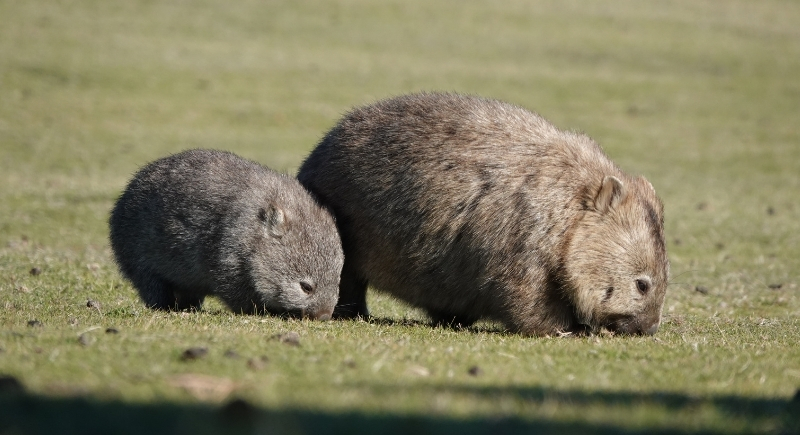
Image via Getty Images/LKR Photography
Wombats are already a protected species in South Australia. The newer rules extend protection to the places they live, making enforcement easier because officials can act before an animal gets injured. Disturbing a burrow without authorization can lead to fines or potential jail time, depending on the severity and intent.
Filling an active burrow or damaging a warren system carries major legal risk. Even construction or land clearing can require permits if burrows exist nearby. Authorities can investigate reports and apply penalties if the law is broken.
Social Media, Tourism, And Everyday Risk
Wildlife tourism and content creation changed how people interact with animals. Selfie culture increased demand for close encounters. Animal welfare groups warn that handling wild animals disrupts their natural behavior and causes stress that can persist long after the interaction ends.
Responsible wildlife tourism focuses on observation at a distance. Ethical guidelines recommend avoiding attractions offering direct contact, feeding, or handling. Some companies market experiences as ethical while still allowing harmful interaction. Travelers now face growing pressure to research experiences carefully.
Why Australia Treats Burrows As Critical Infrastructure
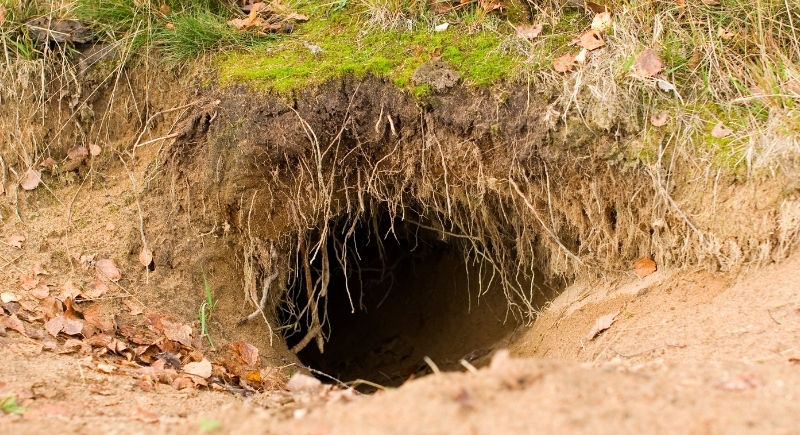
Image via Getty Images/Bamse031
Southern hairy-nosed wombats live across parts of South Australia, particularly the Murraylands and coastal regions. Their burrow systems can extend for dozens of feet and shelter multiple animals. These underground networks support breeding, rest cycles, and survival during extreme heat.
Damaging a single burrow can affect several animals across seasons. Conservation experts argued that burrows should be treated as essential survival structures rather than incidental habitat features. The law now reflects that approach, recognizing that protecting wildlife also requires protecting the structures that sustain them.