You Could Go to Prison for 3 Years if You Abandon Your Pet in France
For animal shelters across France, summer has long brought the same surge of emergencies. As the holiday season nears, kennels fill quickly, phones do not stop ringing, and pets are left behind in boxes, tied to posts, or abandoned near roads and rest areas. What was once treated as neglect has now crossed a legal threshold. French authorities have made it clear that abandoning an animal is no longer a minor lapse. It is a criminal act.
Under current French law, abandoning a domestic animal can lead to up to 3 years in prison and fines of up to €45,000. The offense falls under animal cruelty statutes, placing abandonment alongside serious forms of mistreatment. The shift signals how firmly lawmakers and courts now view the harm caused by walking away from a pet.
A Longstanding National Problem

Image via iStockphoto/LembiBuchanan
France has struggled with pet abandonment for decades. Animal welfare groups estimate that between 100,000 and 200,000 dogs, cats, and other domestic animals are abandoned each year, which gives the country one of the highest abandonment rates in Europe. Roughly 60% of those cases occur during the summer, when families travel, move, or discover that vacation accommodations will not accept pets.
Shelter workers describe familiar patterns. Owners often avoid surrendering animals face-to-face. Instead, they leave pets outside shelters after hours or call anonymously to report where an animal has been left. These trends cut across income levels and regions, making the problem difficult to isolate or solve through education alone.
From Neglect to Criminal Liability
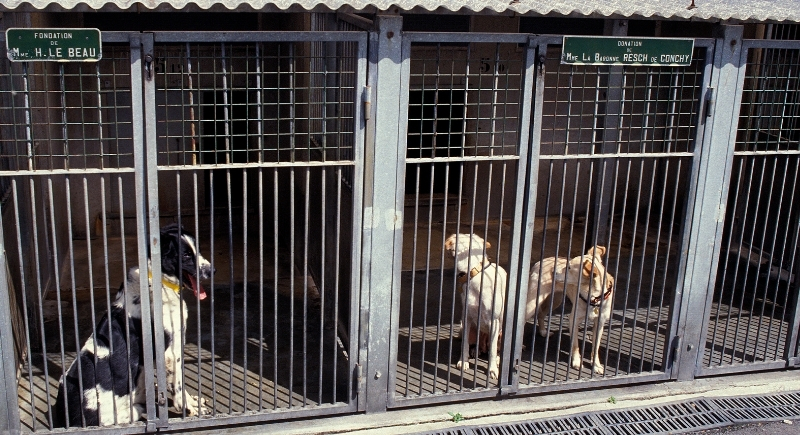
Image via Getty Images/slowmotiongli
Previously, abandonment was punishable under French law, but enforcement was inconsistent. Prosecutors often treated cases as low priority, and jail sentences were rare. Animal welfare advocates argued that the lack of serious consequences encouraged repeat behavior and failed to deter impulsive ownership. That approach has now changed.
Abandonment is legally defined as serious mistreatment, regardless of whether physical violence is involved. If an animal is left in conditions that place its life at immediate risk, courts can impose harsher penalties. When abandonment leads directly to an animal’s death, sentences can be increased further.
The law applies broadly to dogs, cats, and other domesticated animals. And responsibility does not disappear because an owner is traveling, relocating, or experiencing a lifestyle change.
Preventing Impulse Ownership

Image via Canva/photobyphotoboy
France has paired tougher penalties with preventive measures to reduce abandonment. Prospective pet owners are now required to sign a certificate of commitment and knowledge before adopting or purchasing an animal. The document confirms that the owner understands the animal’s needs, lifespan, financial costs, and long-term care requirements. Identification and traceability rules have also been strengthened. Microchipping and registration make it harder for owners to abandon animals anonymously.
Lawmakers have been explicit about the goal. The intention is not only punishment, but deterrence. Pets are no longer treated as disposable property under the law. Ownership carries legal obligations that persist through vacations, housing changes, and personal circumstances.
Enforcement Is Key
The law also reflects a broader shift in France’s approach to animal welfare. In recent years, the country has tightened restrictions on animal sales, banned certain forms of exploitation, and increased penalties for cruelty offenses. Abandonment laws now fit squarely within that trend.
France’s decision to impose prison sentences for pet abandonment did not emerge in isolation. It followed years of documented shelter overcrowding, seasonal spikes in the number of abandoned animals, and frustration among veterinarians and welfare groups over weak enforcement.
The message is now unambiguous. Bringing an animal into your life is a long-term commitment, not a temporary arrangement. Walking away can cost far more than inconvenience. It can cost years of freedom.