You Might Be Spaying Your Pet at the Wrong Time, and Here Is Why
Spaying and neutering are widely recommended for good reason. These procedures reduce unwanted litters, lower the risk of several serious diseases, and can help curb certain behavior issues. But while the decision to spay or neuter is often treated as straightforward, the timing of that surgery is more important than many pet owners realize.
Veterinary research and shelter guidelines increasingly show that the “right” time to spay or neuter is not the same for every pet. Factors such as species, breed size, lifestyle, and health history all play a role. In some cases, having the procedure done too early or too late can affect long-term health outcomes.
Why Spaying and Neutering Still Matter
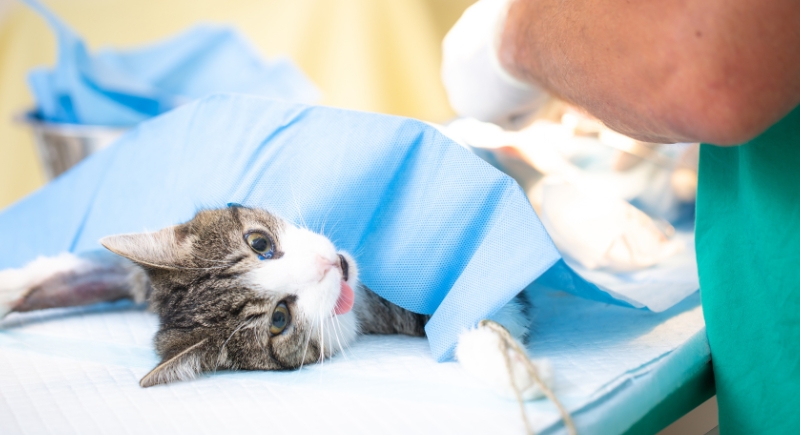
Image via Canva/SimonKadula
There is strong evidence that spayed and neutered pets tend to live longer, healthier lives overall. Large-scale studies examining medical records of hundreds of thousands of dogs and cats have found that altered pets have significantly longer average lifespans than those left intact.
Spaying and neutering eliminate the risk of testicular cancer in males and dramatically reduce the likelihood of uterine infections such as pyometra in females. They are also associated with lower rates of mammary cancer when females are spayed before repeated heat cycles. Beyond disease prevention, these procedures reduce roaming, fighting, and injuries tied to mating behaviors, which can expose pets to accidents and infections.
These benefits are well-established, which is why veterinarians and animal welfare organizations continue to recommend sterilization. The question is not whether to spay or neuter, but when.
Timing Isn’t One-Size-Fits-All
For many years, early spaying and neutering, often before six months of age, was promoted as the universal standard. While early sterilization remains appropriate and beneficial in many cases, especially for cats and shelter animals, newer research has shown that timing can affect development in certain dogs.
Some retrospective studies suggest that very early sterilization may delay the closure of growth plates in large and giant breed dogs. Growth plates are areas of developing bone that determine height and joint structure. When they close later than normal, some dogs may grow slightly taller or longer, which can increase stress on joints and connective tissue.
This effect appears most relevant for large and giant breed male dogs, particularly breeds such as the German Shepherd and the Golden Retriever. In these cases, delaying neutering until physical growth slows, often between 12 and 15 months, may reduce the risk of certain orthopedic issues. These findings do not apply equally to all breeds and do not suggest that early sterilization is harmful for most pets.
Dogs and Cats Are Not the Same

Image via Getty Images/VYCHEGZHANINA
One of the most common misunderstandings around spaying and neutering is assuming dogs and cats should follow the same timeline. The evidence does not support that approach.
For cats, early spaying or neutering is strongly recommended. Cats can reach maturity as early as four months of age, and intact cats are far more likely to spray, vocalize, roam, and contribute to unplanned litters. There is little evidence that delaying sterilization provides health benefits for cats, while the risks of waiting, especially behavioral ones, are well documented.
For dogs, particularly males, the situation is more complex. Female dogs benefit from being spayed before their first heat cycle to reduce cancer risk, while male dogs may have more flexibility depending on size, environment, and supervision.
Shelter Guidelines Versus Individual Pet Care
Shelters and rescue organizations often sterilize animals as early as six to eight weeks of age. This practice is driven by population control and the need to ensure animals do not contribute to overpopulation once adopted.
Privately owned pets in stable homes can have more individualized decisions made for them. What is ideal for a shelter system is not always identical to what is ideal for a single pet living in a controlled environment. Both approaches are valid, but they serve different goals.
Understanding this distinction helps explain why advice about spaying and neutering can sometimes feel conflicting.
Behavior, Hormones, and Expectations

Image via Pixabay/Alexas_Fotos
Spaying and neutering can reduce hormone-driven behaviors such as roaming, marking, mounting, and heat-related vocalization. However, these surgeries are not cures for all behavior issues.
Research shows that aggression is more strongly influenced by genetics, early socialization, and training than by hormones alone. Waiting too long to alter a pet may allow certain behaviors to become habitual and harder to change.
Weight gain after surgery is linked to metabolic changes and diet, not the procedure itself, which is why monitoring food intake and activity after surgery is important regardless of timing.