Your Dog Actually Loves You More Than Dinner According to Brain Scans
Some dog owners joke that their pets love them only as long as the food bowl stays full. But studies using brain scans show something entirely different from our common perception. According to brain scans, many dogs respond just as strongly—or even more strongly—to signals linked to their owner’s praise as to cues linked to food. This provides scientific grounding to a bond that people have sensed for ages: dogs value human connection in a way that extends beyond simple reward.
Inside the Canine Brain
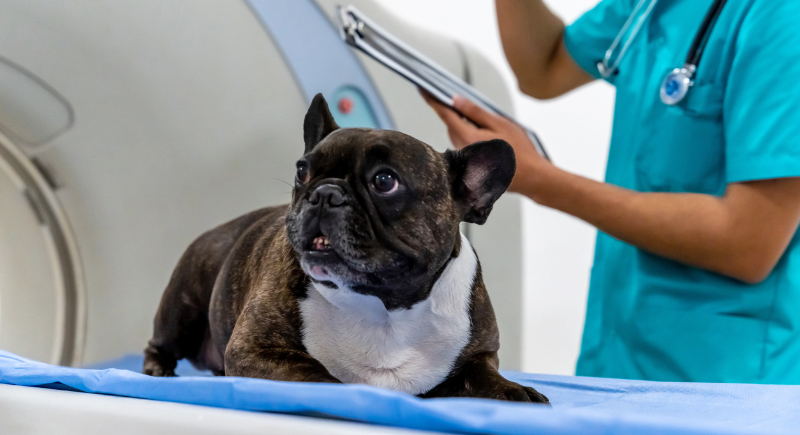
Image via iStockphoto/Zinkevych
At Emory University, researchers trained dogs to lie still inside MRI machines so they could observe how the canine reward center responds to specific cues. Each dog learned to associate three different objects with three outcomes: one object meant a food treat, another meant verbal praise from the owner, and a third signaled no reward.
During the scans, several dogs showed stronger responses to the object associated with praise than to the one associated with food. Others reacted similarly to both. Only two of the dogs consistently favored food. In most cases, social acknowledgment from their owner proved just as powerful as a treat.
To see if these brain patterns reflected real-world choices, researchers set up a Y-shaped maze. One path led to a bowl of food, and the other led to the dog’s owner. The dogs whose brains had shown stronger reactions to praise often chose their owner instead of the food, confirming that their neural activity predicted their behavior.
What This Tells Us About the Dog–Human Bond
These studies suggest that for many dogs, interaction with their person carries major emotional weight. The findings highlight how dogs can be highly motivated by social rewards, not just by the prospect of eating.
It helps explain why attention and positive acknowledgment can be powerful reinforcers in training and in daily life.
Applying the Findings at Home
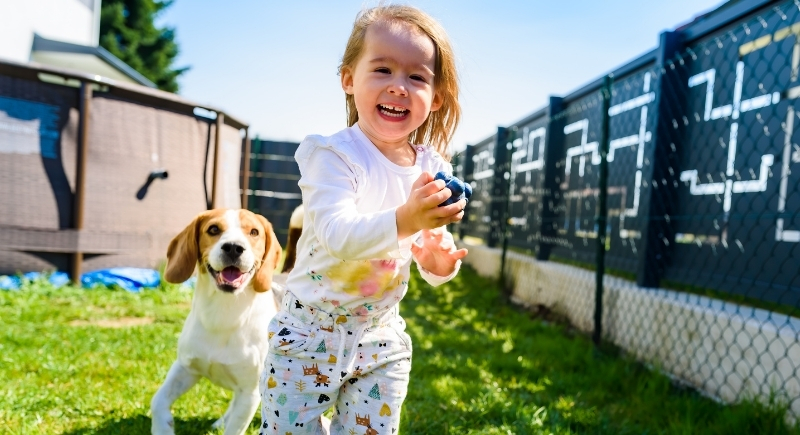
Image via Canva/Przemyslawiciak
Praise can be as rewarding as a treat for dogs who respond strongly to social cues. Consistent, calm interaction reinforces their sense of safety and connection. Food remains an important motivator, but for many dogs, affection and companionship sit at the center of their world.