Your Dog Is Choking: The Heimlich Maneuver for Pets and When to Use It
Your dog can go from fine to struggling for air in a matter of seconds, and it’s a terrifying thing to witness. The signs are usually clear once you know what to look for. If your dog keeps coughing but can’t clear anything, makes harsh or unusual breathing sounds, or starts pawing at their mouth in panic, something may be stuck. You might also notice them trying hard to breathe but not getting enough air.
As it gets worse, their gums can lose their normal pink color and turn pale, bluish, or even white. That means oxygen levels are dropping, and the situation is urgent. At that point, every second matters, and acting quickly can make all the difference.
Why Dogs End Up Choking
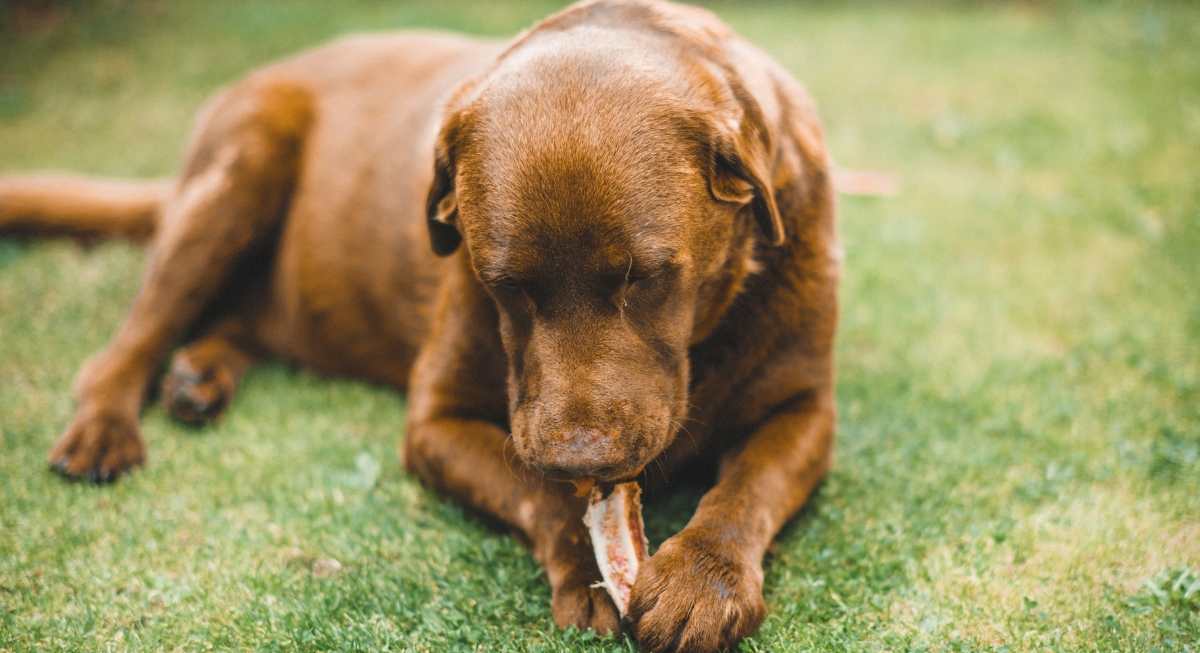
Image via Pexels/Mathias Reding
Dogs explore the world with their mouths, which makes everyday objects risky. Bones, balls, sticks, and small plastic toys rank among the most common culprits. Even items designed for pets can become dangerous once chewed down to a smaller size.
There’s also a medical side that often gets overlooked. Swelling in the throat, a collapsing trachea, or a mass in the airway can create the same symptoms as a lodged object. That’s why recognizing what’s happening matters more than guessing the cause in the moment.
One quick way to distinguish between choking and coughing helps cut through the panic. A coughing dog can still draw air in before making a sound. A choking dog struggles to breathe at all.
The First Few Seconds
The instinct to rush in is right, but how you do it is vital. A choking dog is usually anxious and may snap without meaning to, so approach carefully.
Start by checking the mouth. Gently open it, pull the tongue forward, and look for anything visible. If you can reach the object, sweep it out with your fingers. Keep the motion controlled so you don’t push it deeper. If the object isn’t easy to grab or your dog won’t let you near their mouth, it’s time to move to the next step quickly.
When to Use the Heimlich Maneuver
The Heimlich maneuver is used when a blockage can’t be removed by hand and breathing remains compromised. The goal is to create enough pressure to force the object out of the airway. Stand behind your dog and wrap your arms around their abdomen, just under the ribs. Make a fist, cover it with your other hand, and deliver five quick inward and upward thrusts. Each push should aim toward the rib cage, not straight back.
After the thrusts, check the mouth again. If the object has shifted, remove it carefully. If nothing changes, add five firm back blows between the shoulder blades. Then repeat the cycle. Thrusts, check, back blows, check. The sequence should remain consistent so you don’t lose time deciding what to try next.
Adjusting for Size and Position

Image via Getty Images/Juan Jose Napuri
Not every dog fits the same approach, so positioning helps improve your chances. For large dogs that can stand, the standard method works best. If they’re lying down, place one hand on the back for support and use the other to push the abdomen upward.
For smaller dogs, you can hold them against your body or on your lap while applying the same upward thrusts under the rib cage. In some cases, lifting the hind legs or angling the body downward helps gravity assist the process. These adjustments support the core technique.
After the Object Comes Out
Getting the object out is only part of the job. Check your dog right away. If breathing doesn’t resume, rescue breaths and CPR may be needed.
Even if your dog seems fine, a veterinary visit is still recommended. A lodged object can scrape or injure the throat, and small particles can be inhaled into the lungs. X-rays are often used to detect fluid buildup or any retained material.
Lowering the Risk Going Forward

Image via iStockphoto/mladenbalinovac
Prevention comes down to paying attention to what your dog chews and eats. Choose toys that match your dog’s size and don’t break apart easily. Keep children’s toys out of reach, and discard treats like rawhide once they shrink to a swallowable size.