7 Bird Species That Make Surprisingly Good House Pets (And Three That Definitely Don’t)
Birds can be rewarding pets, but they also come with very different levels of care, noise, and daily upkeep, and that difference matters a lot once they are actually in your home. Some species settle into household routines fairly easily, staying manageable in terms of space, attention, and cleaning. Others are much more intense and they need constant interaction, larger setups, or tolerance for noise and mess that most people do not expect at first.
This list breaks down seven bird species that tend to fit better into everyday home life, and three that usually don’t, based on how realistically their needs match what most owners can sustain long term.
Cockatiel
Credit: Wikimedia Commons
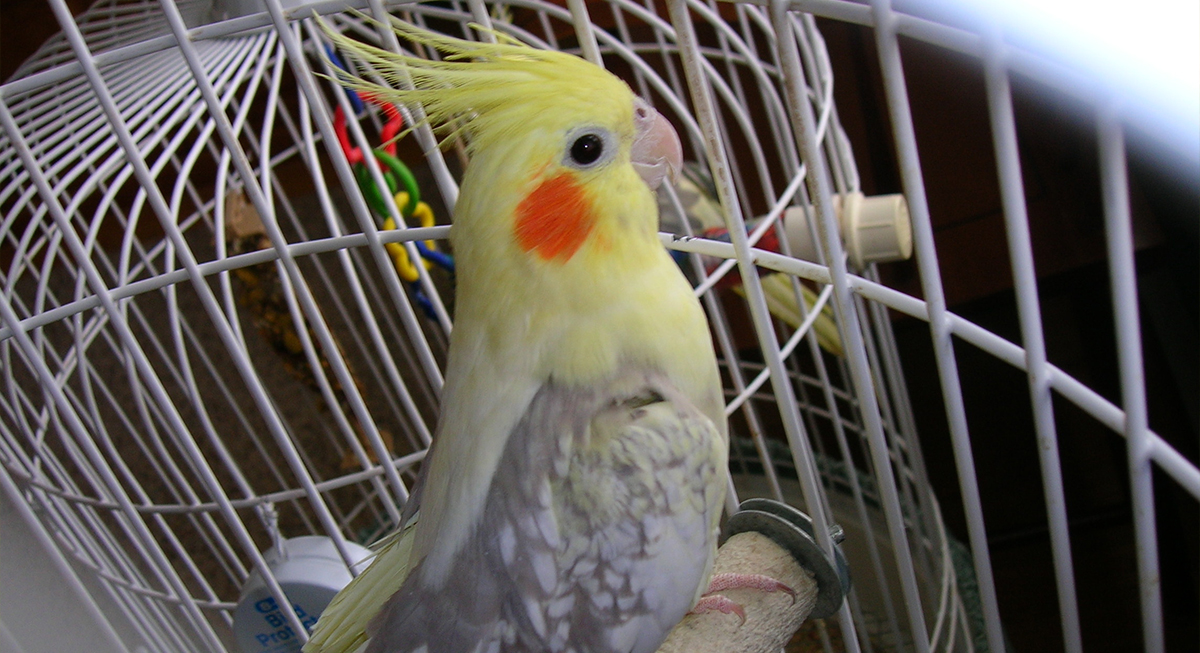
A cockatiel often shows its mood before it makes a sound. Its crest lifts when something catches its attention and flattens when it feels stressed. This clear body language makes it easier to read than many larger parrots, especially for first-time bird owners. Cockatiels usually fit into normal household routines without taking over them. They enjoy attention, shoulder time, and interaction, but most are not overly demanding. The main surprise for new owners is feather dust, which settles on furniture and nearby surfaces, so extra cleaning becomes part of keeping them.
Budgerigar
Credit: Wikimedia Commons
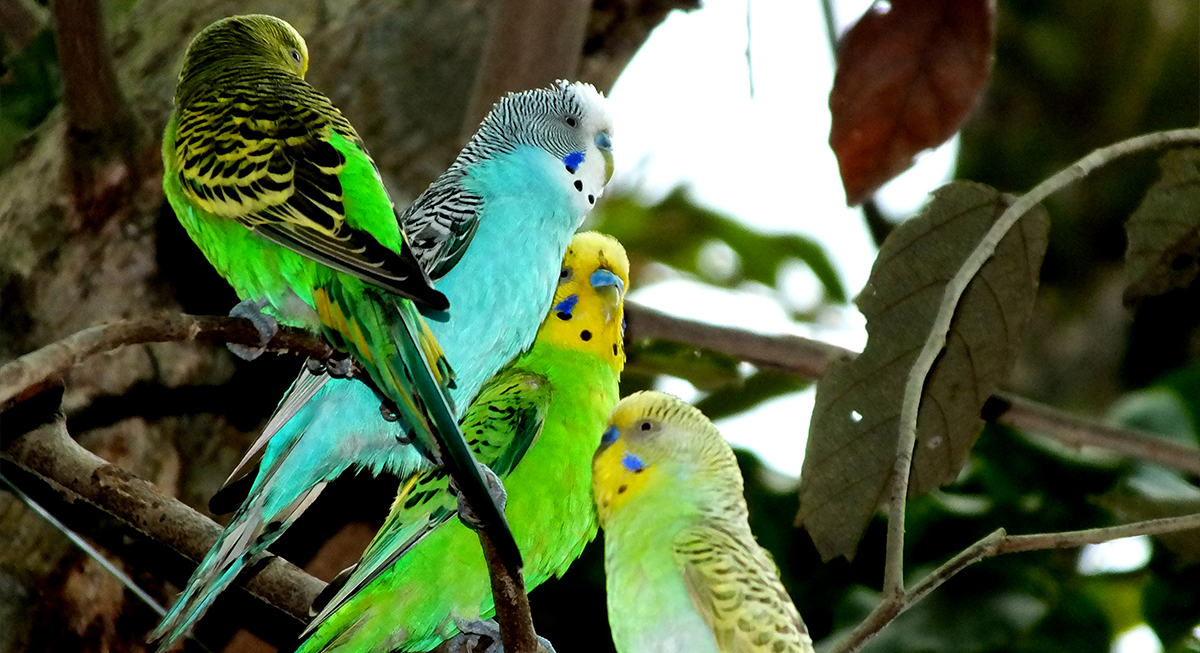
Budgies are often sold in small cages beside seed bags, which hides how social and active they really are. In the wild, they live in huge flocks across Australia, constantly moving and communicating. In homes, that energy shows up as fast chatter, constant curiosity, and playful flying or climbing. Some males even learn impressive vocabularies despite their tiny size. Owners often underestimate their need for flight space, and a budgie kept in a cage all day behaves very differently from one that gets regular, safe flying time outside it.
Green-Cheeked Conure
Credit: Wikimedia Commons
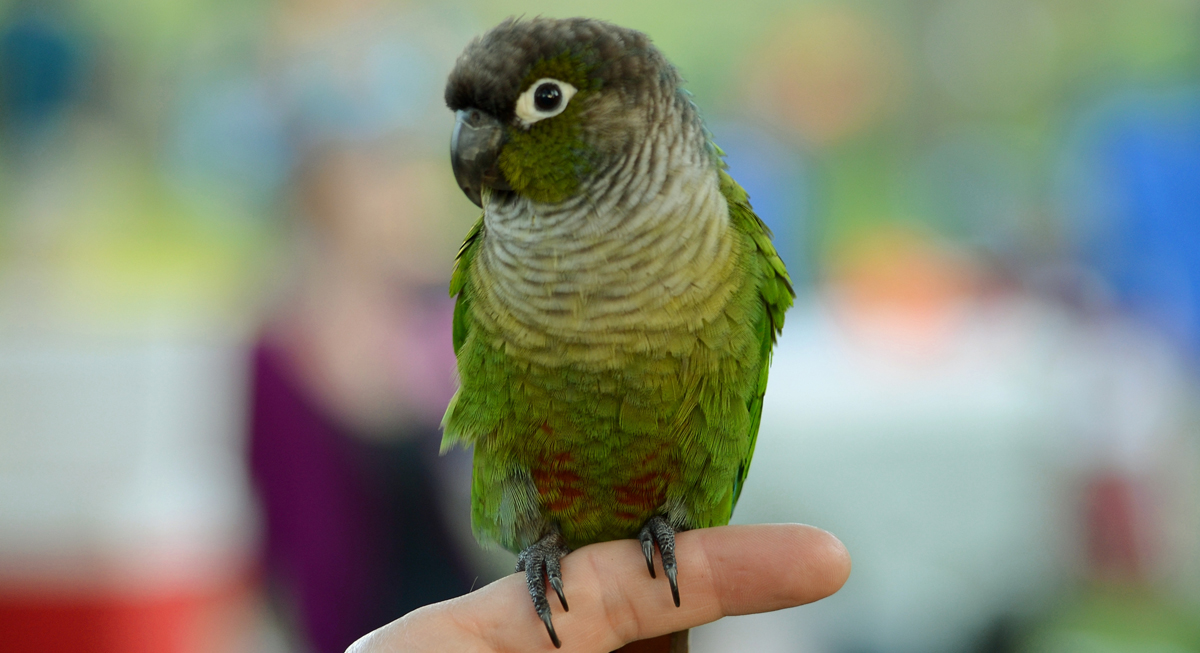
Green-cheeked conures are active, curious birds that enjoy exploring their surroundings. They will climb on clothes, check pockets, and interact with small objects on tables, often just as part of their natural play behavior. Their popularity stems as much from their playful personality as from their appearance. Compared to larger parrots, they are usually quieter and can work in apartment settings, though they will still be vocal when they want attention or food. They also learn routines quickly, so daily habits tend to become part of how they expect interaction and care.
Pionus Parrot
Credit: pexels
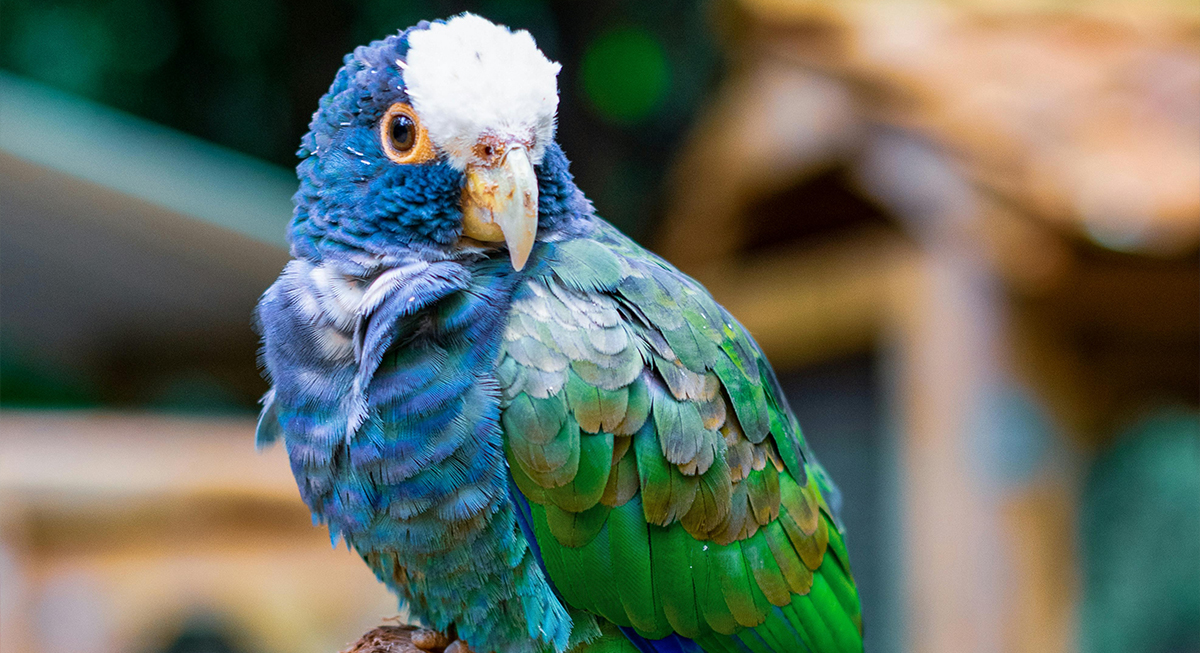
Pionus parrots rarely get as much attention as macaws, African greys, or cockatoos, and many experienced bird owners prefer them that way. They tend to be calmer in the home, especially compared to larger parrots that can be loud, demanding, and highly active. A pionus still needs interaction, flight time, and mental stimulation, but its behavior is usually steadier, which makes it easier to manage in a typical household.
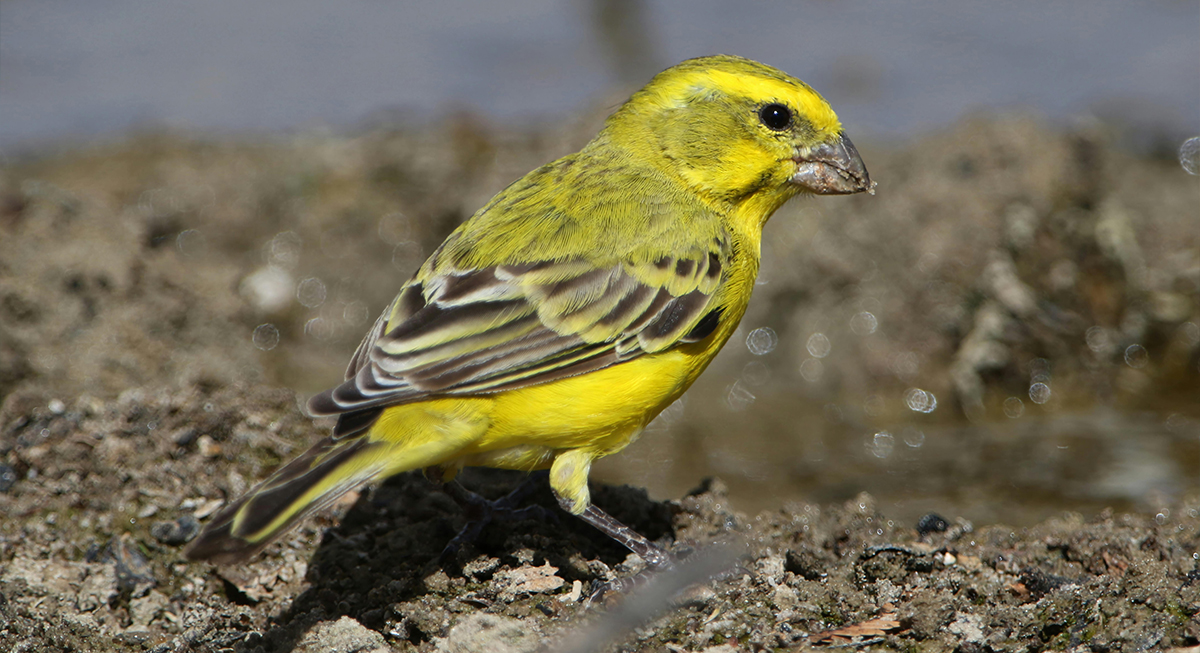
Canary
Credit: pexels
These birds are far more interested in singing than sitting on a finger or seeking physical affection, so the interaction is quite different from many other pets. Over time, the canary becomes part of the home’s background sound, filling the space with trills, rolling notes, and short bursts of song that shift with light, season, and natural cycles. Because of this, people sometimes expect a more cuddly companion and end up surprised.
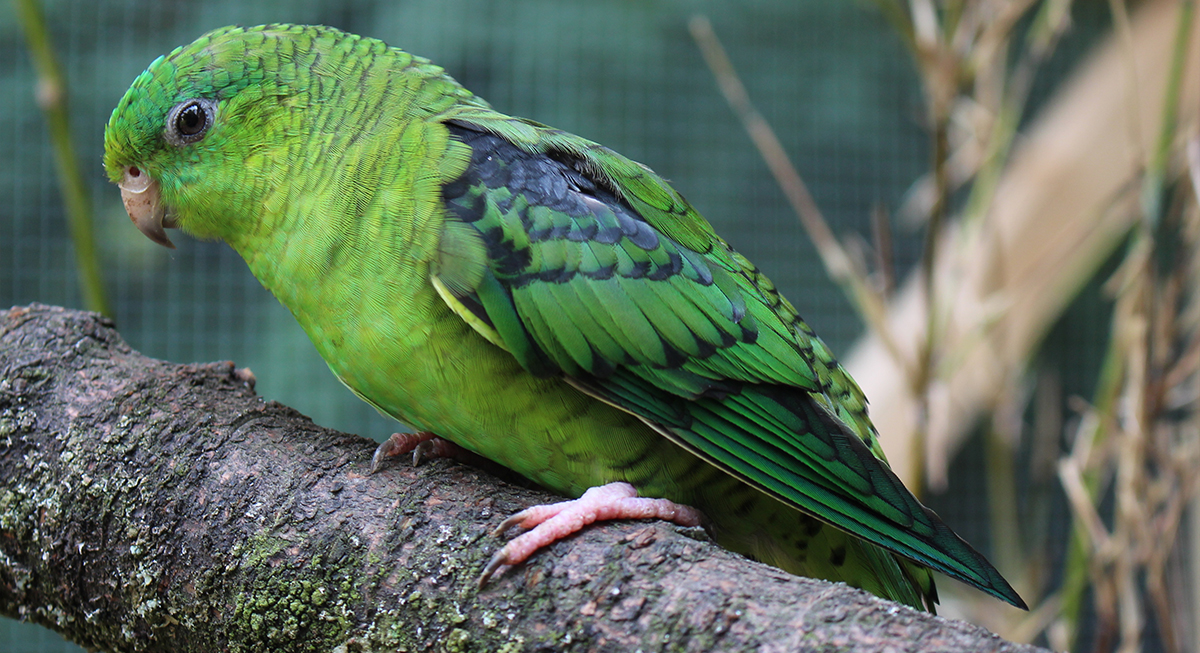
Lineolated Parakeet
Credit: Wikimedia Commons
Many lineolated parakeets climb surfaces methodically using their beaks and feet. Sometimes, they are compared to little hikers exploring every available surface. Their voices also remain softer than those of many parakeet species. It’s one of the reasons apartment owners seek them out despite their lower visibility in pet stores. The species usually settles into household routines without much drama.
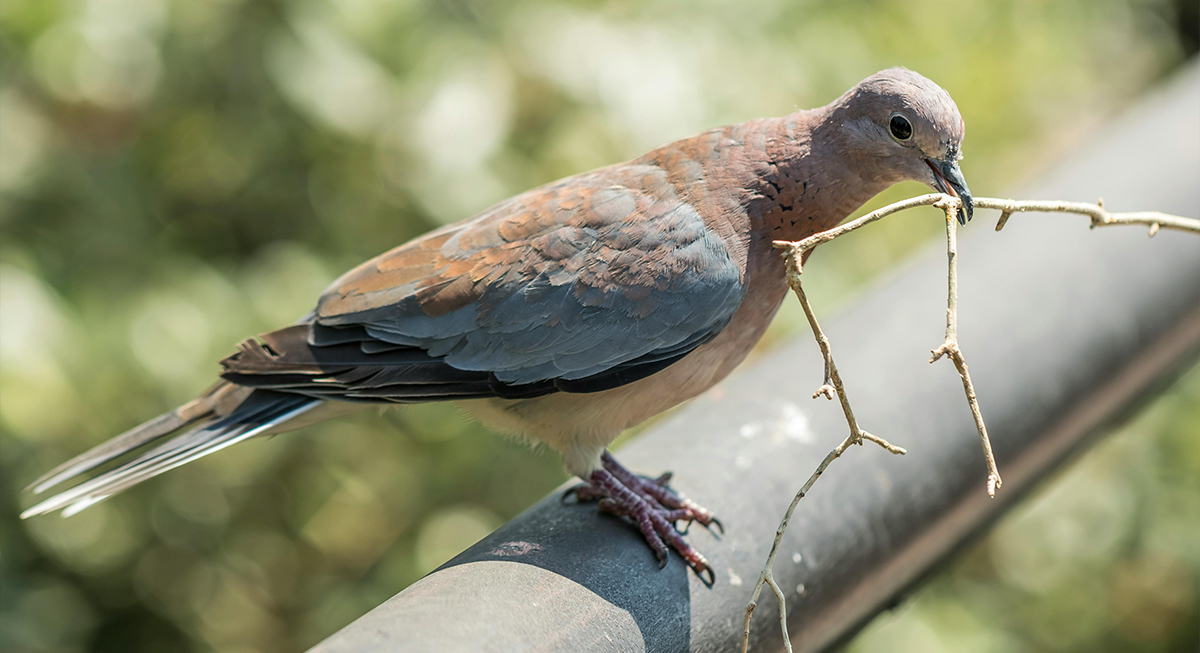
Dove
Credit: pexels
Doves spend much of their time calmly moving around the home, exploring quiet corners, resting near windows, and settling on furniture while soft cooing runs in the background. When kept in pairs, they quickly settle into shared routines, often preening together and staying close as they move from room to room. They prefer being near people rather than constant handling. Their gentle cooing and occasional wingbeats slowly become part of the everyday feel of the house.
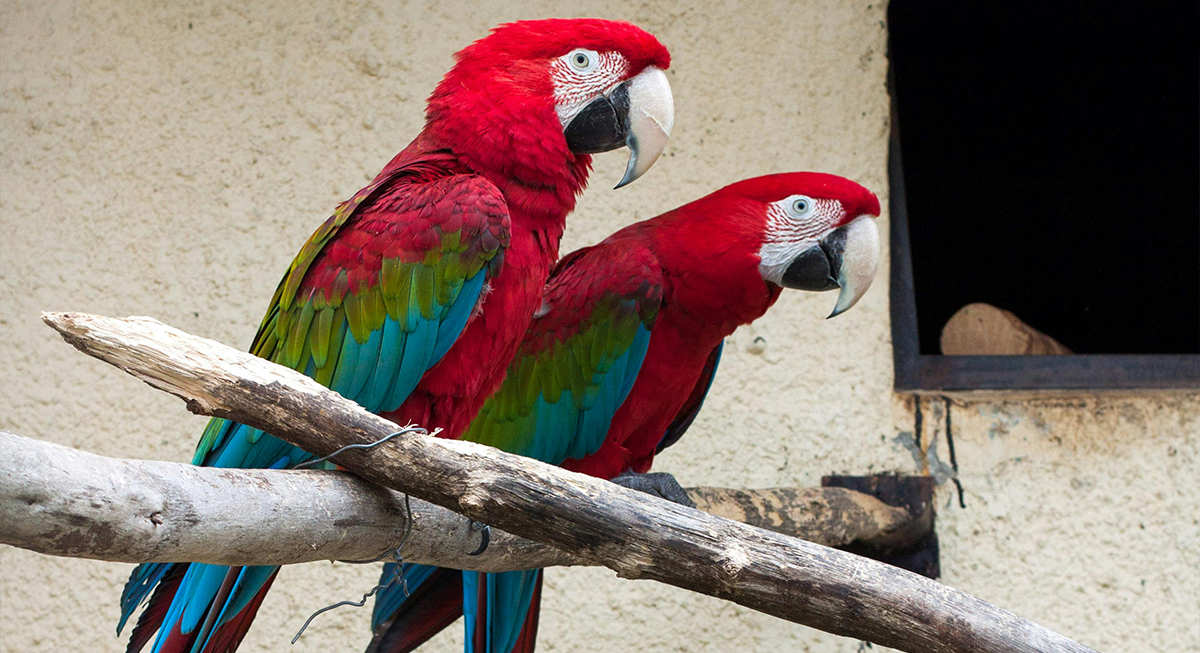
Macaw
Credit: pexels
A macaw’s beak can crack nuts hard enough to splinter wood, damage trim, bend weaker cage fixtures, and leave deep marks on cabinets after only a short time unsupervised. Its long tail feathers often knock items off tables when turning through tight spaces, and food tends to scatter during meals. Their vocalizations are hard to ignore, with loud calls that carry through walls, hallways, and nearby apartments. Some birds live for decades, sometimes outlasting major life changes like relocation or financial shifts, which can lead to unexpected rehoming situations.
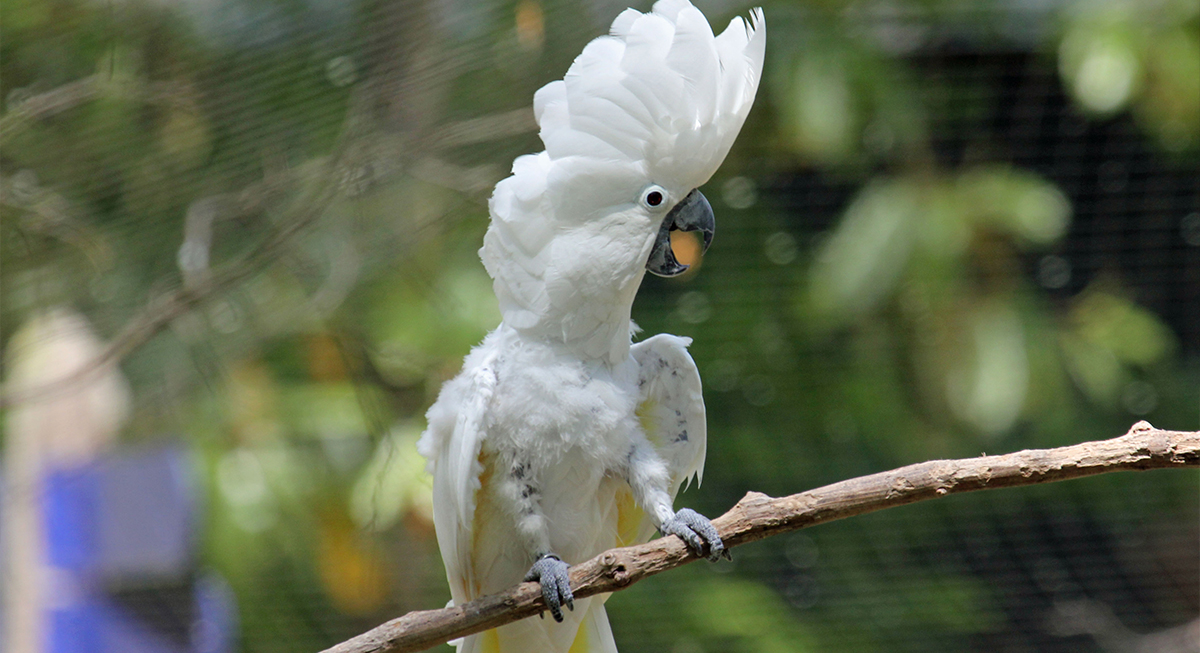
Cockatoo
Credit: Wikimedia Commons
Cockatoos often seek constant attention, sometimes wanting head scratches for long periods and climbing back onto shoulders soon after being put down. When bored, they may chew or shred books, furniture, paper, or blinds. They also produce a fine white feather dust that settles on nearby surfaces, especially during molting. Many call repeatedly, pace between rooms, or scream when familiar people leave their sight. They stay closely tuned into household activity most of the day and rarely tolerate feeling left out of what is happening around them.
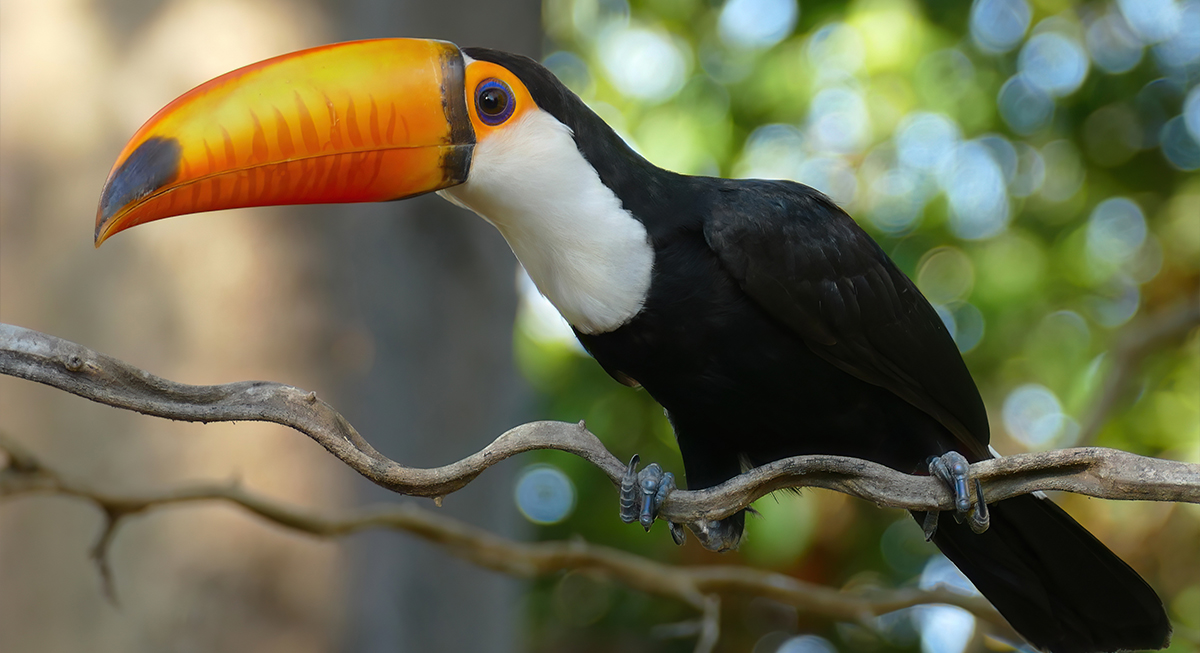
Toucan
Credit: Wikimedia Commons
Fruit spreads everywhere once a toucan starts eating. Their diets require careful management because excessive iron intake creates serious long-term health risks. Humidity, enclosure size, sanitation, and temperature control are daily concerns. Toucans also use their oversized bill to investigate nearly everything nearby. Veterinary care becomes complicated because many clinics rarely treat them outside specialized exotic practices.