10 Subtle Ways Your Dog Asks for Help Without Barking
Dogs rarely make a big scene when something feels wrong. Most start with small changes that are easy to brush off, like skipping the couch they usually jump on, eating more slowly, or following you less around the house. Many owners do not realize anything is wrong until those little shifts start happening more often.
Veterinarians and animal behavior experts pay close attention to these patterns because dogs often show pain, stress, or illness through behavior long before obvious symptoms appear. Knowing what to watch for can help you catch a problem earlier and get your dog the help it needs sooner.
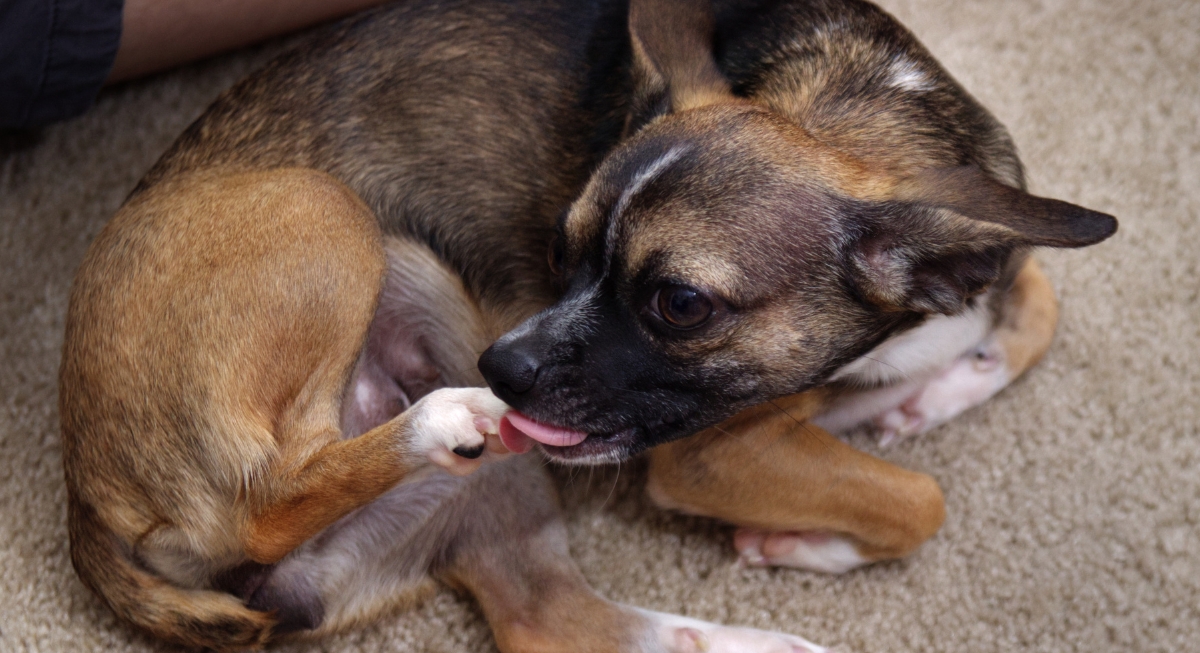
Excessive Paw Licking Can Point To Allergies
Credit: Getty Images
Persistent paw licking is one of the most common signs of environmental allergies. Because dogs walk directly on grass and other surfaces that contain allergens, the feet are frequently among the first areas affected. The toes become itchy and irritated. Many dogs develop red skin, staining around the paws, or recurrent ear infections alongside the licking. Chronic licking can eventually damage the skin barrier and increase the risk of secondary infections.
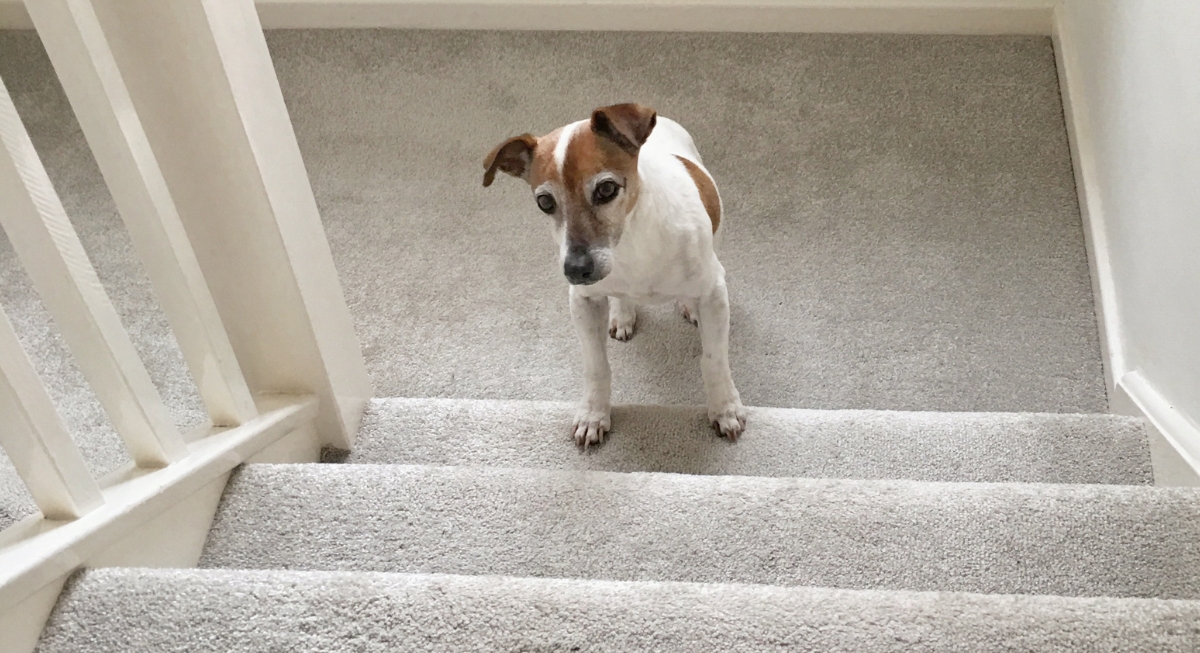
Avoiding Stairs May Signal Joint Pain
Credit: Getty Images
Dogs with joint pain often start avoiding stairs before owners notice limping. Climbing stairs puts pressure on the hips, knees, elbows, and spine, so even mild discomfort can make dogs hesitate, slow down, or stop before climbing. Some still run and play normally while avoiding movements that hurt. Large breeds, overweight dogs, and breeds prone to orthopedic problems face a higher risk of joint issues.
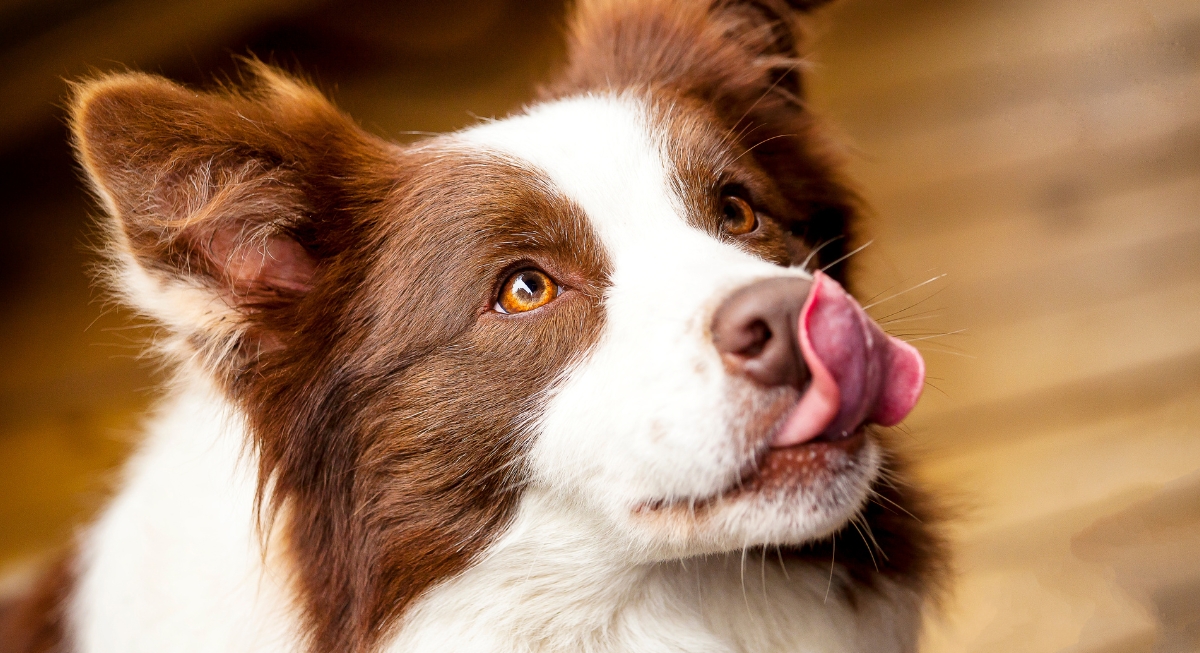
Repeated Lip Licking Can Be A Sign Of Anxiety
Credit: Getty Images
Canine behaviorists classify lip licking as a calming signal. These actions appear when a dog experiences social pressure, uncertainty, or stress. Unlike licking that occurs around food, anxiety-related lip licking often appears repeatedly without an obvious physical trigger. Studies of canine body language have found that lip licking commonly occurs during stressful interactions, unfamiliar situations, and handling procedures. It frequently appears alongside other stress signals such as yawning.
Spending More Time Alone Can Indicate Illness

Credit: pixelshot
A dog that normally seeks interaction may begin spending more time in quiet rooms, under furniture, or away from household activity. Owners sometimes interpret the behavior as moodiness or aging when the cause is actually physical discomfort. Pain, gastrointestinal illness, fever, and numerous chronic medical conditions can reduce a dog’s desire for interaction.
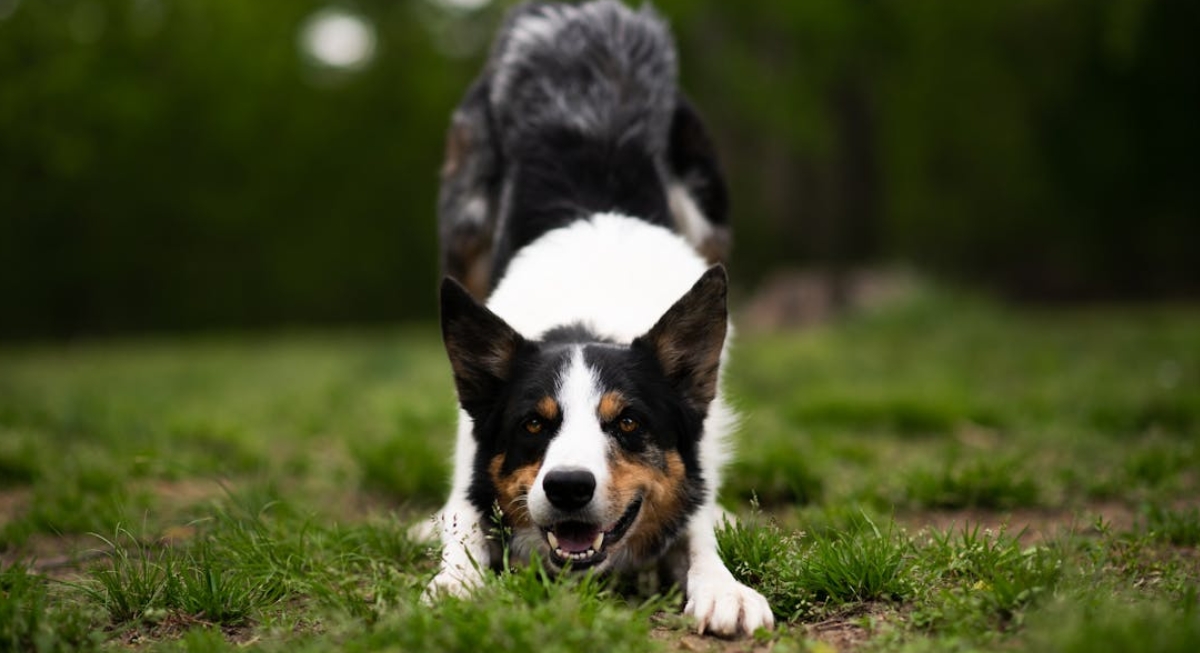
The Prayer Position Can Suggest Abdominal Discomfort
Credit: pexels
The prayer position happens when a dog lowers its chest to the floor while keeping its back end raised. It can look like a normal stretch, but dogs with abdominal discomfort sometimes repeat the position because it relieves pressure temporarily. Digestive problems, inflammation, pancreatitis, and other stomach-related issues can trigger this behavior. Stretching once after a nap is usually normal. Repeating the position often is more concerning.
Unexplained Panting Can Accompany Pain
Credi: Canva
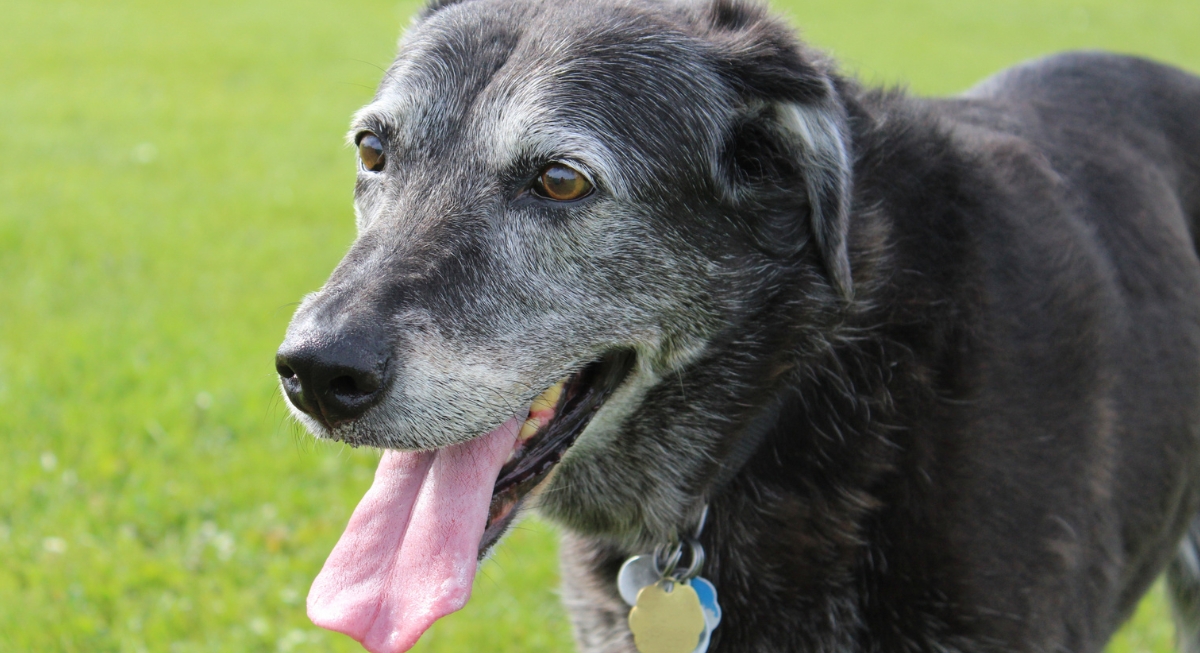
Most people associate panting with heat regulation, but veterinarians recognize it as a common indicator of pain. Dogs experiencing discomfort often breathe more rapidly, even when they are resting in a cool environment. Pain-related panting is frequently observed in dogs with arthritis, spinal disorders, injuries, and post-surgical discomfort. The behavior may be more noticeable at night when activity levels decrease and distractions are reduced. Because dogs cannot verbally communicate pain, changes in breathing patterns should never be dismissed as a personality trait.
Turning Away May Be A Request For More Space
Credit: Getty Images
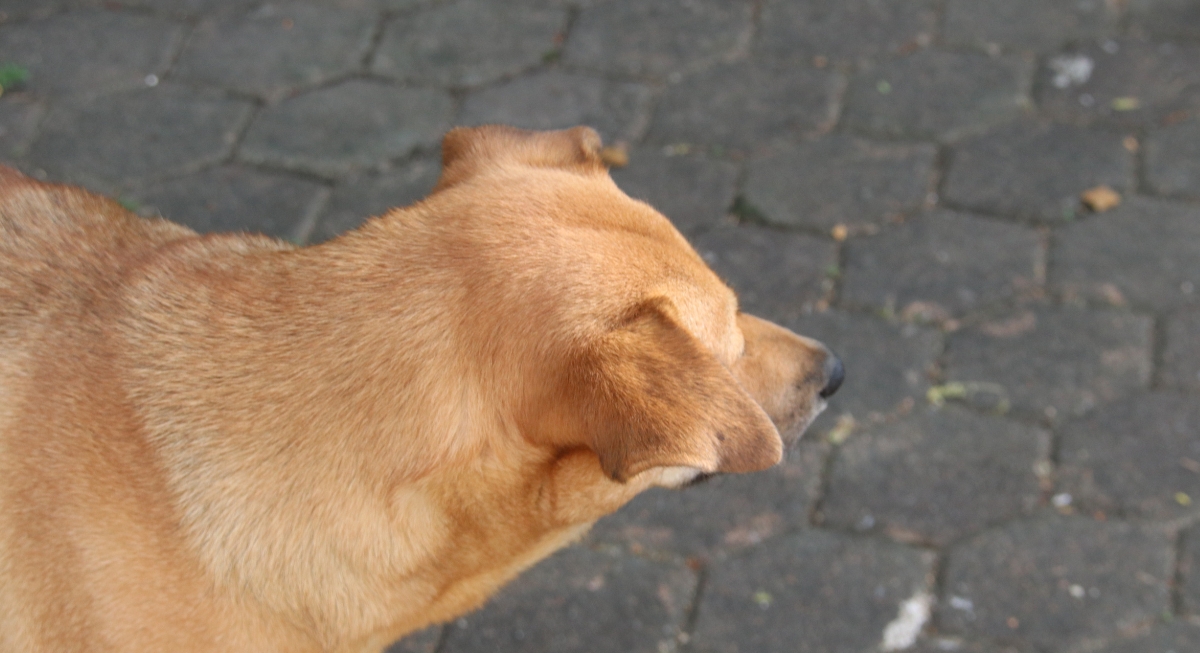
Dogs often turn away or avoid eye contact when they feel uncomfortable or want more space. It is one of the ways they reduce tension and avoid conflict during interactions with people or other dogs. Many owners mistake this behavior for stubbornness or disinterest, but trainers usually see it as an important warning sign. Dogs that can communicate discomfort safely are less likely to escalate to growling or snapping later.
Frequent Yawning Can Reflect Stress Levels
Credit: pexels
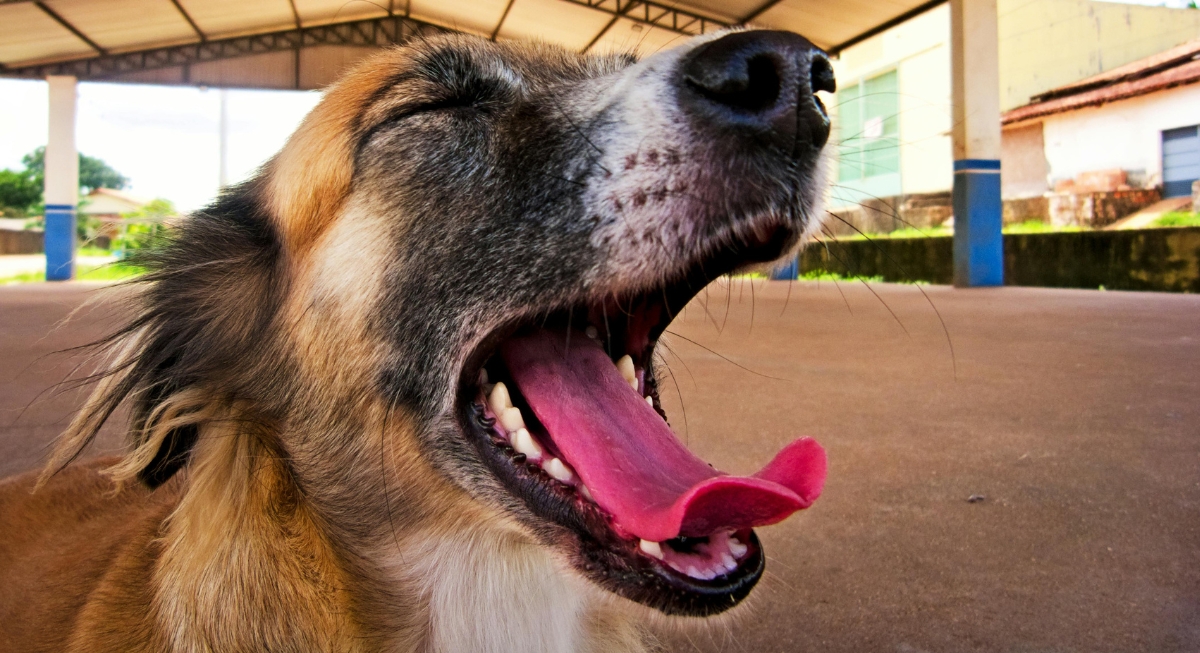
Research has shown that yawning in dogs goes beyond tiredness. Behavior specialists commonly observe increased yawning during veterinary visits, training sessions, crowded environments, and other situations that place social or environmental demands on the dog. It appears to play a role in regulating arousal within the nervous system. When frequent yawning occurs alongside other stress-related body language, it can provide useful insight into how a dog is coping with its surroundings.
A Tucked Tail Can Reveal Fear
Credit: pexels
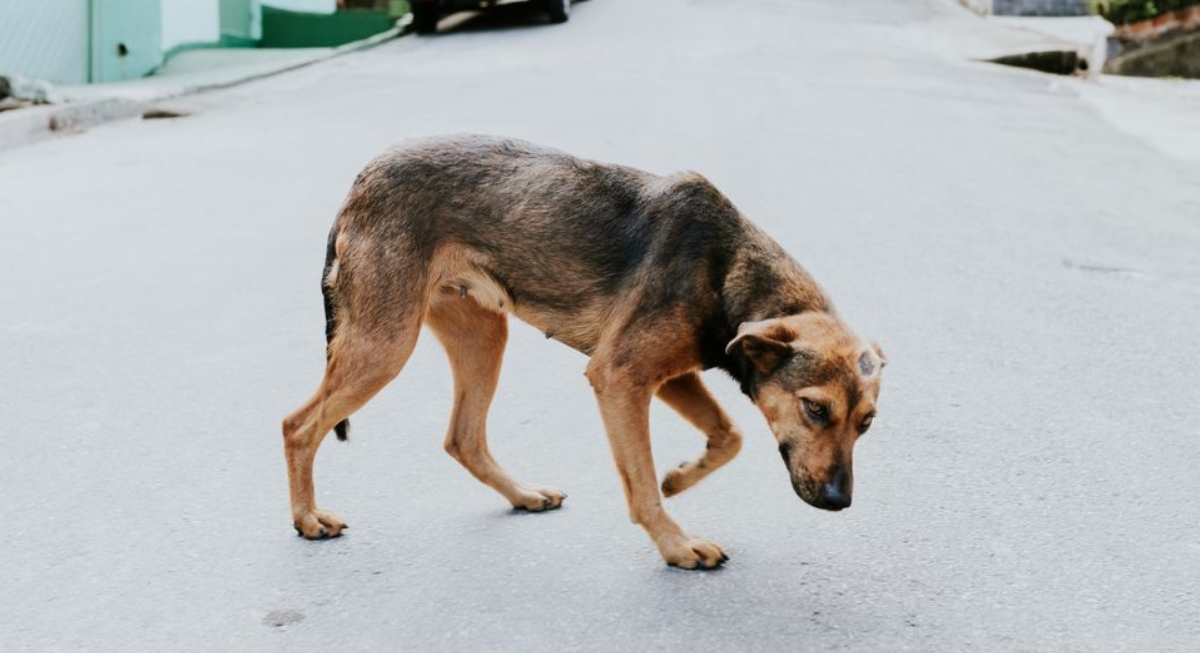
Tail position is not a perfect measure of emotion, but a tightly tucked tail remains one of the clearest indicators of fear and insecurity. The posture reduces the dog’s visible profile and frequently appears when an animal perceives a threat or feels uncertain. Fear-related tail tucking is commonly accompanied by lowered posture, pinned ears, avoidance behaviors, and hesitation during movement. Some dogs display the behavior only in specific environments, while others develop it after a negative experience.
Freezing Can Be A Warning Sign That Many People Miss
Credit: pexels
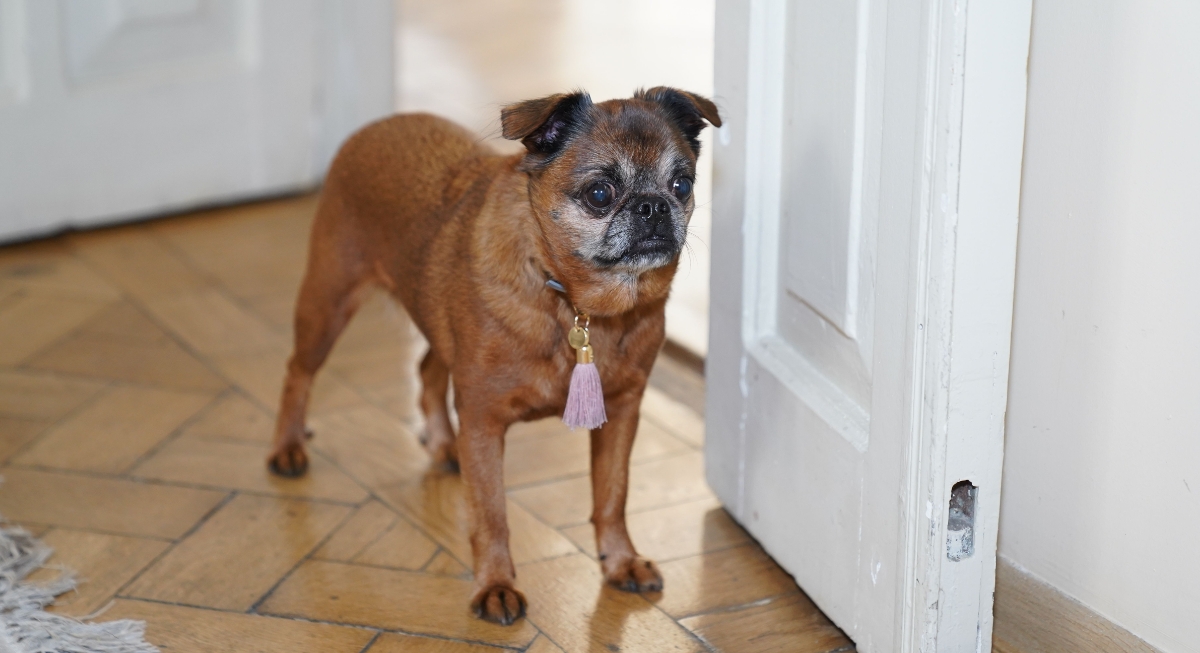
A frozen posture is commonly misunderstood in canine body language. Many people interpret a still dog as calm. Dogs often freeze when they are unsure how to respond to a situation. The body becomes rigid, movement stops, and attention narrows. This response can occur during handling, grooming, resource guarding situations, or uncomfortable social interactions. Freezing is particularly important because it can precede stronger defensive behaviors. Recognizing it early provides an opportunity to reduce pressure and prevent escalation.