10 Things Science Says Dogs Understand When We Speak
A dog has been a man’s best friend for thousands of years, and that long partnership has created a bond that allows canines to pick up on the things humans say day-to-day. Research also explains how dogs process sounds, assign them meaning, and exhibit brain activity patterns that resemble human responses. And while these findings do not suggest full language understanding, they point to a high level of comprehension.
Speech as Meaningful Sound
Credit: pexels
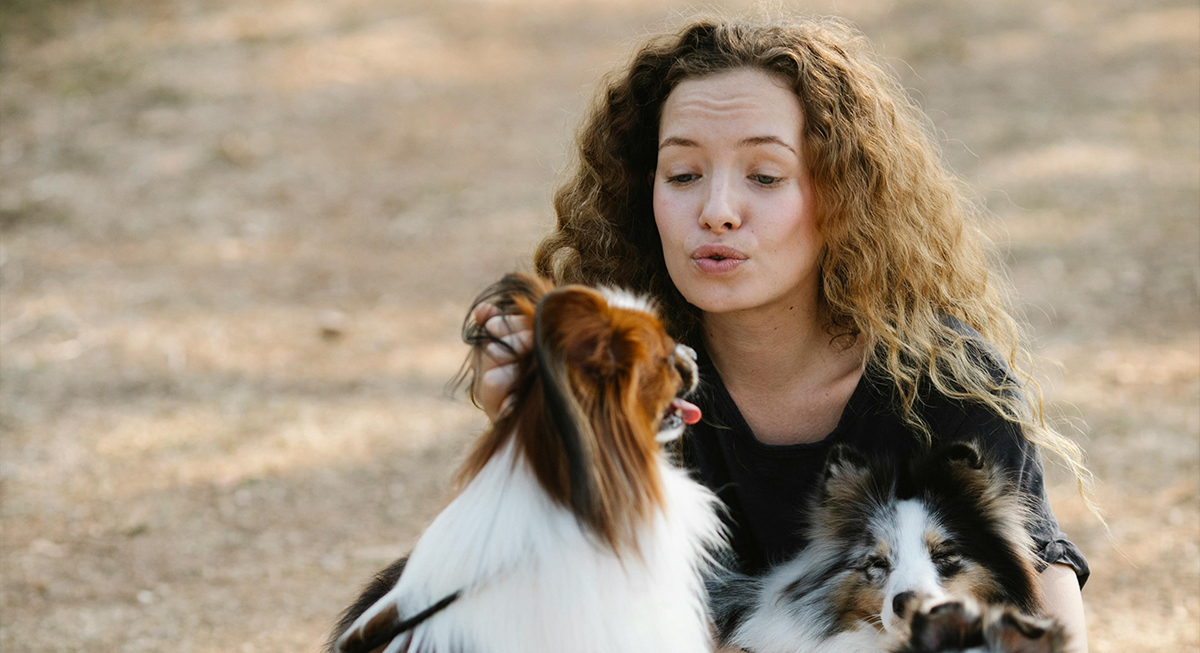
Researchers have found that dogs treat human speech as a distinct category and that their brains respond differently when they hear spoken words. This early recognition helps the animals focus on speech before interpreting meaning. It explains why dogs tend to react quickly when addressed directly.
Large Vocabularies
Credit: pexels
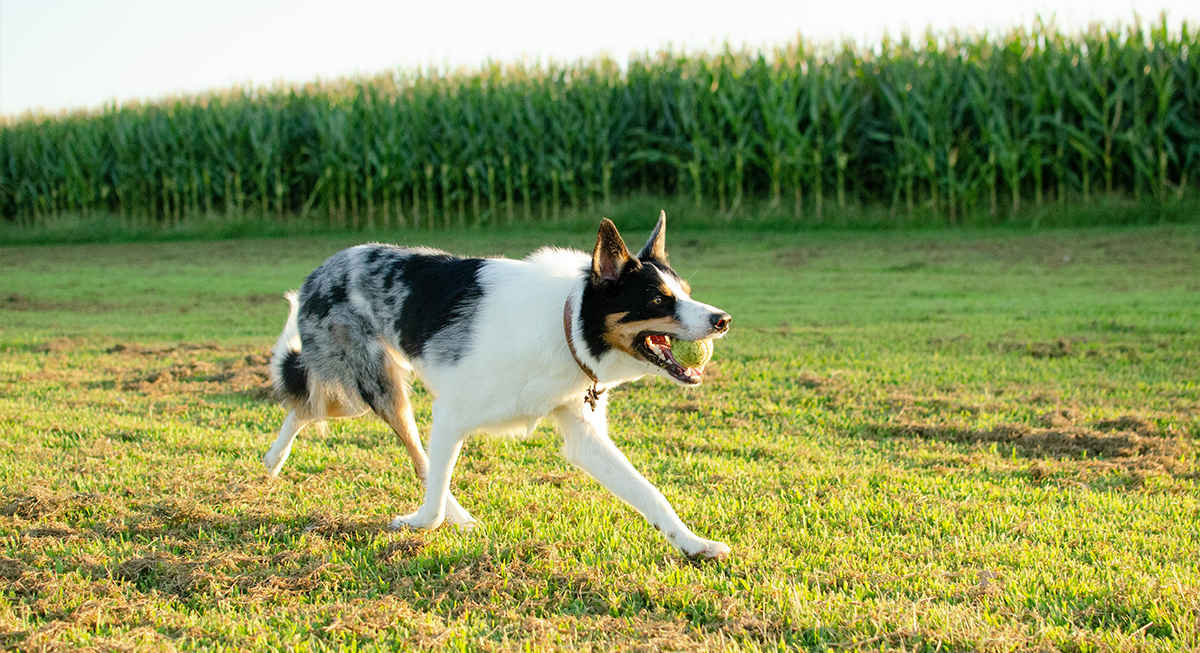
A well-known border collie named Chaser learned more than a thousand object names and could retrieve them on command. While most canines are unable to reach this level, the example shows that the potential exists.
Sensitivity at an Early Age
Credit: pexels
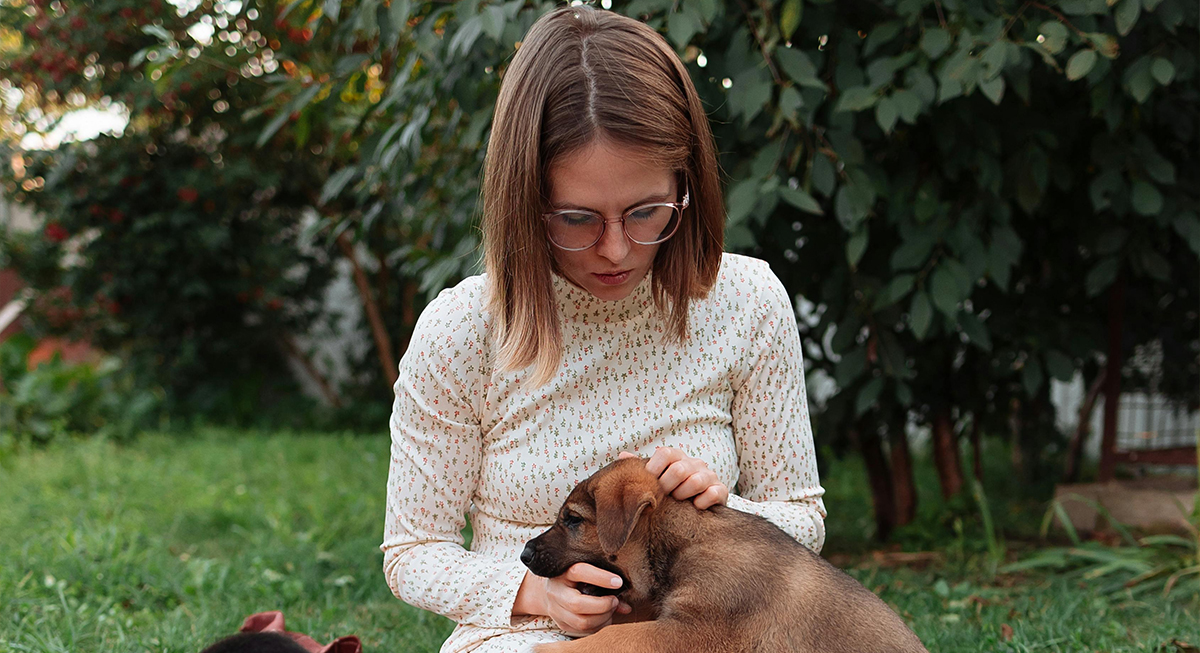
Young puppies show interest in human voices and gestures within weeks of birth. Around eight weeks old, many respond to pointing and tone changes without formal training. The behavior suggests that dogs are naturally tuned to human communication. It aids in faster learning later in life and helps explain why dogs adapt so well to human households.
Familiar Languages

Credit: pexels
If you look at brain scans of these animals, you will see that they can distinguish between languages they hear regularly and those they do not. That is why they show various reactions based on familiarity with speech patterns. This ability depends on recognizing speech and sound structure, which develops through repeated exposure in the environment.
Responding without Visual Cues
Credit: pexels
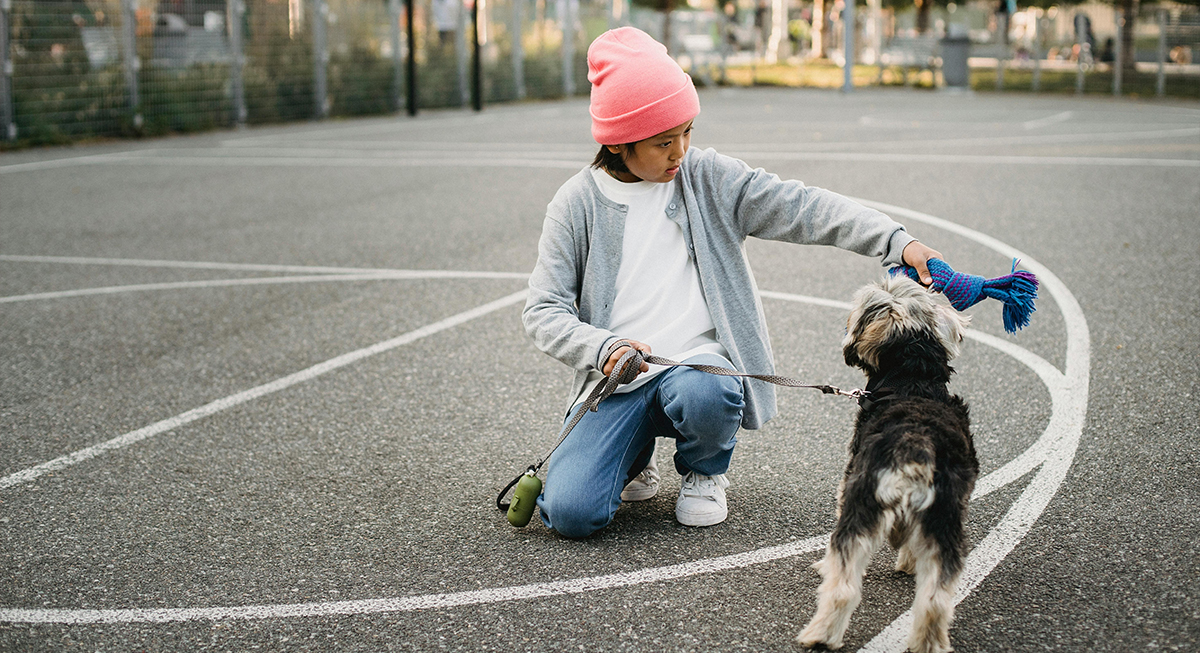
When tested with recorded words without gestures or facial expressions, these furry companions reacted appropriately to their meanings. For example, dogs moved toward the door when they heard phrases linked to going outside. They also showed clear interest when they heard words connected to play.
Linking Words to Mental Images
Credit: pexels
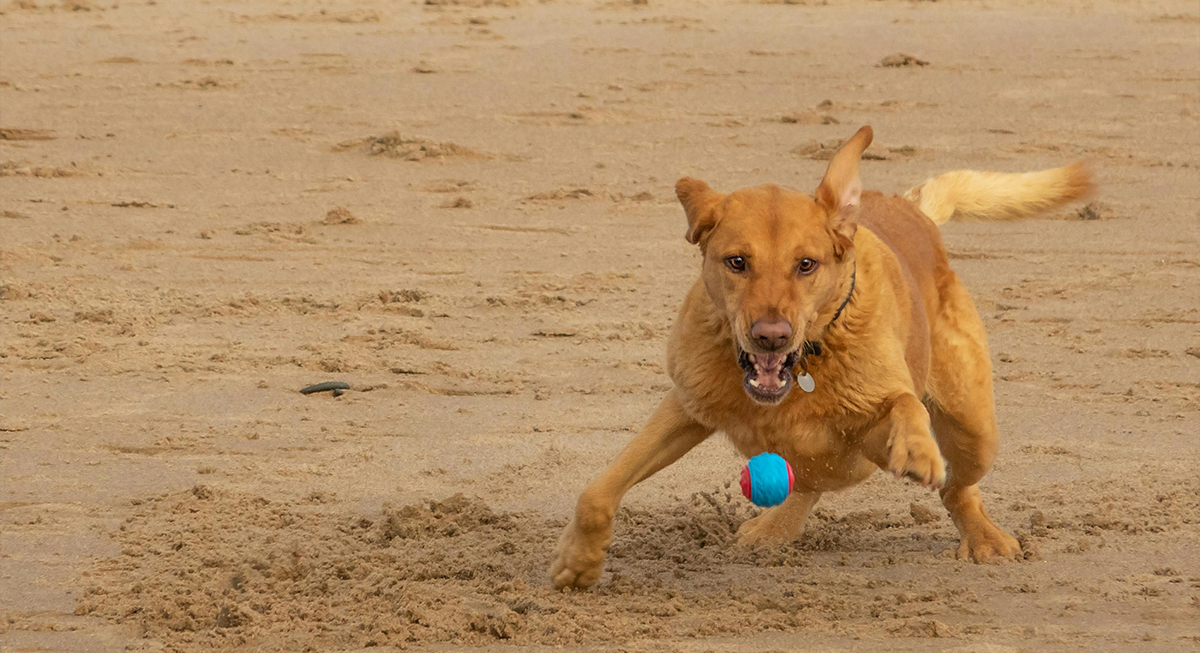
Many people are unaware that dogs form internal representations when they hear common words. According to experts, when a spoken word matches an object, the brain produces a different pattern than when it mismatches. It means that dogs connect words to stored ideas rather than treating them as simple triggers.
Basic Word Order Differences
Credit: pexels
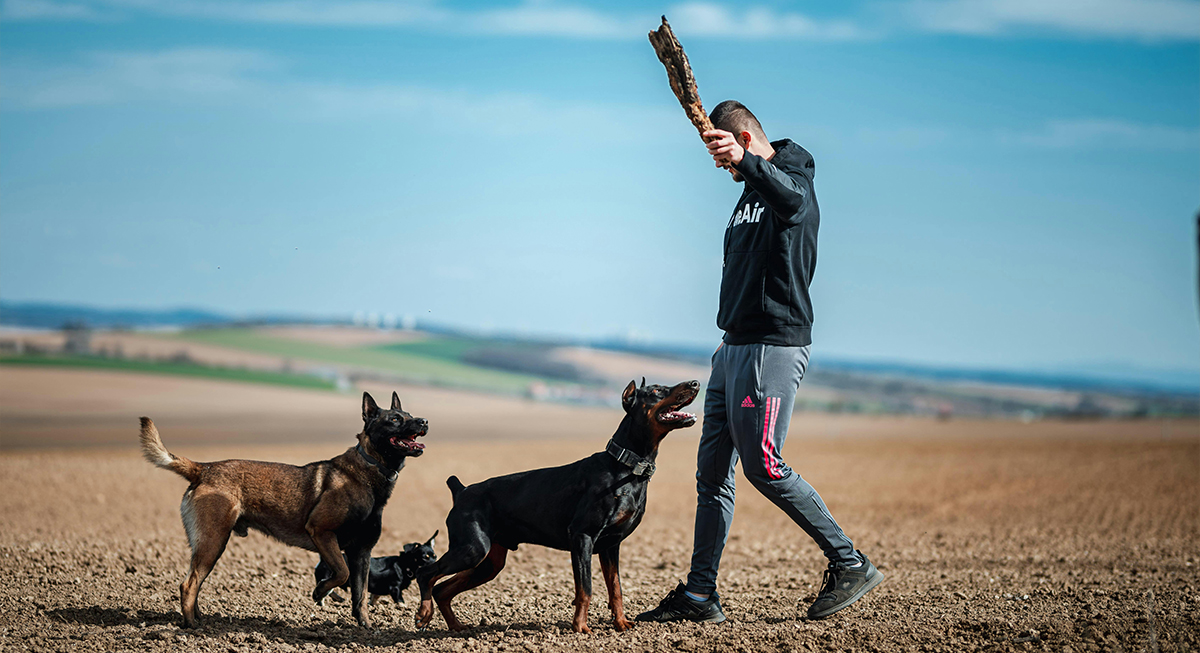
Try changing the order of the words in a command, and you may notice that some trained dogs act in a different manner. An example of this is that swapping the positions of objects in a sentence can lead to a completely different action. Experts describe this as a basic form of structure recognition.
Limits in Sound Precision
Credit: pexels
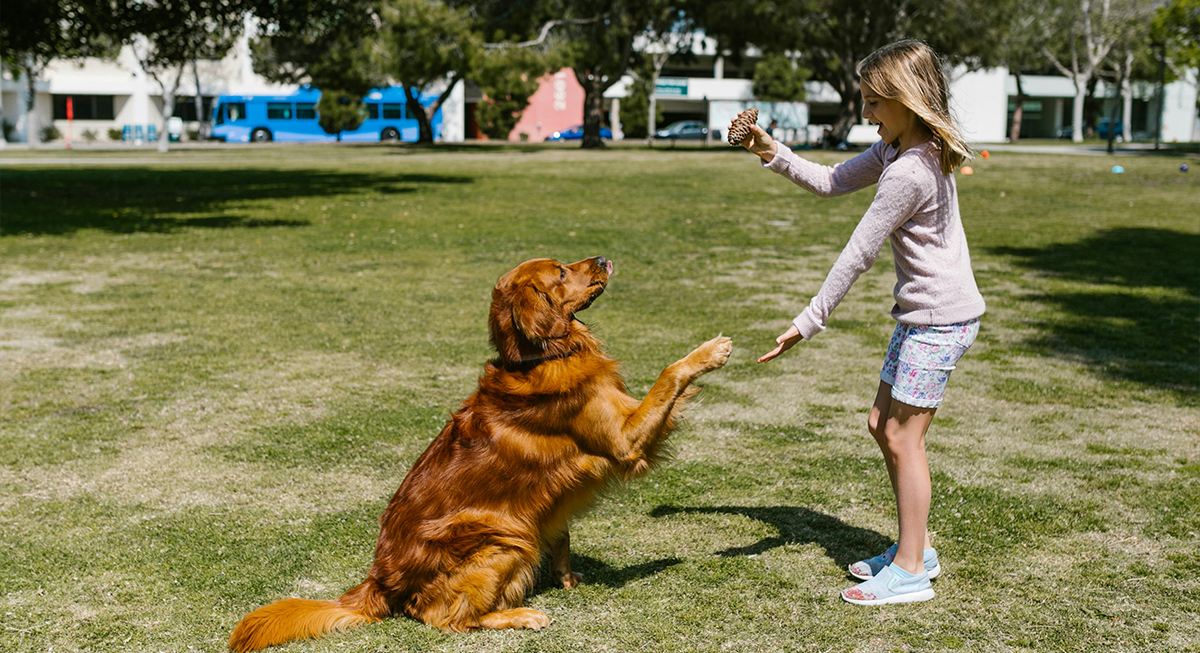
Dogs sometimes respond the same way to words that sound very similar. This is because they tend to focus on the overall sound structure rather than small differences between words. If two words sound close enough, chances are that your four-legged friend will treat them as the same cue.
Tone and Vocabulary
Credit: pexels
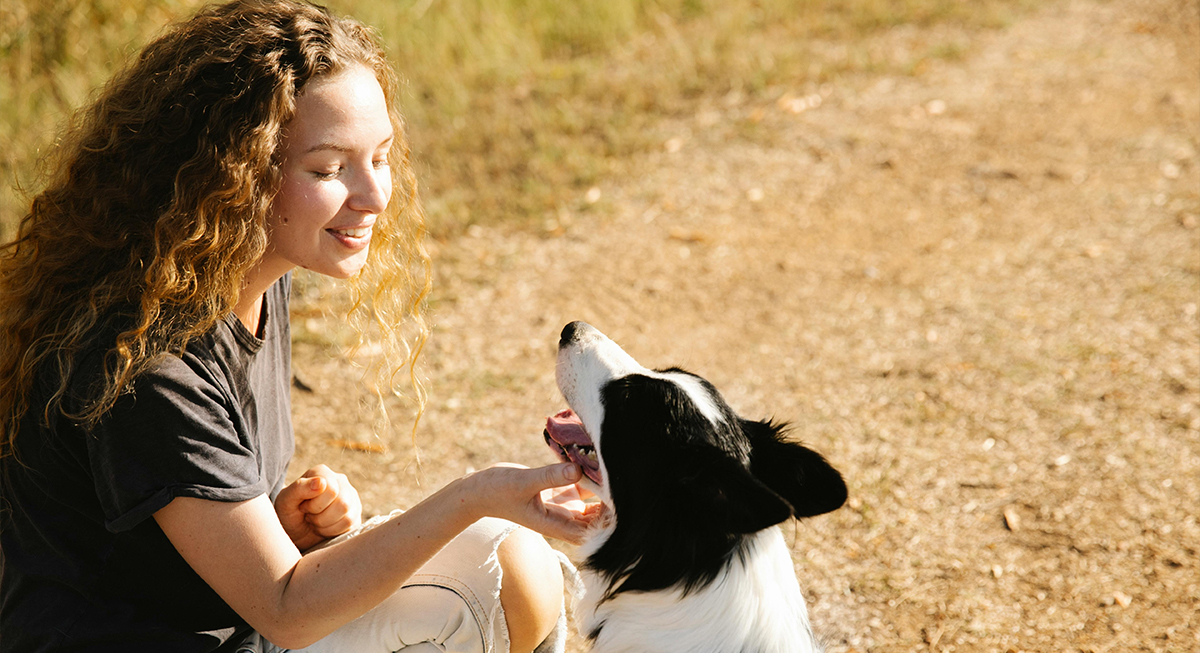
Much like humans, dogs process word meaning and tone in different parts of the brain. One region focuses on vocabulary, while another focuses on emotional delivery. Canines react most strongly when positive words match a positive tone, which explains why tone of voice plays such a strong role in communication with them.
Associating Words With Outcomes
Credit: pexels
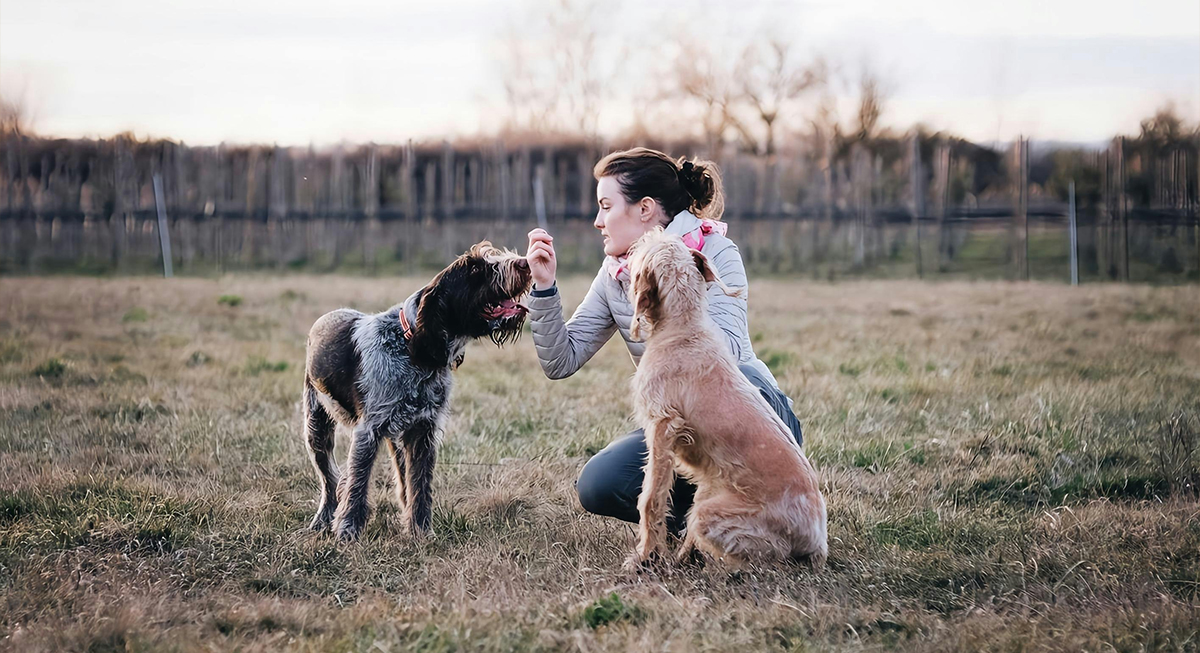
Thanks to repetitive experiences, dogs connect specific words with expected results. Hearing a known word usually leads to a predictable action, such as heading toward the door or stopping barking at a stranger. These responses develop through consistent reinforcement in daily routines. Dogs learn that certain sounds lead to certain outcomes, which helps guide their behavior.