10 Surprisingly Common Backyard Plants That Cause Vet Emergencies Every Spring
Spring gives pets a lot to explore, but many yard plants are dangerous to chew. Dogs love digging fresh soil, while cats might brush against vases and lick toxic pollen from their fur. Fortunately, owners do not need to know much to stay safe. Quick cleanups, sealed bulb bags, and swapping for safer plants should keep the season fun.
If a pet eats a toxic plant, call a vet or pet poison hotline immediately.
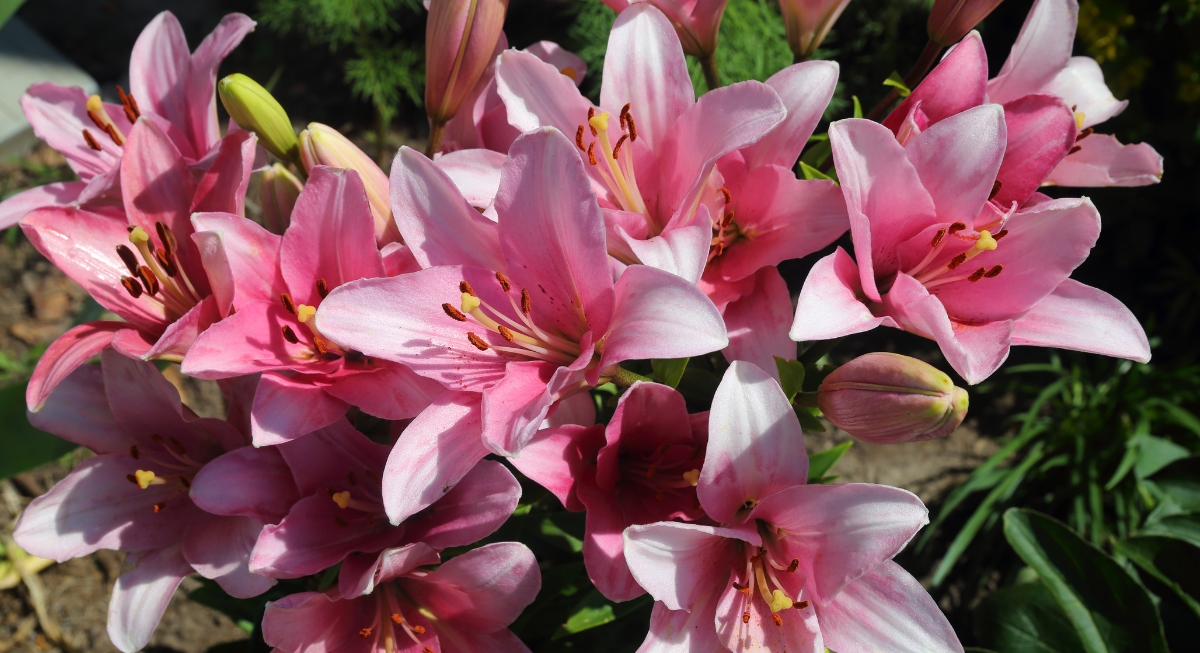
Lilies
Credit: Getty Images
Every part of these plants, including the pollen, can cause severe kidney failure in cats. This makes indoor flower bouquets highly dangerous when placed on counters, tables, or windowsills. Dogs usually have milder gastrointestinal signs than cats, but lilies are still considered toxic, and any ingestion should be taken seriously. Fortunately, pet owners can easily choose safer spring flowers instead.
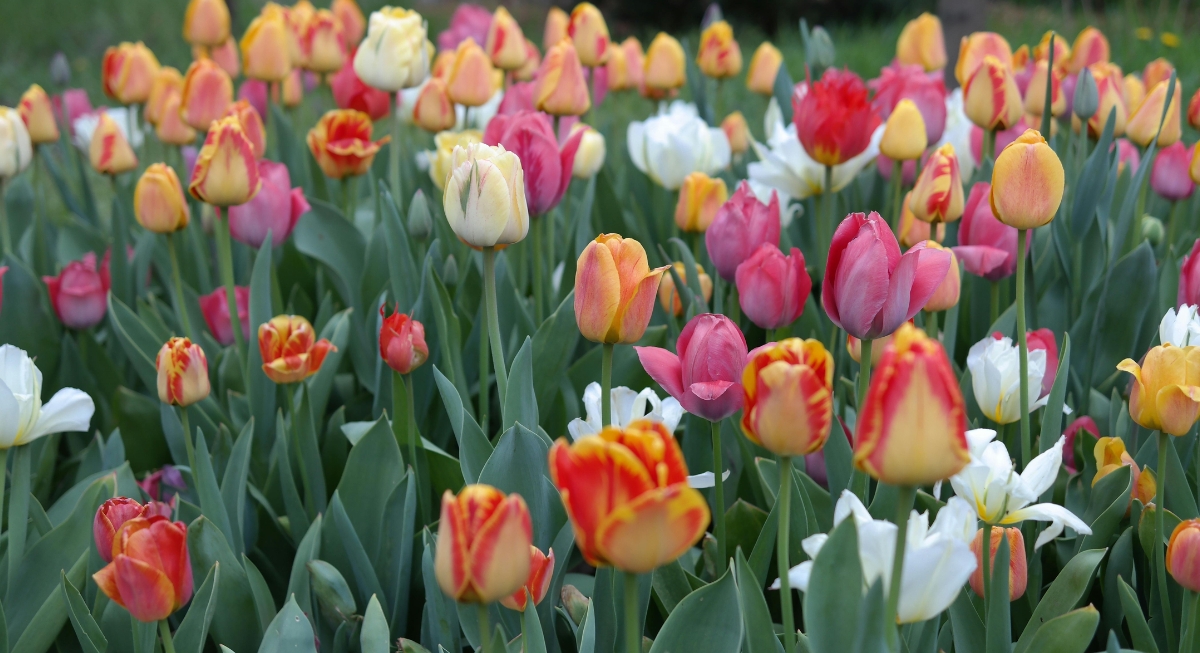
Tulips
Credit: pexels
The future flowers look beautiful, but raw bulbs could cause safety issues before they even enter the ground. Curious dogs often raid open bags, steal loose bulbs, or dig up new garden beds. Eating tulip bulbs can cause mouth irritation, drooling, vomiting, diarrhea, and other stomach problems. Gardeners should seal supply bags during breaks and cover fresh soil until dogs lose interest.
Daffodils

Credit: Wikimedia Commons
Daffodils can turn a dog’s digging habit into an emergency vet visit. The bulb is the most dangerous, but chewing the leaves or flowers also makes pets sick. Animals that eat daffodils often vomit, drool, or act weak and wobbly. Eating large amounts can also cause dangerous heart and blood pressure problems. So, keep these yellow flowers out of reach so pets cannot dig them up.
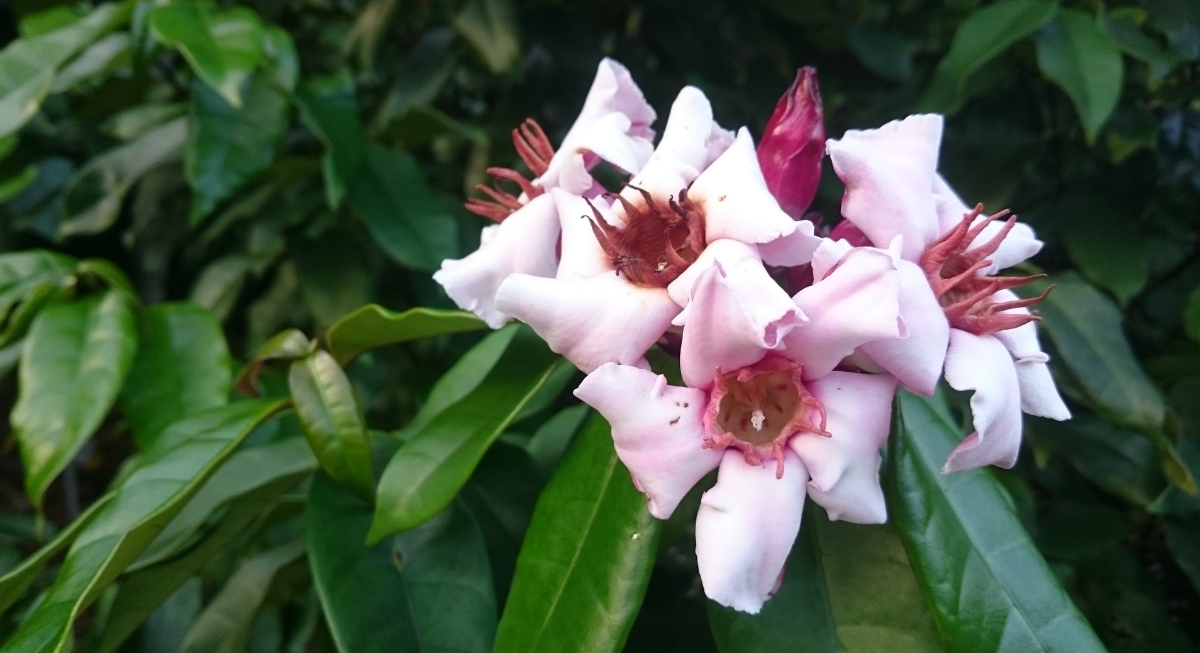
Oleander
Credit: Wikimedia Commons
This common backyard shrub is highly toxic, containing dangerous chemicals in its leaves, stems, and flowers. Pets that accidentally eat the trimmings can experience severe drooling, stomach pain, diarrhea, or worse. Fallen clippings are especially dangerous if left near a patio or fence. Always bag the plant waste immediately and keep animals inside until the entire workspace is completely clean.
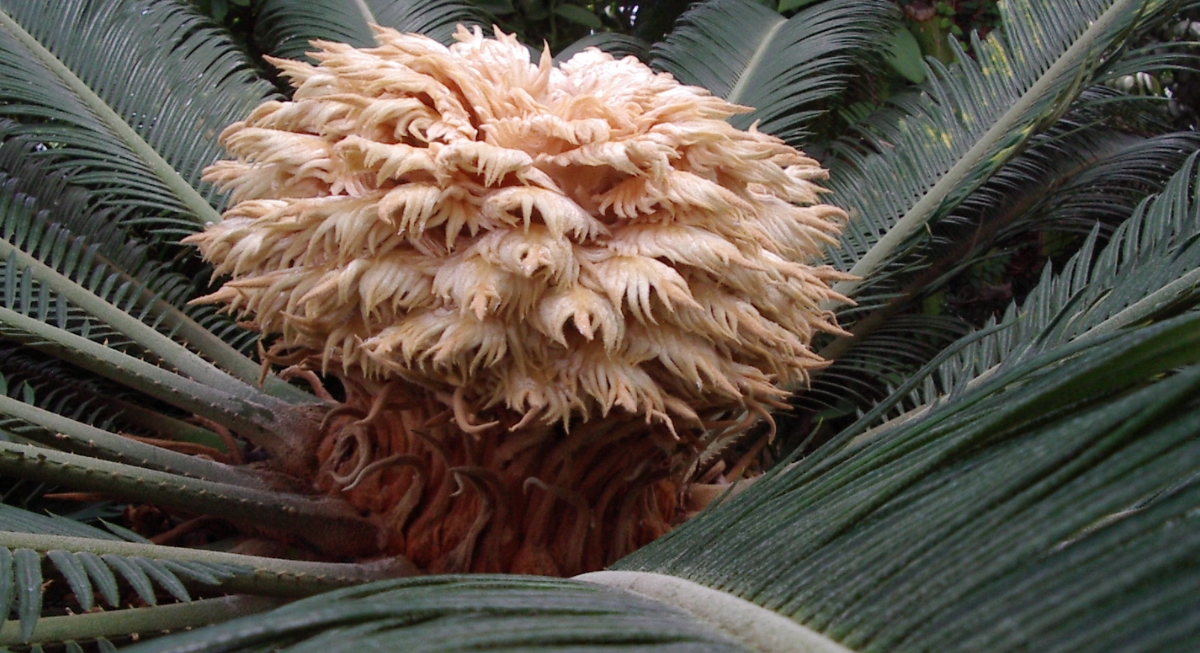
Sago Palm
Credit: Wikimedia Commons
A sago palm looks like ordinary patio greenery, which is exactly why it catches people off guard. Dogs may chew the leaves or seeds while playing outside. However, every part of this plant is highly toxic, and eating it causes vomiting and severe liver damage. If you think a dog has taken a bite, call a veterinarian or a pet poison hotline immediately, even before symptoms show up.
Azaleas
Credit: Wikimedia Commons
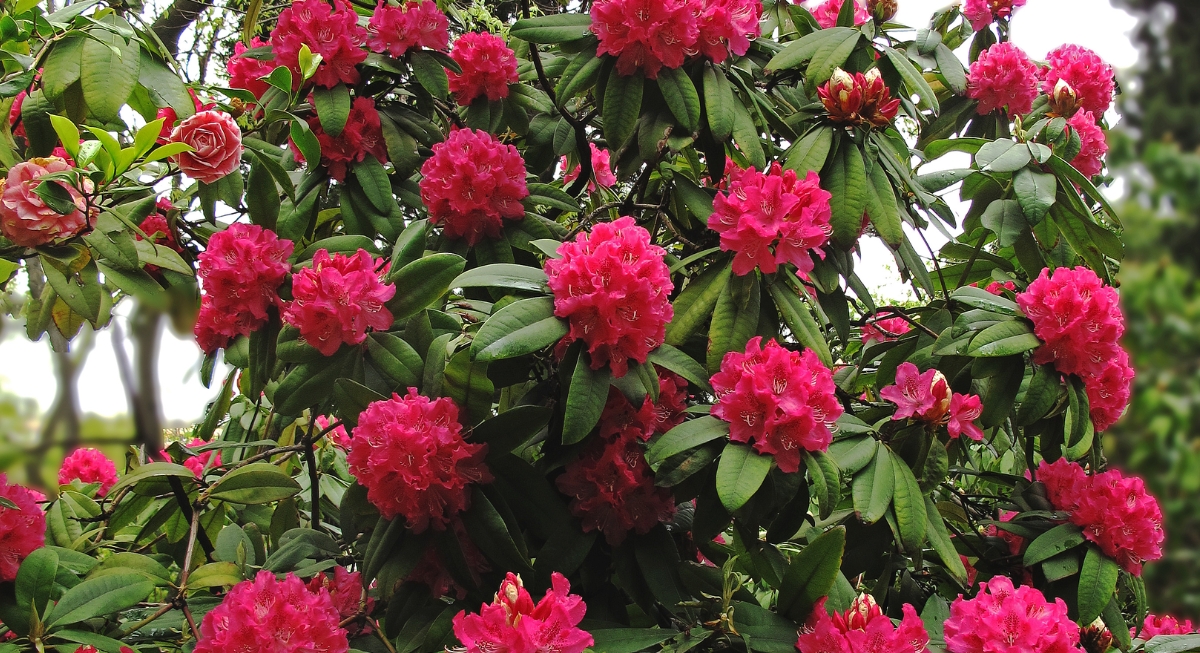
Low azalea branches grow right where dogs like to explore. These common plants contain dangerous toxins that cause drooling, vomiting, weakness, and heart problems. Because people often plant azaleas near walkways and porches, pets can reach them easily. To keep your dog safe, block off the shrubs, watch them closely during walks, and clear away any broken branches after heavy storms or yard trimming.
Foxglove
Credit: pexels
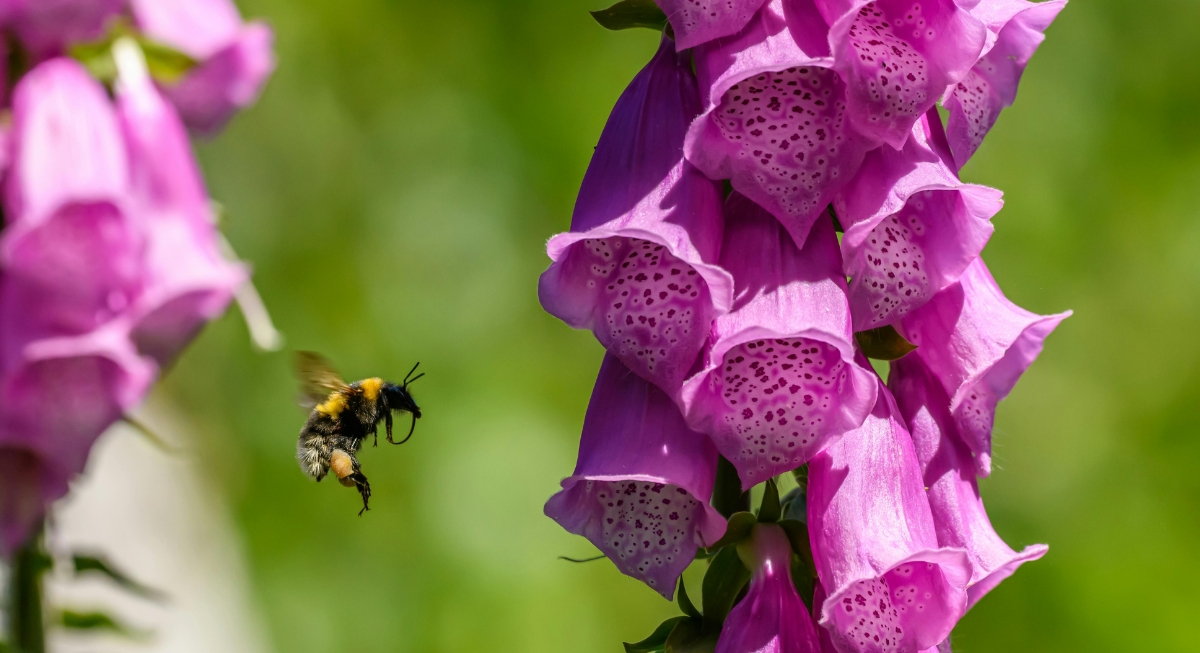
Foxglove spreads easily because its seeds drop and sprout in unexpected places. A surprise plant in a forgotten yard corner might go unnoticed until tall flowers appear. This plant contains dangerous toxins that can cause severe heart trouble if a pet chews the leaves. Dog and cat owners should pull these volunteer seedlings early and keep intentional garden patches safely fenced away from curious paws.
Lily Of The Valley
Credit: Wikimedia Commons
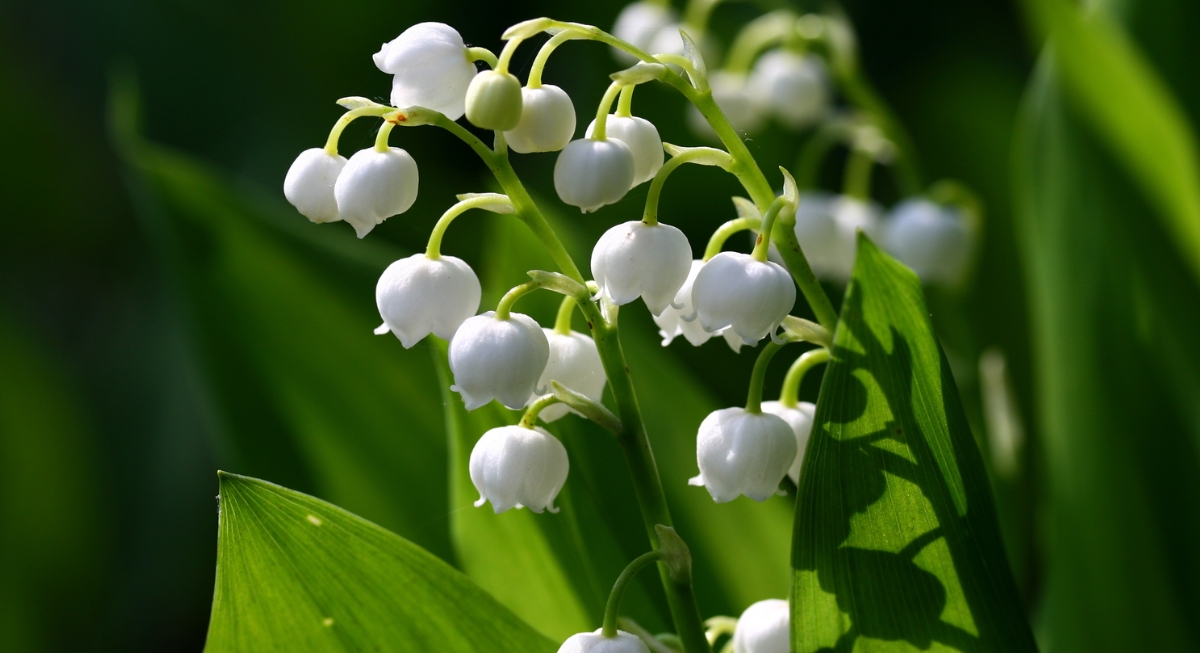
Lily of the valley might look like an innocent, decorative ground cover, but it spreads easily in shaded yards and can quickly take over small areas. Every part of the plant is toxic to pets, including the leaves, flowers, and berries, which contain compounds that can affect the heart. If eaten, it can lead to vomiting, diarrhea, weakness, and even irregular heart rhythms. It is best kept far away from dog runs, garden paths, and any spot where pets tend to nibble on plants during warmer months.
Hyacinths
Credit: Wikimedia Commons
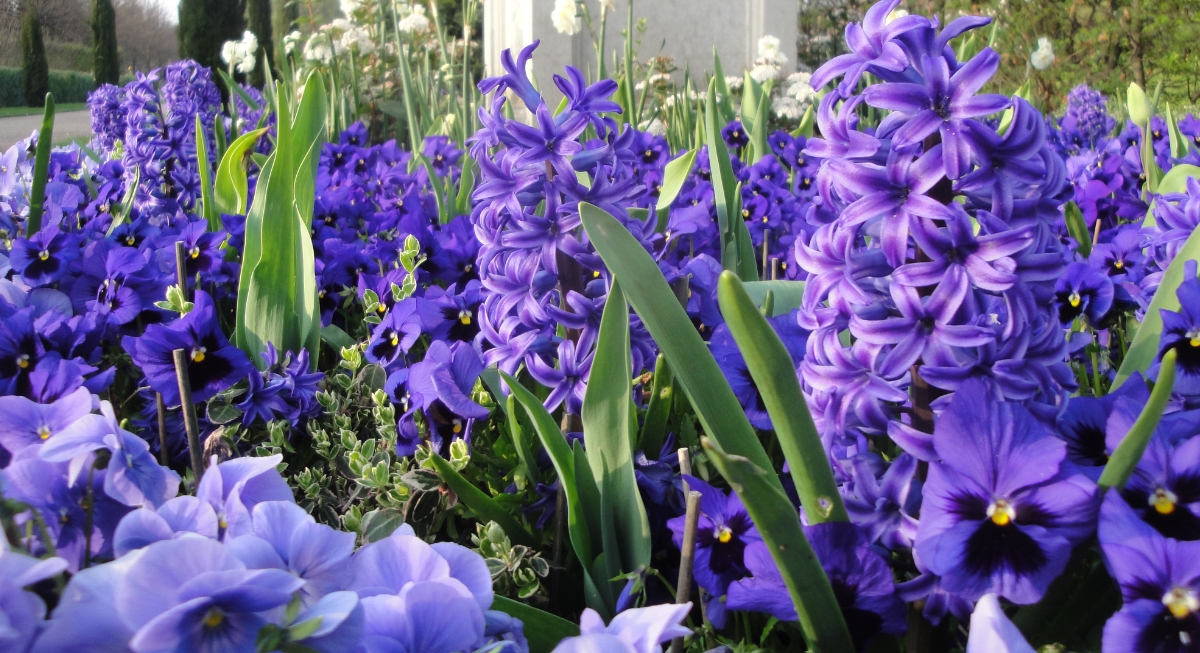
Potted hyacinths pose a unique risk because people often keep them indoors before spring. A decorative pot sits right within a pet’s reach, making it easy to tip over or dig up. The plant bulb is the most dangerous part. Chewing it can cause mouth pain, drooling, vomiting, or diarrhea. Clean up any spilled soil immediately, and place flower pots high out of reach to keep pets safe.
Hydrangeas
Credit: Wikimedia Commons
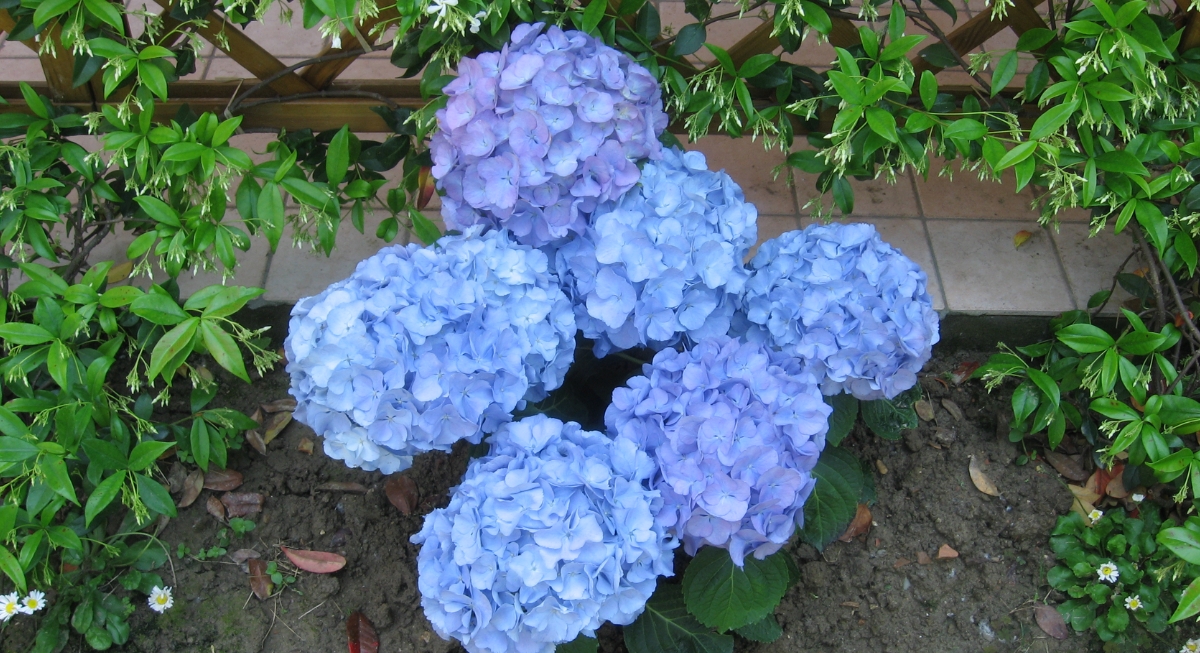
Hydrangeas are less dangerous than lilies, but they can still make puppies sick. The plant contains cyanogenic glycosides, which are more likely to cause an upset stomach than severe poisoning. Chewing the leaves or flowers often leads to vomiting, diarrhea, and tiredness. To protect your pet, pick up fallen blooms after storms or yard work. Always give young dogs safe chew toys so they stay away from the garden plants.