10 Things Every Owner of a Pot-Bellied Pig Wishes They Had Asked the Breeder First
People often focus on the tiny piglet stage when buying a pot-bellied pig and overlook the long-term reality of ownership. Many first-time owners later discover that size, diet, behavior, zoning laws, veterinary care, and socialization require far more preparation than expected. The most important questions should happen before the sale, because a knowledgeable breeder will be honest about the difficult parts as well. Pot-bellied pigs are intelligent, emotional, stubborn animals with long lifespans and highly specific care needs that many buyers underestimate at first.
How Big Will the Pig Be at Full Size?
Credit: Getty Images
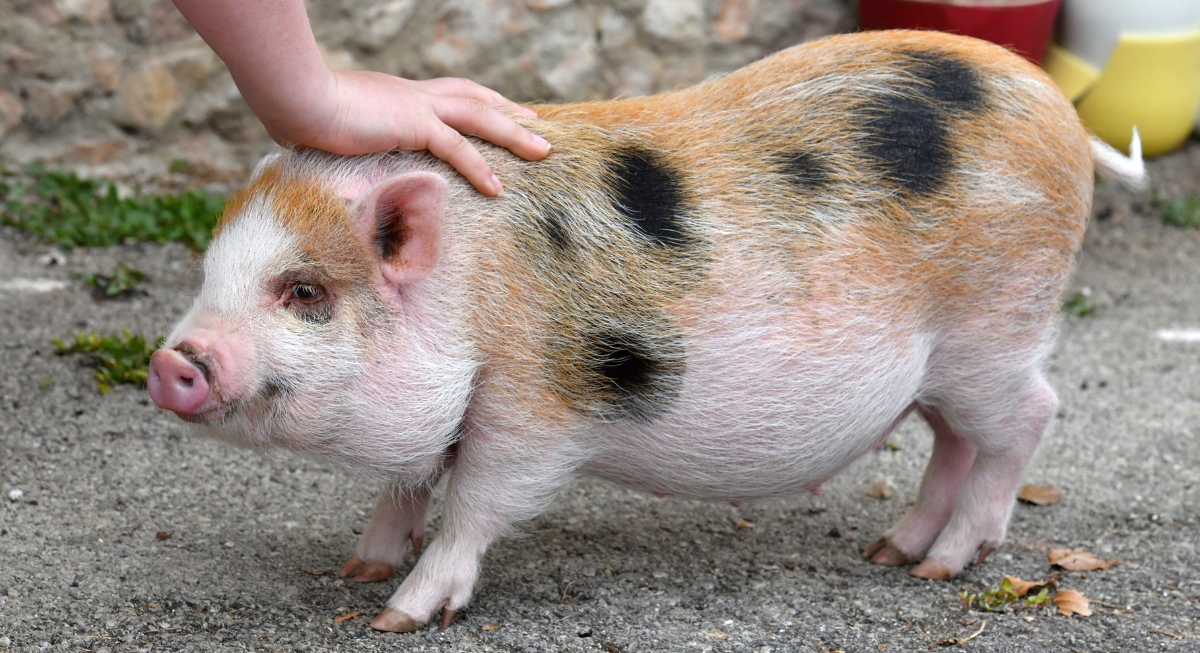
Breeders can hold a tiny piglet in one arm and casually describe it as “micro” or “teacup,” even though adult weight may eventually climb past 100 pounds. Asking to see the parents matters because mature body structure tells a more honest story. A healthy adult pot-bellied pig still has noticeable bulk, thick legs, and a solid torso. Some breeders also use underfed piglets to keep them artificially small during sales.
Can You Show Proof of the Piglets’ Ages and Weights?
Credit: pexels
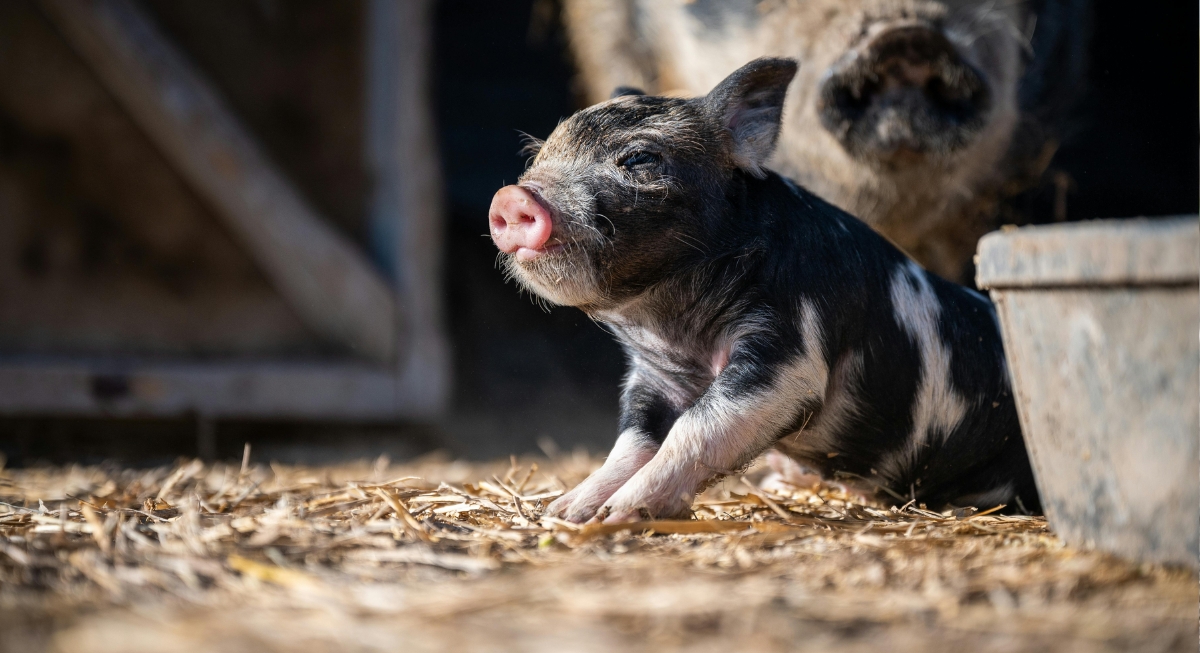
Seeing the parents alone can still create a false impression of a pig’s future size. A breeder may show a “small adult” pig that is actually still young and growing, or use camera angles that make the animal appear much smaller. Asking for verified ages and weights forces measurable facts instead of sales language.
What Does “Mini” Actually Mean in Your Breeding Program?
Credit: pexels
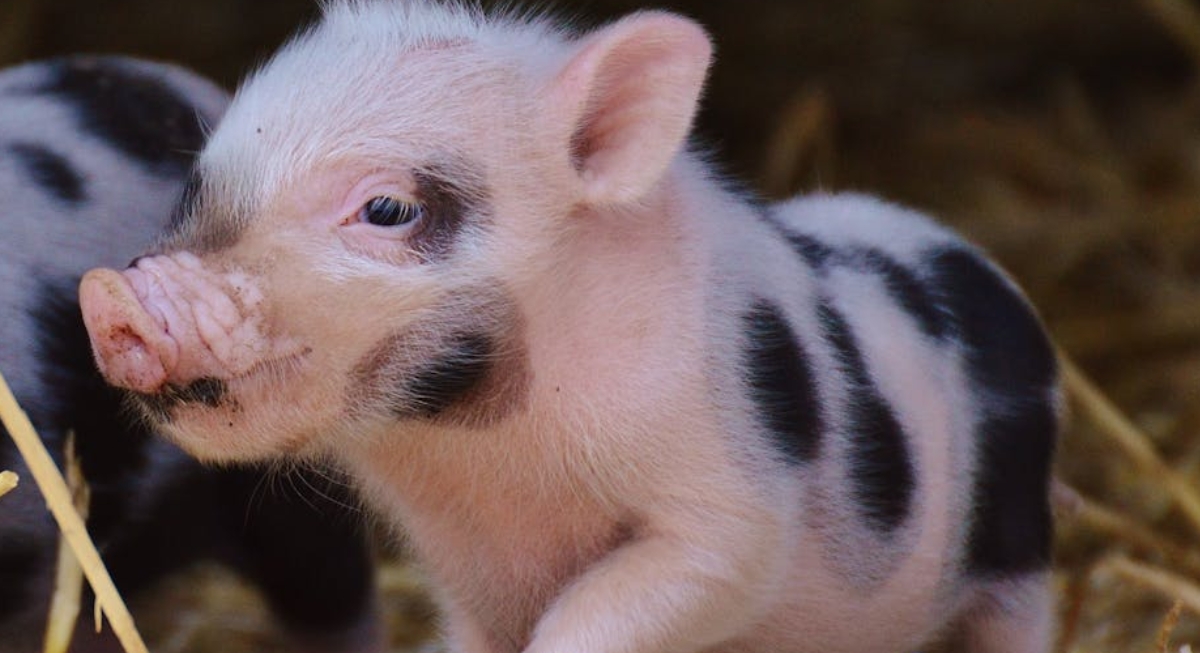
The term “mini pig” causes endless confusion because it has no strict universal standard in the pet trade. One breeder may use it for a 70-pound pig while another applies it to pigs well over 150 pounds. Some sellers rely heavily on marketing phrases instead of discussing actual adult measurements or bloodlines. Buyers should ask exactly how the breeder defines the term and whether adult offspring from previous litters can be documented.
Has This Piglet Been Socialized Around People?
Credit: Getty Images
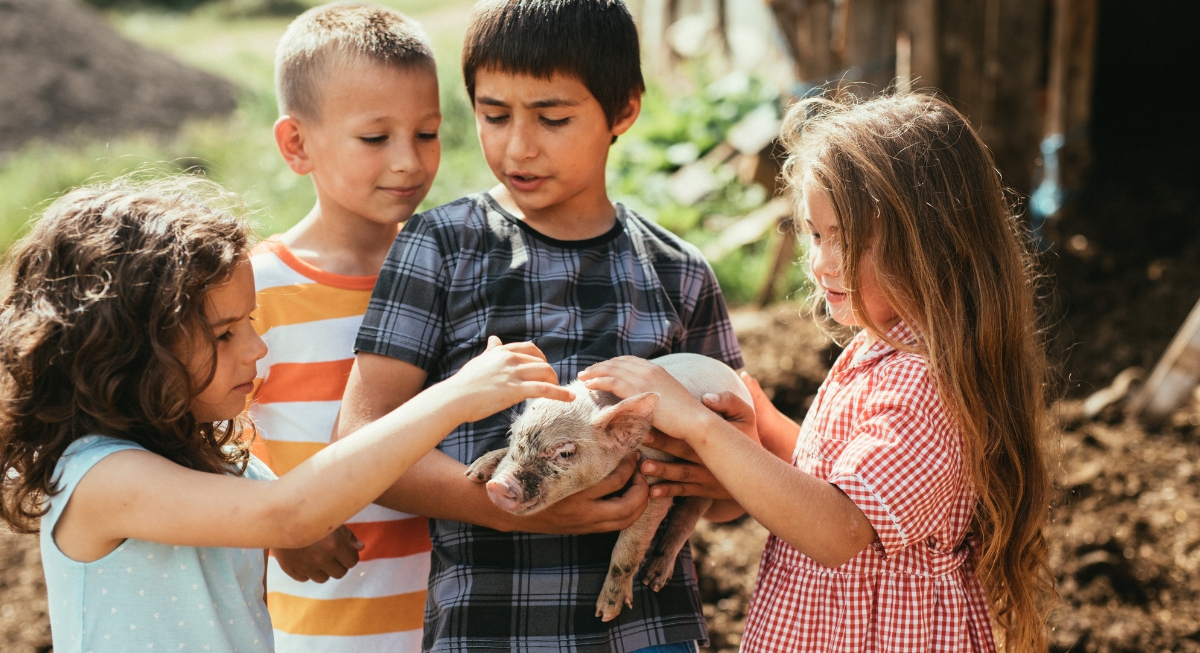
Pot-bellied pigs are intelligent animals with strong personalities, excellent memory, and surprisingly emotional reactions to stress. A poorly socialized piglet may become fearful, territorial, or difficult to handle once it leaves the breeder’s property. Knowing about human interaction early in the pig’s life helps buyers understand how much work may be needed later.
What Diet Has the Piglet Been Eating So Far?
Credit: Getty Images
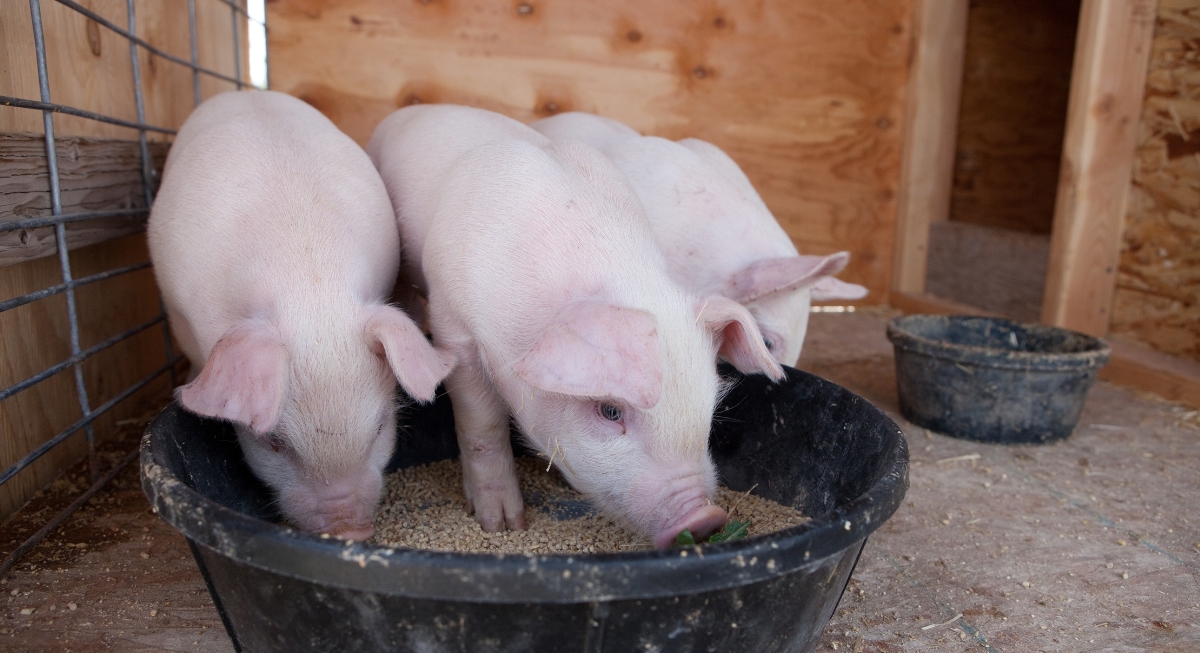
Diet questions become important quickly because pot-bellied pigs gain weight very easily and can develop serious health problems from improper feeding. Some new owners accidentally overfeed piglets after hearing misleading advice about keeping them cute and small. Others unknowingly continue unhealthy breeder feeding habits without realizing nutritional deficiencies may already exist. Asking for the exact feeding routine creates consistency during the transition and helps prevent digestive stress.
Is the Piglet Spayed, Neutered, or Scheduled for Surgery?
Credit: pexels
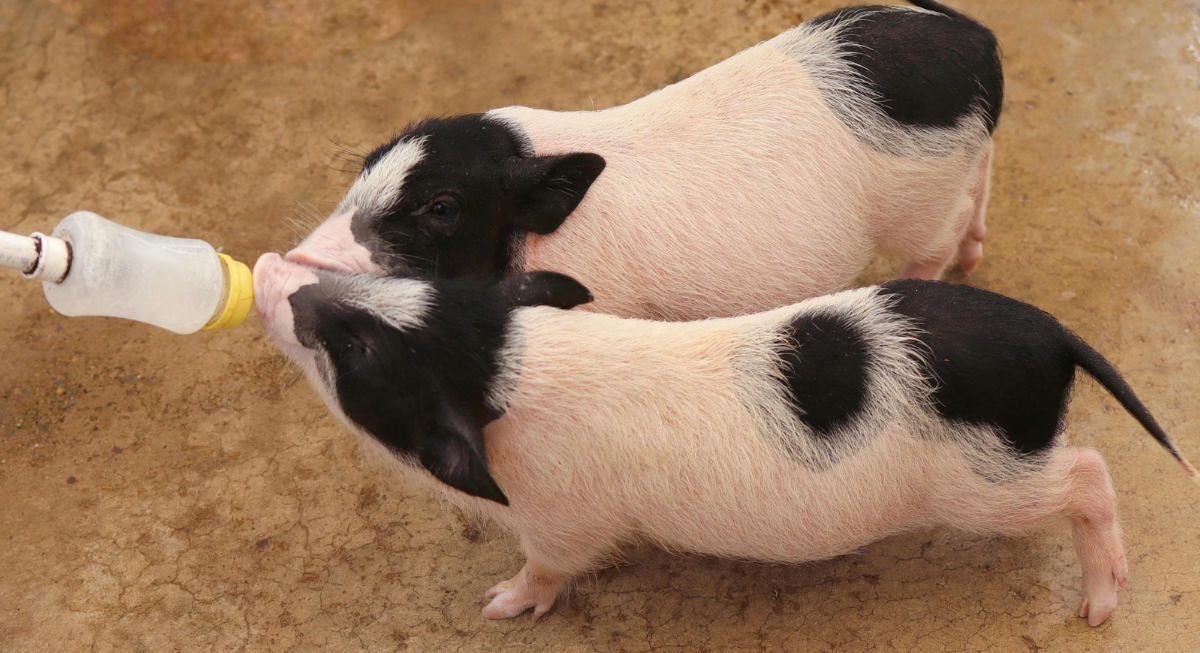
Pigs that are not spayed or neutered can become much harder to manage as they grow older. Male pigs may turn territorial and aggressive, while females face a higher risk of reproductive health problems later in life. Responsible breeders usually explain the sterilization plan early, including when the procedure will happen and which veterinarian handles it, since many clinics do not regularly treat pot-bellied pigs.
What Health Records and Vaccinations Come With the Piglet?
Credit: Getty Images
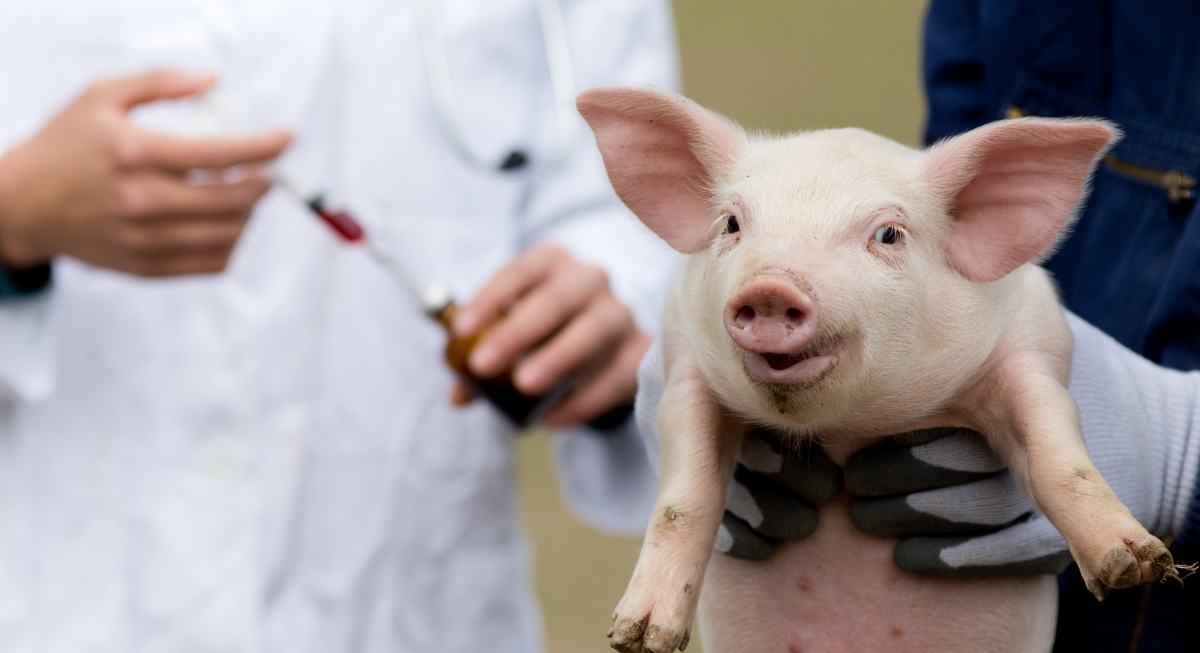
Many first-time pig owners assume veterinary care is like that of a cat or dog. It’s a little more complicated. Not every veterinarian treats pot-bellied pigs, and medical problems may be harder to diagnose when records are incomplete. Buyers should ask for vaccination details, parasite treatment history, birth records, and any known genetic concerns within the bloodline. A breeder who struggles to provide basic documentation may also be careless in other areas of care.
Do Local Zoning Rules Allow Pet Pigs Where I Live?

Credit: pixelshot
Some cities classify pot-bellied pigs as livestock regardless of their size or indoor lifestyle, which can create legal trouble for owners who assume pigs automatically count as pets. Neighborhood restrictions, homeowner association rules, and local ordinances may all affect the legality of ownership. Rescue organizations regularly receive surrendered pigs from owners forced to rehome animals after zoning conflicts appear.
What Kind of Outdoor Space Will This Pig Need?
Credit: pexels
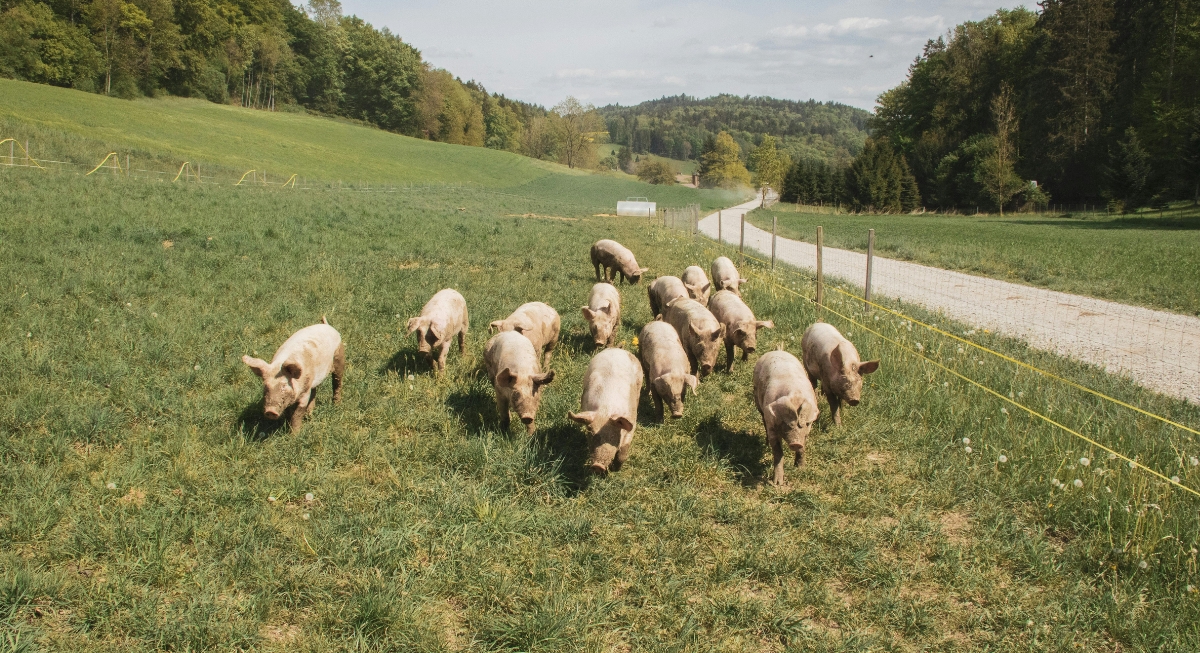
Pot-bellied pigs may live indoors part-time, but they still need opportunities to root, explore, and move naturally outside. Buyers sometimes imagine a pig behaving like a small apartment dog, only to feel overwhelmed when boredom-driven behavior starts damaging floors, furniture, or landscaping. You need to ask about outdoor needs to help set realistic expectations. Safe fencing, shade, mud access during warm weather, and stimulation all matter.
Will You Take the Pig Back if Ownership Does Not Work Out?

Credit: Getty Images
Responsible breeders usually care where their pigs end up and often agree to help rehome or reclaim animals if circumstances change. Others disappear completely after the sale is finished. Some families underestimate the responsibility and get overwhelmed. A breeder who remains involved after the sale usually handles pig placement more carefully from the beginning. The answer also gives buyers reassurance that support may exist if unexpected problems arise later.