Rare Zoo Births of Late 2025 and Early 2026 That Conservationists Had Almost Given Up Hoping For
For zoo conservation teams, certain births take years of planning, genetic matching, careful introductions, and constant monitoring before they finally happen. Late 2025 and early 2026 brought several of those rare arrivals. One came after a 25-year wait, while the other involved a species with only about 50 individuals in accredited zoos in North America. From endangered calves to tiny primates, each birth gave struggling conservation programs something they badly needed: hope for survival.
Asian Elephant Calf At Smithsonian’s National Zoo
Credit: Wikimedia Commons
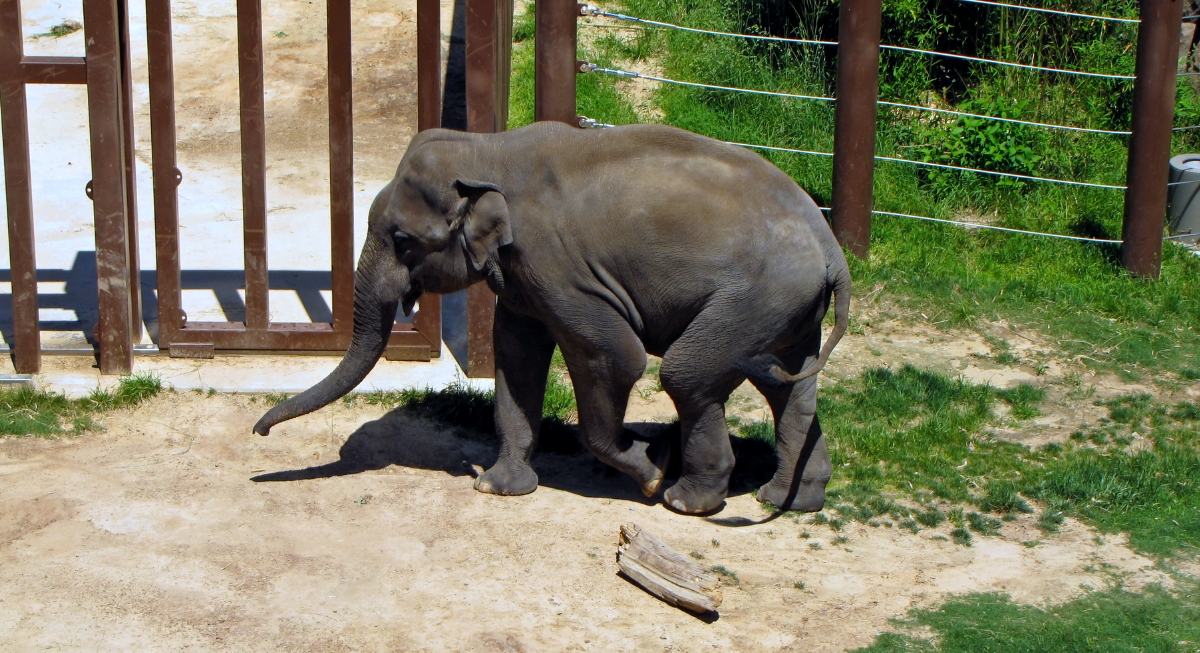
Linh Mai arrived at the Smithsonian’s National Zoo on February 2, 2026, and instantly ended a nearly 25-year wait for an Asian elephant birth there. Her mother, Nhi Linh, gave birth after a carefully recommended pairing with Spike. The calf’s name, chosen through a public vote, means “spirit blossom” in Vietnamese and helped raise more than $58,000 for elephant conservation.
Sloth Bear Cubs At Smithsonian’s National Zoo
Credit: Wikimedia Commons
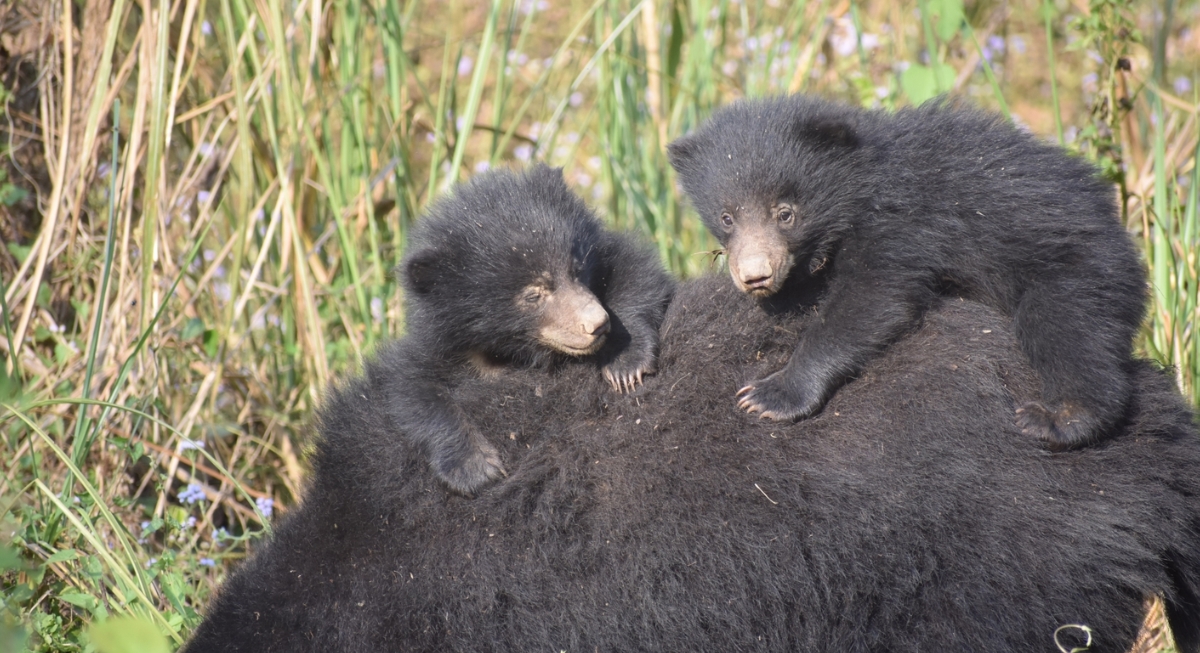
Two sloth bear cubs were born at the Smithsonian’s National Zoo on December 7, 2025. The births marked the zoo’s first sloth bear cubs in years. Sloth bears reproduce slowly, and cub survival can be unpredictable, so two healthy cubs mattered to the species’ conservation efforts. Their mother, Molly, cared for them behind the scenes while animal care staff closely watched their early development and gave the family space to adjust naturally.
Pygmy Slow Loris At The Bronx Zoo
Credit: Wikimedia Commons
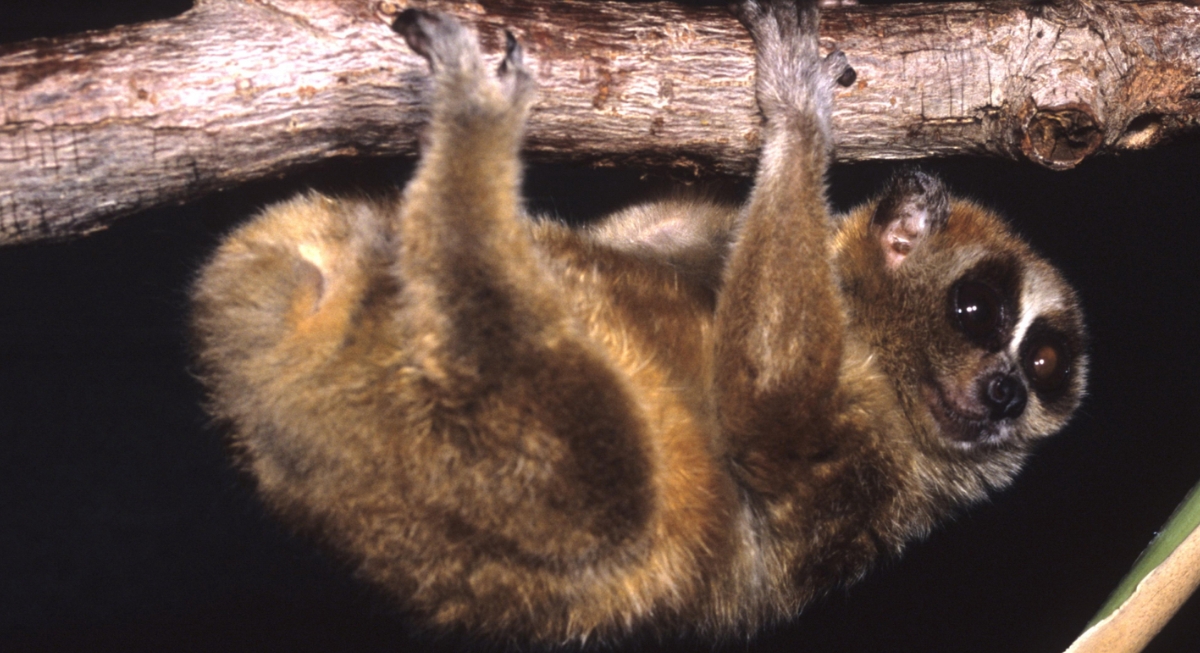
A pygmy slow loris born at the Bronx Zoo on December 13, 2025, was tiny enough to overlook at first glance. The birth itself carried much more weight. The infant became the first primate born in the zoo’s reopened World of Darkness exhibit and joined a North American accredited zoo population of only about 50 pygmy slow lorises.
Giant Otter Triplets At Chester Zoo
Credit: Wikimedia Commons
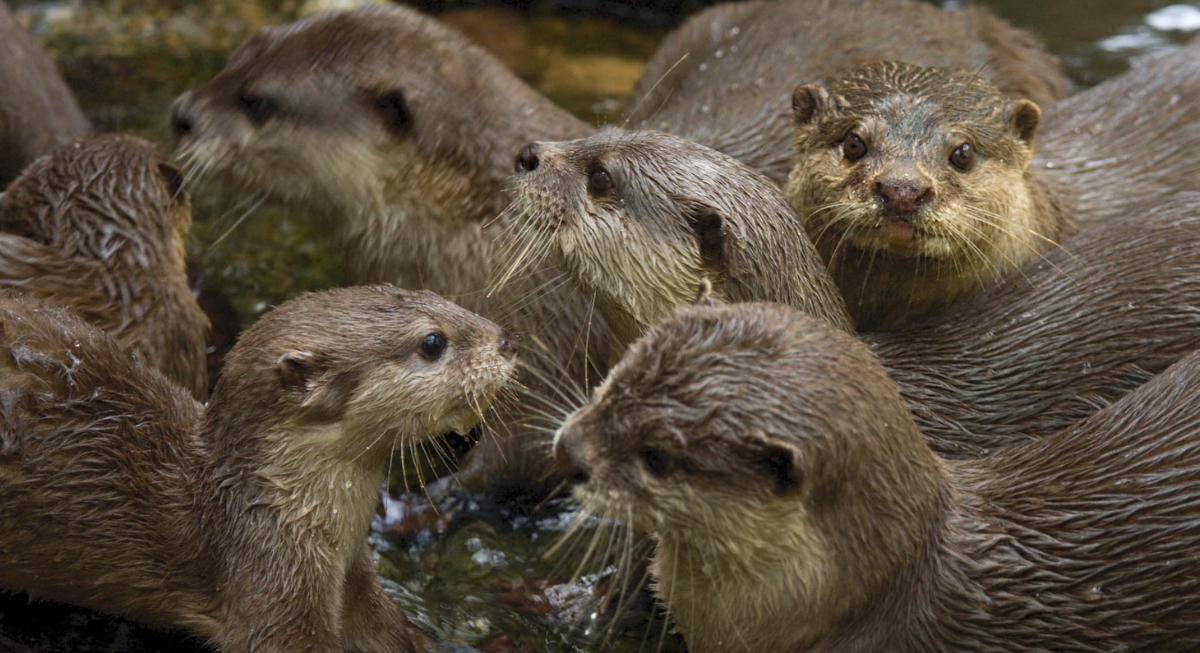
Giant otters are powerful river predators, yet only about 6,000 are estimated to remain across South America. Chester Zoo welcomed three of its pups in early 2026. They were the first giant otters born there in seven years. The triplets, two males and one female, remained tucked away with first-time parents Bonita and Manu before health checks confirmed they were thriving.
Eastern Black Rhino Calf At Lincoln Park Zoo
Credit: Wikimedia Commons
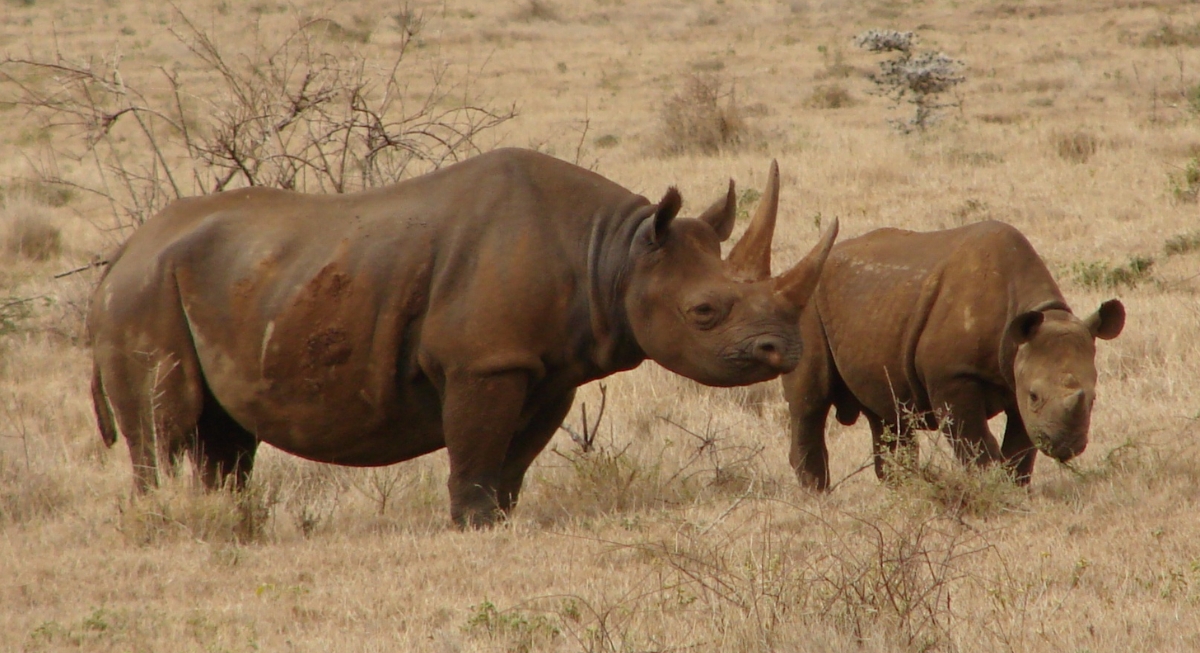
Kapuki, a 20-year-old eastern black rhinoceros at Lincoln Park Zoo, gave birth to a female calf on March 19, 2026. The newborn weighed around 60 pounds and took her first steps about 90 minutes after birth. Eastern black rhinos once suffered a 98% population crash between 1960 and 1995, driven largely by poaching.
African Penguin Chicks At The Maryland Zoo
Credit: Wikimedia Commons
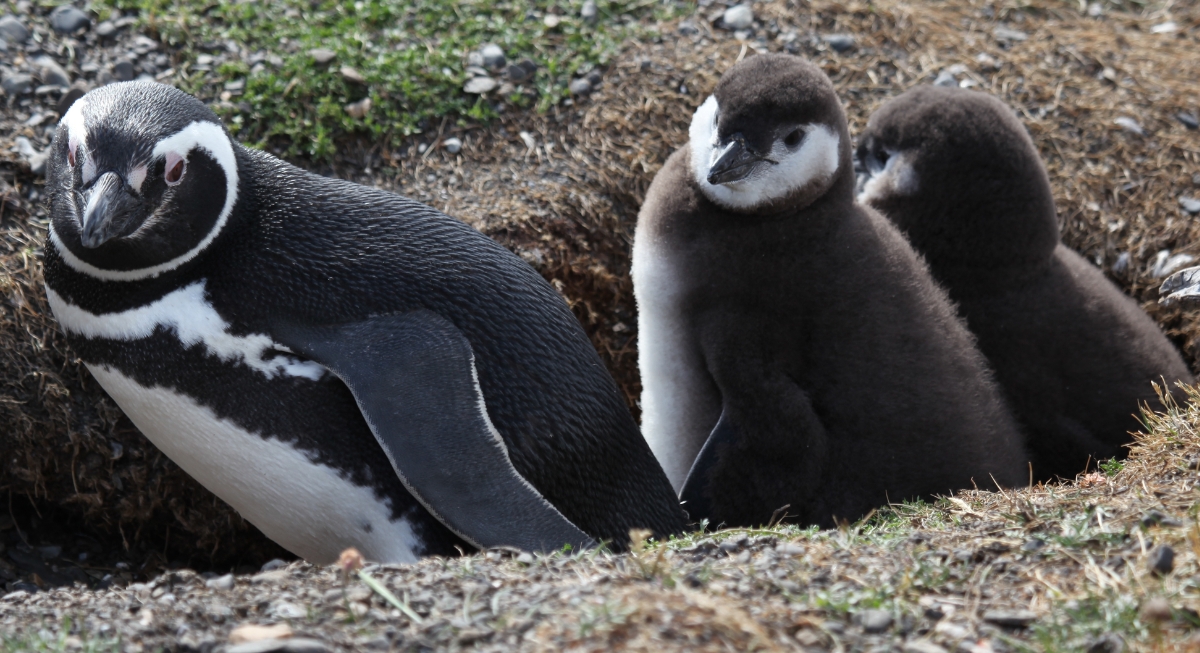
The Maryland Zoo hatched eight African penguin chicks during its 2025 breeding season. There are Kiwi and Cayenne, and a few other names, added to the largest African penguin population in North America. This birth story is about volume, timing, and urgency, since the species was reclassified as critically endangered and faces a steep decline in the wild.
Sumatran Tiger Cub at the Oklahoma City Zoo
Credit: Wikimedia Commons
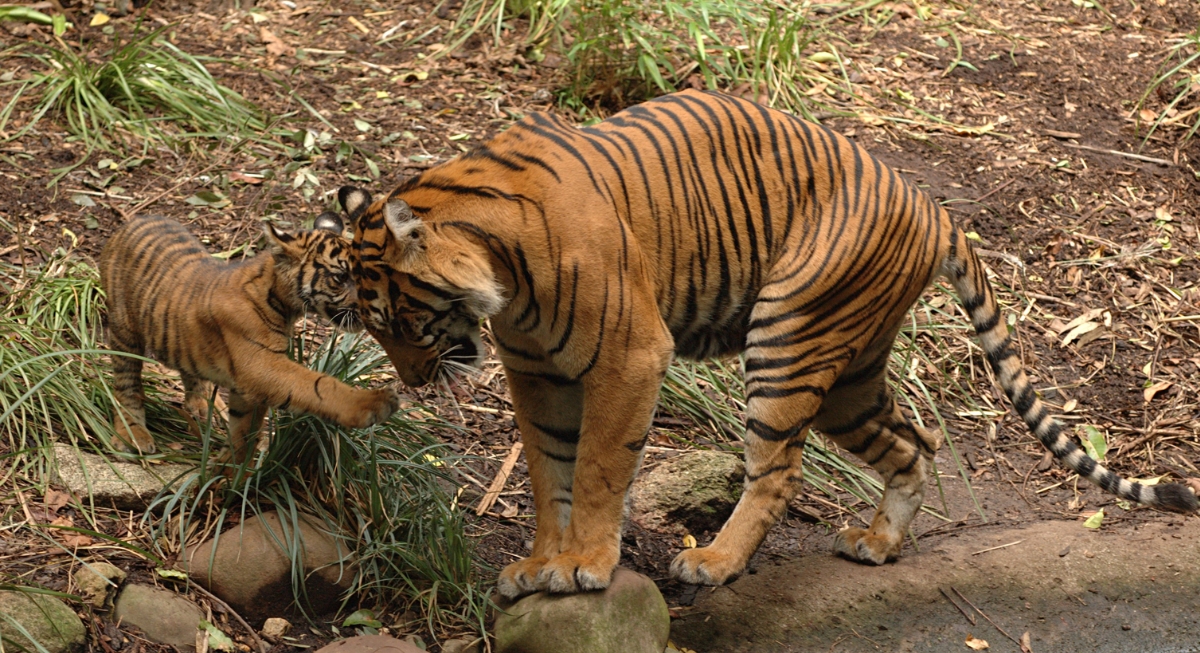
With fewer than 400 Sumatran tigers left in the wild, one healthy cub carries serious weight. A Sumatran tiger cub was born at the Oklahoma City Zoo on December 15, 2025, to Lola and Badar. Lola had already played a major role in the zoo’s tiger program, and this birth was described as her third and likely final litter there.
Bornean Orangutan Infant At Los Angeles Zoo
Credit: Wikimedia Commons
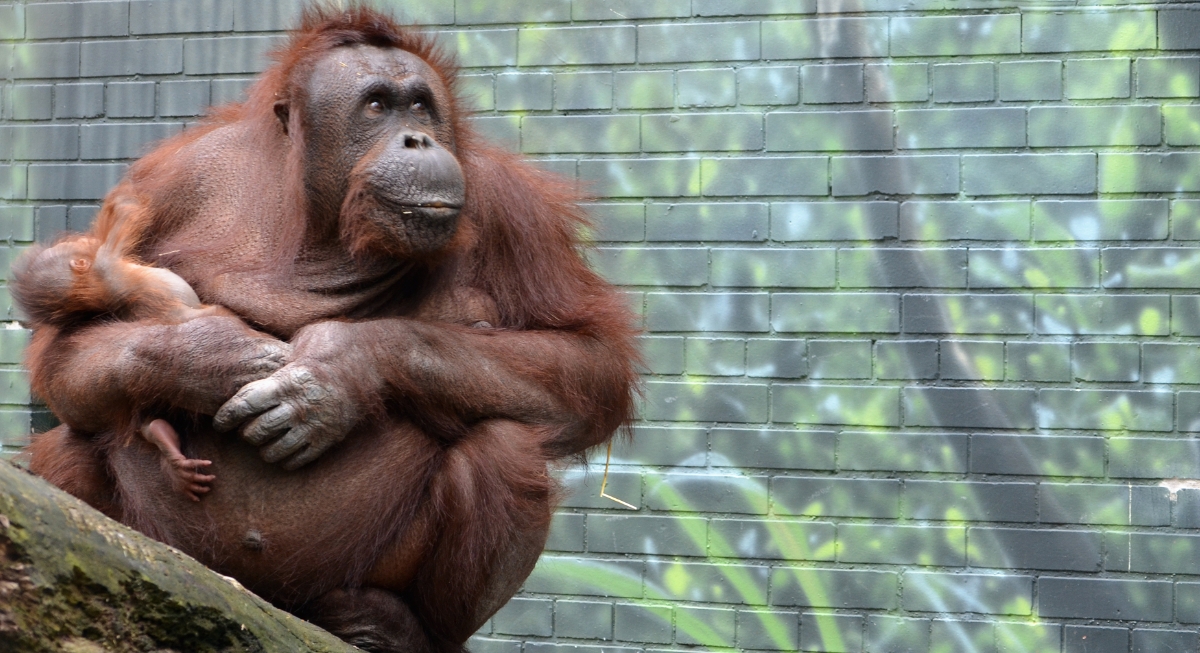
October 2025 marked the Los Angeles Zoo’s first orangutan birth in nearly 15 years. They welcomed a male infant, born to 43-year-old Kalim and 31-year-old Isim. Their pairing was shaped by species-survival planning. With orangutans, mothers invest years in raising one infant before another birth becomes possible.
Amur Leopard Cub At Dartmoor Zoo
Credit: Facebook
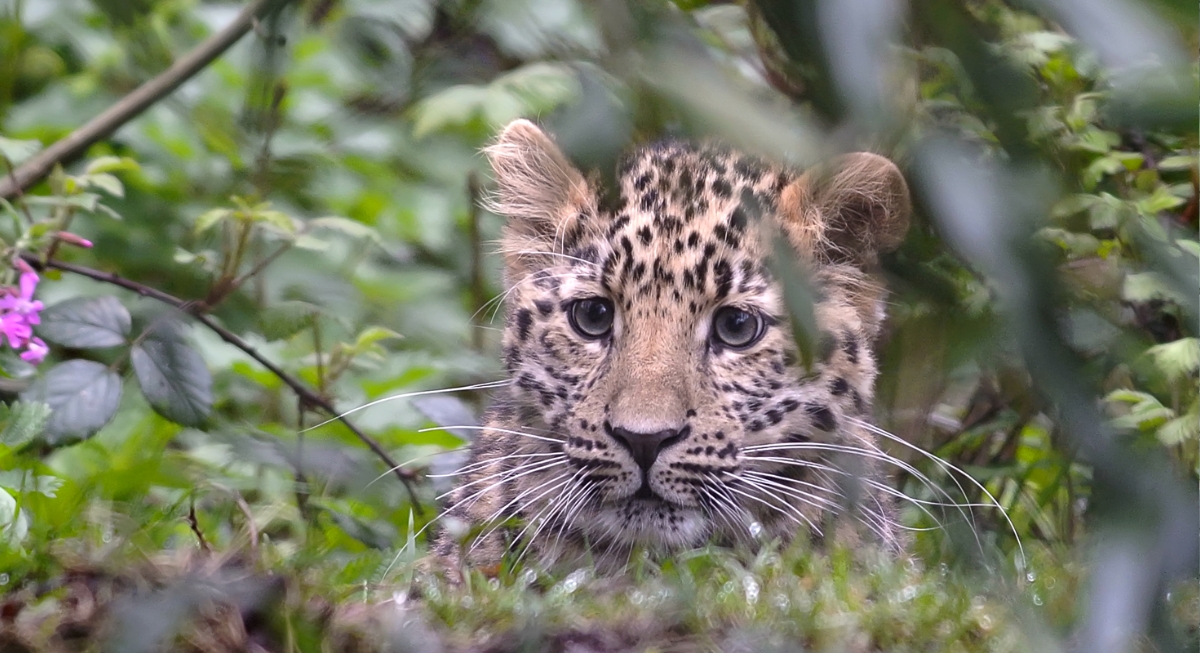
Dartmoor Zoo’s Amur leopard cub was born on September 29, 2025, after years of planning and the arrival of Lena from Colchester Zoo in 2024. The cub was the first for Dartmoor Zoo and one of only 15 Amur leopards born globally in 2025. For one of the rarest big cats on Earth, that single cub mattered far beyond Devon.
Pileated Gibbon At Twycross Zoo
Credit: Wikimedia Commons
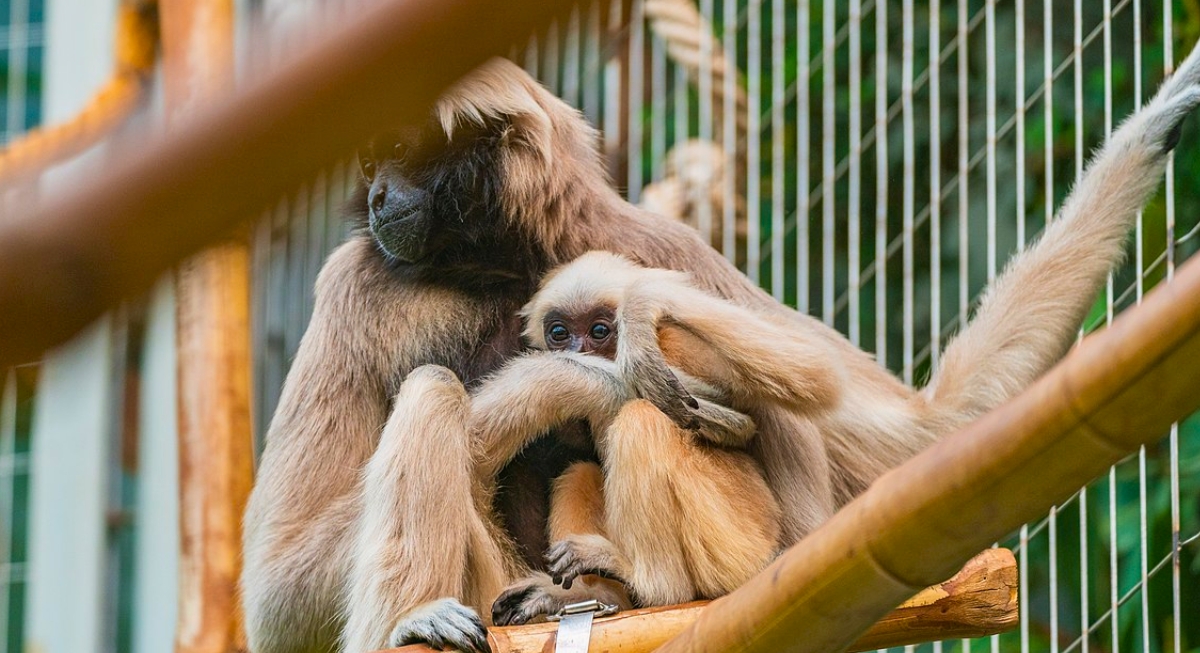
Twycross Zoo started 2026 with the birth of an endangered pileated gibbon. The newborn carried added importance because its genes are not overrepresented in the European population. That makes the infant especially valuable for long-term breeding plans. The focus is not just on increasing numbers now, but on keeping the future population genetically healthy.