The Pre-Vet Checklist New Puppy Parents Almost Never Hear About
Veterinarians consistently stress one thing new owners underestimate: choosing the right puppy is just as important as preparing the house. Energy level, size, shedding, trainability, noise tolerance, and compatibility with kids or other pets are all factors in daily life once the excitement fades.
A high-energy working breed in a tiny apartment can quickly become stressful, especially for first-time owners expecting a laid-back companion. Thus, several factors should be considered when preparing for a new puppy.
Your Vet Is Already Thinking About Worms
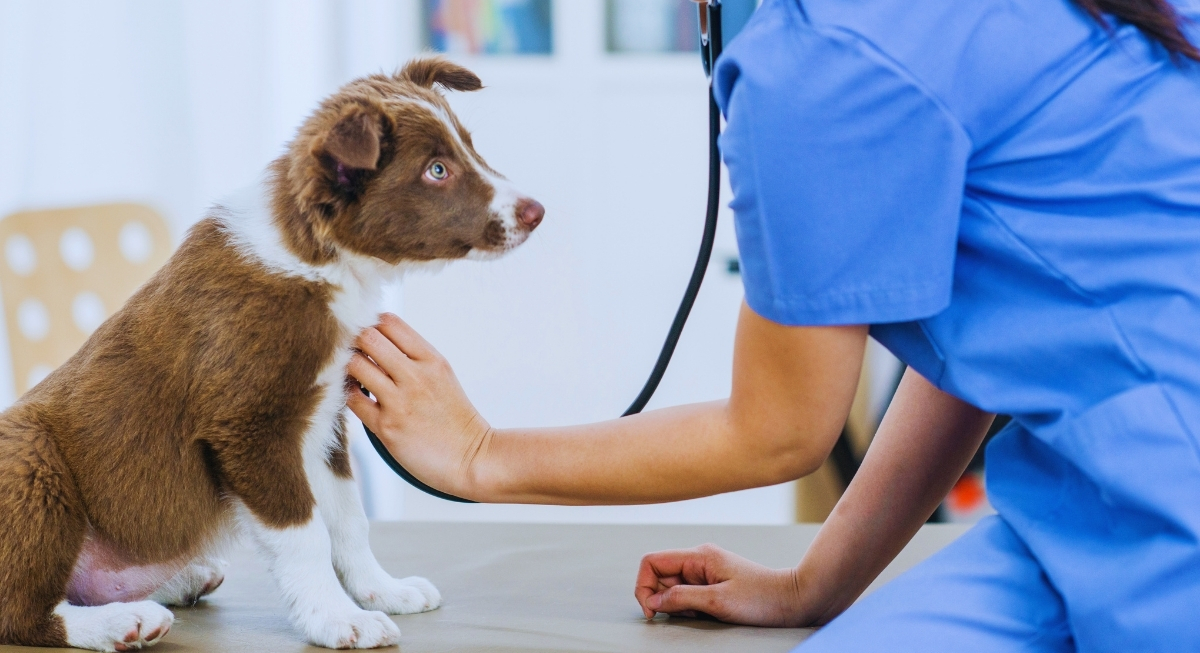
Image via Getty Images/FatCamera
Most new puppy owners focus on vaccines, but vets usually think first about parasites. Roundworms and hookworms are common in puppies because they can be passed directly from the mother.
Many veterinarians assume every puppy has internal parasites until proven otherwise. That’s why stool testing and multi-dose deworming schedules happen early in puppy care.
Deworming treatments work alongside the parasite life cycle, which is why puppies often receive treatments every couple of weeks during their first months. This is also the reason many clinics ask owners to bring a fresh stool sample to the first appointment.
Vaccines Are Very Complicated
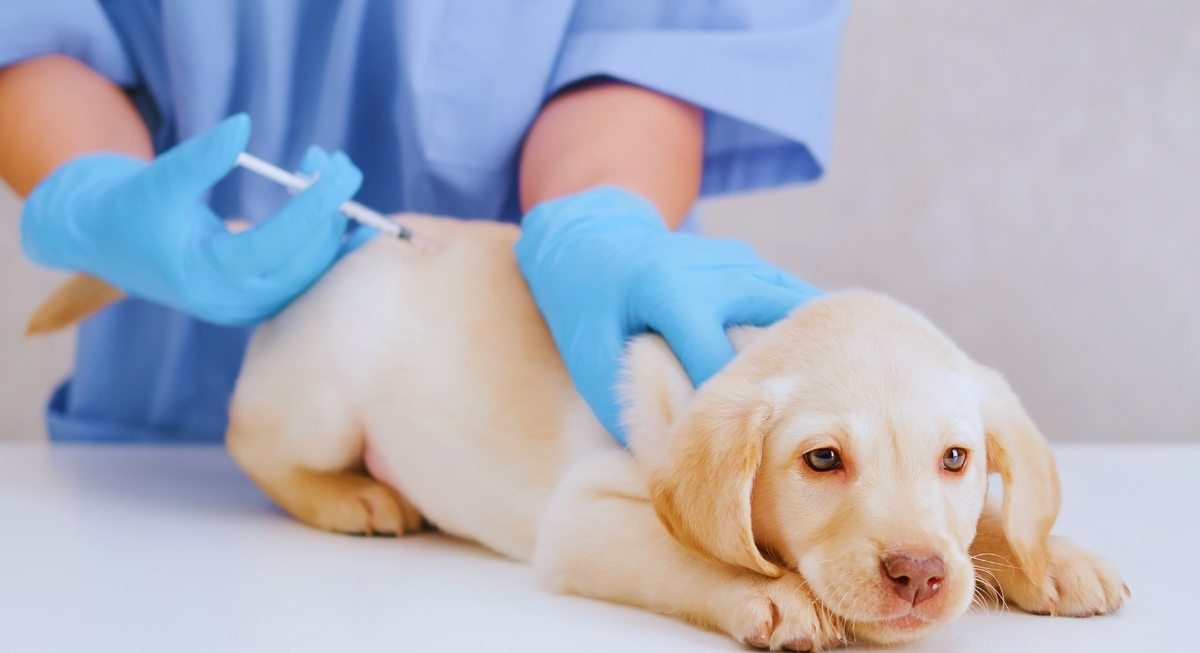
Image via Canva/Aida Makhmudova
Puppy vaccination schedules confuse many people because the process spans months rather than a single appointment. The reason comes down to maternal antibodies. Puppies receive temporary immune protection through their mother’s milk, but those antibodies fade at different rates.
If vaccines happen too early, maternal antibodies can interfere with the puppy’s immune response. If vaccines are given too late, the puppy remains vulnerable to dangerous diseases.
That balancing act is why many vets start vaccines around 6 to 8 weeks and continue boosters every 3 to 4 weeks until roughly 16 weeks of age. Skipping appointments or trying to shortcut the process creates gaps in protection.
Veterinary clinics also use these repeat visits to track growth, monitor joints and body condition, examine teeth, check reflexes, and watch how puppies behave in unfamiliar settings.
The Socialization Clock
One of the biggest mistakes new owners make is waiting too long to socialize their puppy because they’re nervous about germs or bad experiences. Veterinary behavior experts point to a critical learning window between roughly three and 12 weeks of age. Puppies absorb new sounds, people, surfaces, and environments during that period much faster than they do later in life.
That doesn’t mean tossing a puppy into a packed dog park; it means controlled exposure. Friendly visitors, short car rides, calm introductions to vaccinated pets, hearing traffic, seeing bicycles, walking on different surfaces, and getting comfortable inside a carrier or crate.
It also means learning that nail trims, ear checks, and mouth handling are routine instead of terrifying. Vets say puppies who miss those early experiences often struggle later with fear, anxiety, grooming, or vet visits.