10 Weird Things Only Cat Owners Will Understand
Living with a pet means adjusting your routine around their needs. That’s why bringing a cat home is an experience in itself. Like other animals, they have their own habits that some pet parents find quirky. As time passes, you begin to notice these patterns more closely. Here are some common ones that cat owners regularly report.
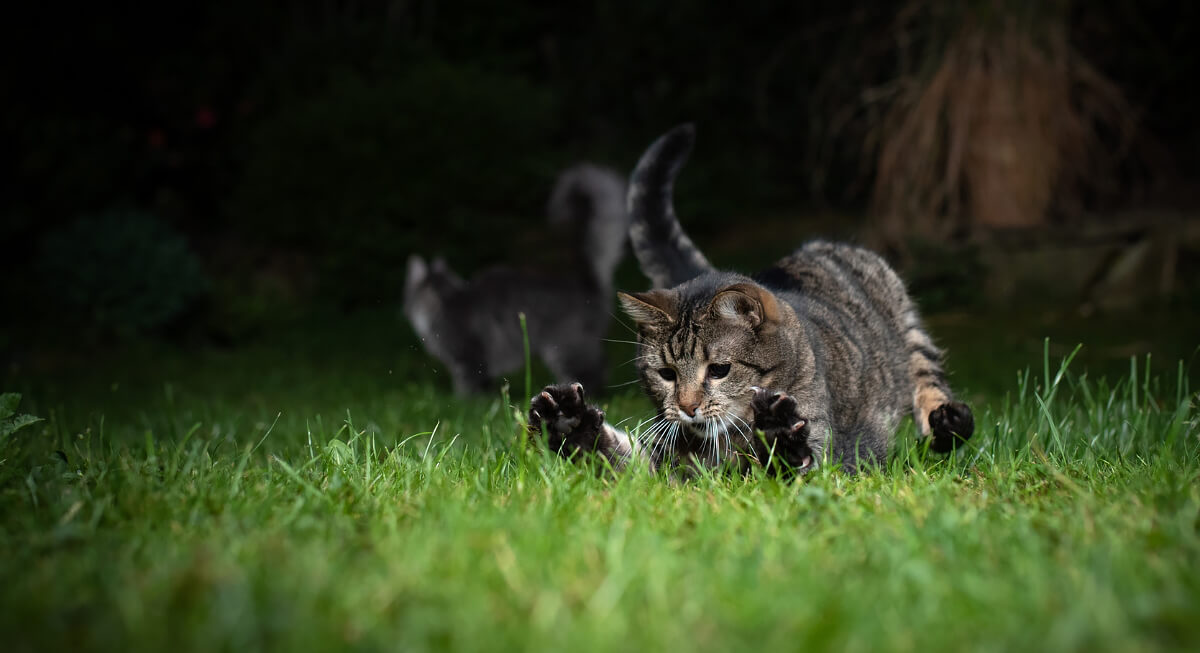
Late-Night Energy Surges
Credit: Getty Images
It’s pretty common for owners to find their cat suddenly sprinting across the room with full intensity. These bursts of movement align with natural hunting cycles that persist in indoor cats. In such cases, you can ensure short periods of high activity to help regulate their physical health and reduce nighttime disruptions.
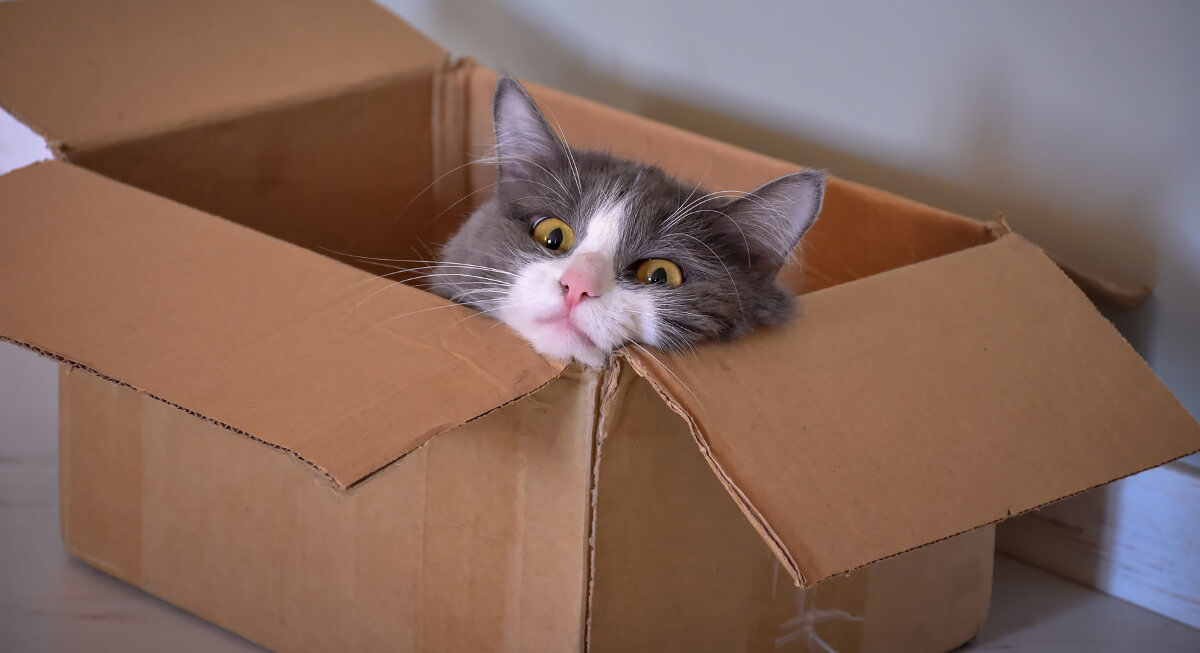
Preference for Boxes Over Toys
Credit: Getty Images
You could get the most expensive and fun toys for your cat, but a simple cardboard box will usually steal all their attention. Cats naturally gravitate toward enclosed spaces because they feel safe and contained. Studies on feline behavior connect this preference to lower stress levels and increased comfort.
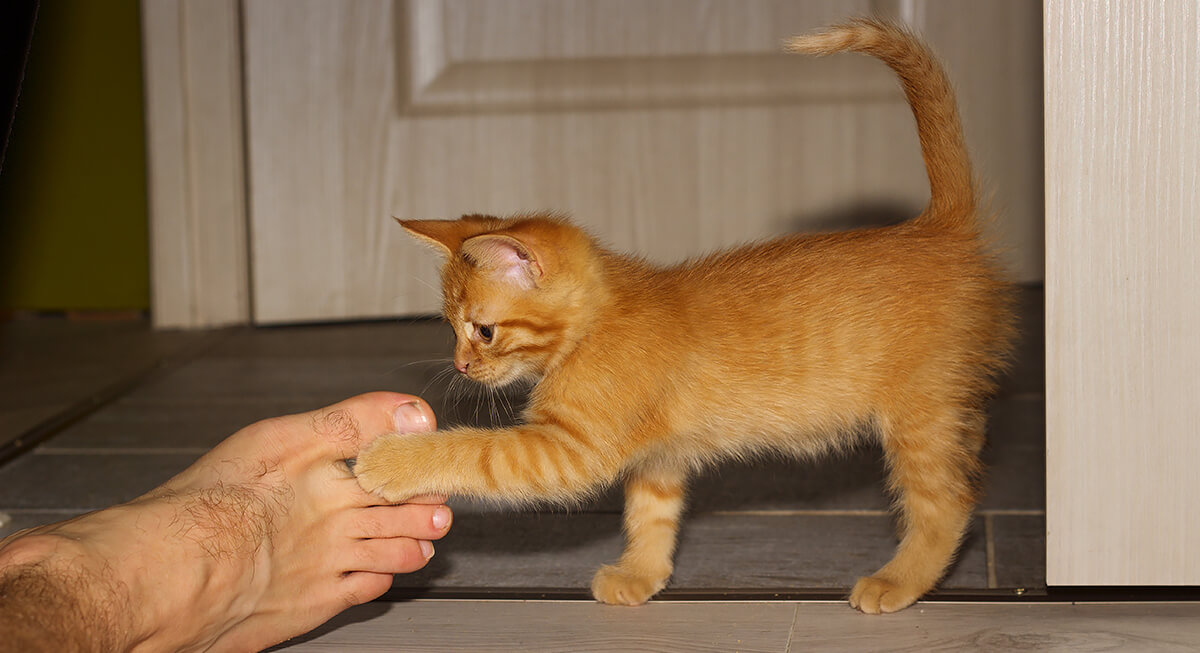
Attacking Moving Feet
Credit: iStockphoto
Movement under blankets or along the floor can trigger an immediate reaction from cats. They interpret these motions as potential prey, which activates their hunting instincts. This behavior helps support coordination and reflexes, even in indoor settings. Owners often learn to recognize actions that lead to these attacks or suffer the consequences.
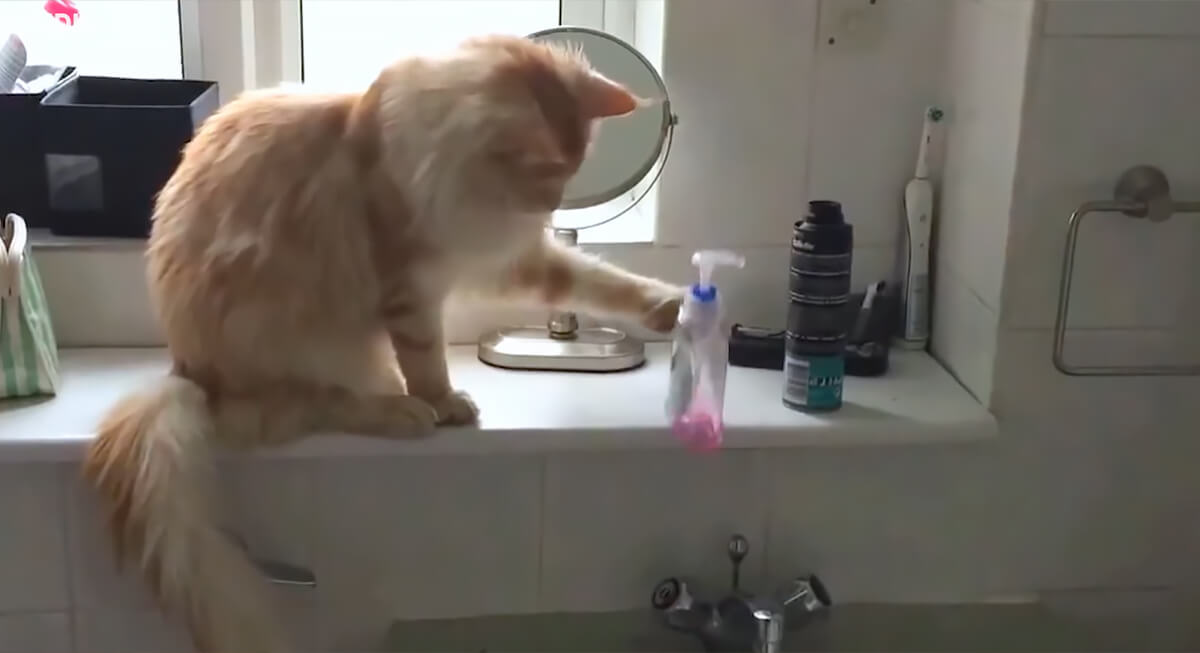
Pushing Objects Off Surfaces
Credit: Youtube
If you wish to place an object near the edge of a table or shelf, do it at your own risk. Cats are known for their mischief, pushing items off with slow, deliberate movements, sometimes watching your reaction as it happens. This kind of engagement helps animals learn about their environment.
Interrupting Work and Daily Tasks

Credit: charliepix
When your cat sees you focusing on a task, they immediately feel the need to interrupt and obtain your attention. They might end up sitting on keyboards, papers, or anything you are actively using. This is not as disruptive as it sounds. You can choose to simply take a break at a time like this or set up alternative spaces.
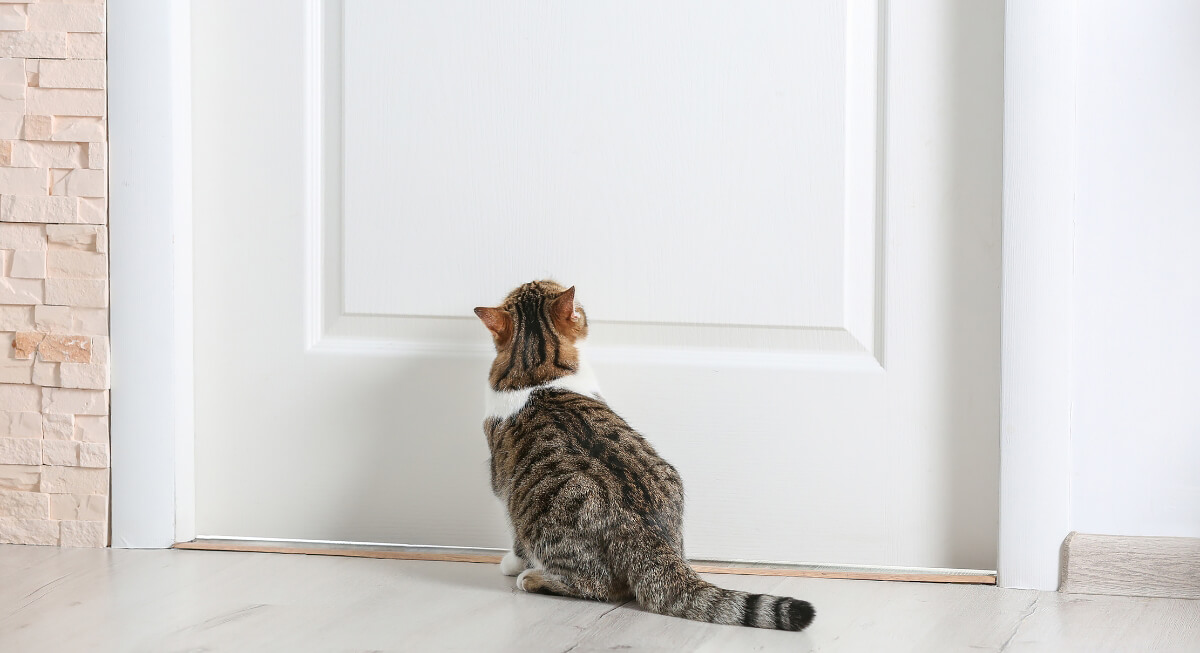
Resistance to Closed Doors
Credit: Canva
According to research, cats depend on access to their surroundings to stay aware of what is happening around them. A closed door may cause them to scratch, wait, or make persistent attempts to get through. It is a reaction connected to their instinct to monitor territory and maintain control over their environment.
Curiosity About Human Food

Credit: Getty Images
Cats have a highly developed sense of smell, which plays a major role in how they interact with food. They frequently approach human food to sniff it rather than eat it. It’s part of how they are able to gather information about the area around them.
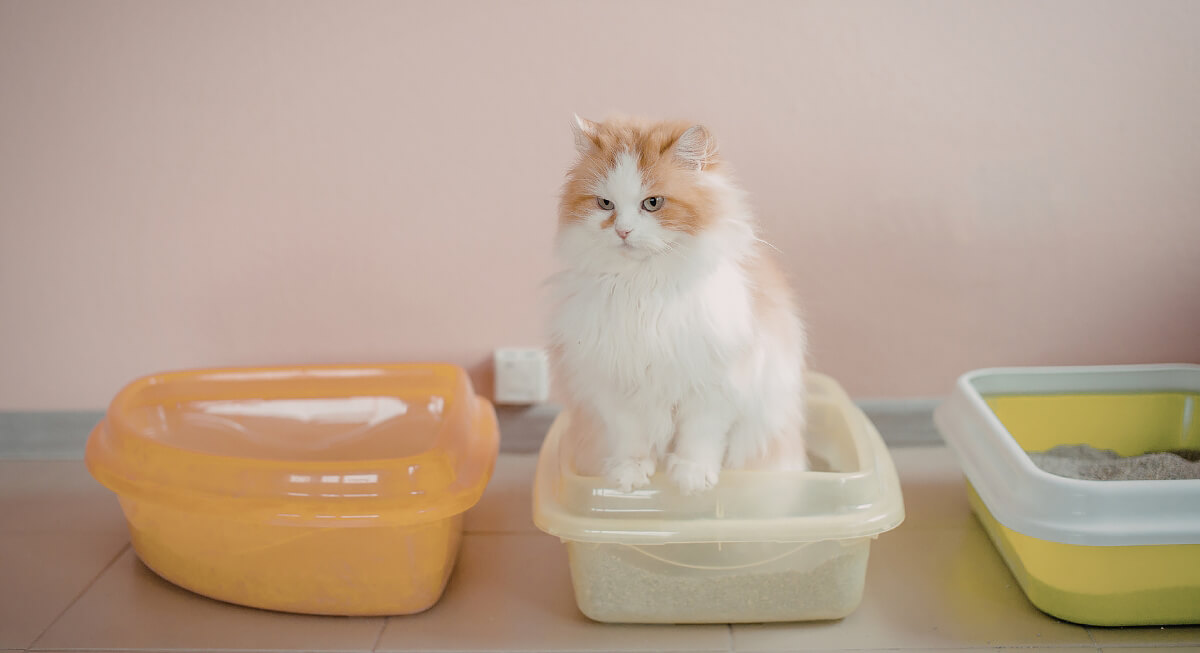
Complex Litter Box Preferences
Credit: Canva
If you want to ensure your cat follows a consistent litter box routine, focus on cleanliness, placement, and the type of litter you use. Consistency in these areas improves hygiene and reduces mess. Otherwise, your cat might respond strongly to changes in texture or scent.
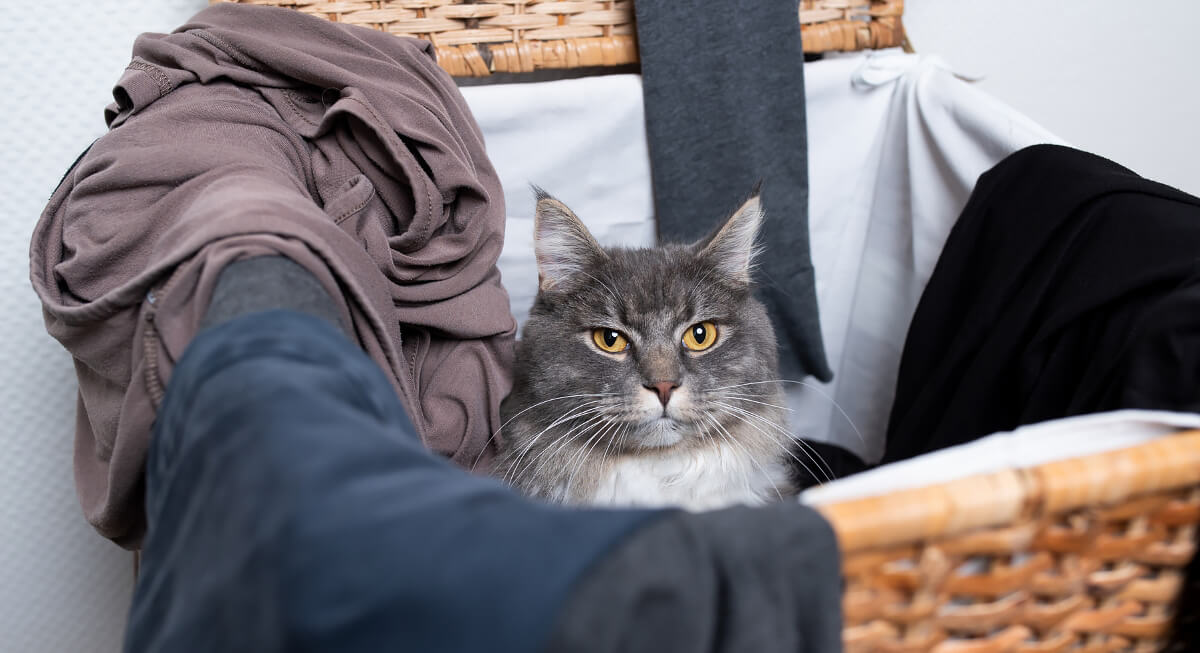
Choosing Crowded Resting Spots
Credit: Getty Images
Your cat might ignore an open space only to perch on a pile of laundry. This is because these locations are selected based on scent and texture. Recently used items also carry familiar smells, which create a sense of comfort.
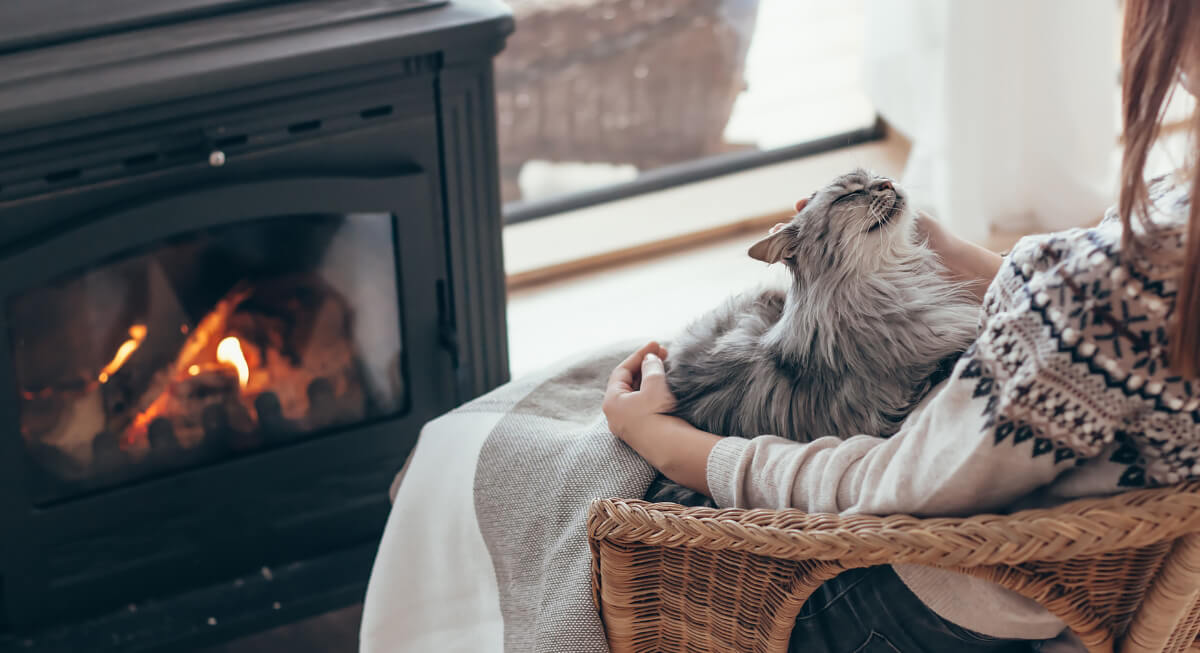
Unpredictable Timing of Affection
Credit: Canva
While they are not usually affectionate, cats still form strong bonds with their owners. They also tend to choose when to seek attention, moving from distance to closeness without much warning. At the end of the day, you can treat this as proof of their independent nature combined with selective trust.