10 Things a Cuttlefish Does With Its Skin That No Other Animal Can
Cuttlefish skin is interesting in many ways: it functions as a display system, camouflage device, texture generator, and communication tool all at once. Within seconds, an individual can alter color, brightness, contrast, pattern, reflectivity, and even the physical shape of its body covering. While some of these abilities are shared with octopuses and squid, no other animal combines so many skin-based tricks in quite the same way. Researchers continue to study this remarkable system because it offers insight into everything from predator avoidance to future adaptive technologies.
Living Pixels Beneath the Skin
Credit: Getty Images
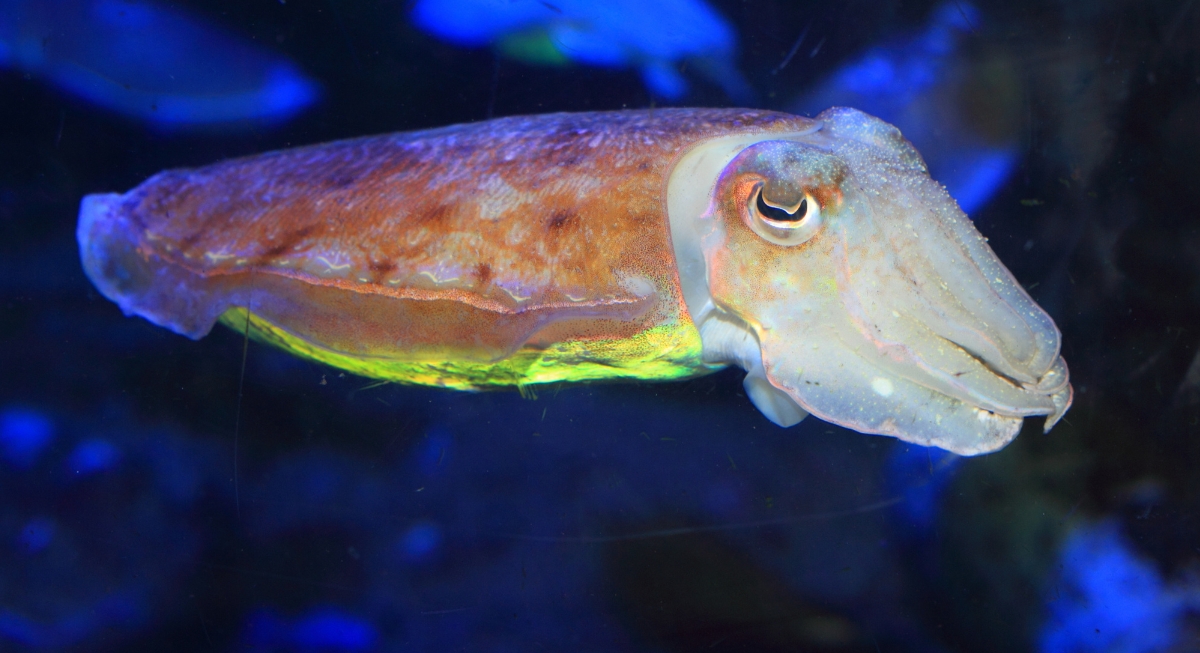
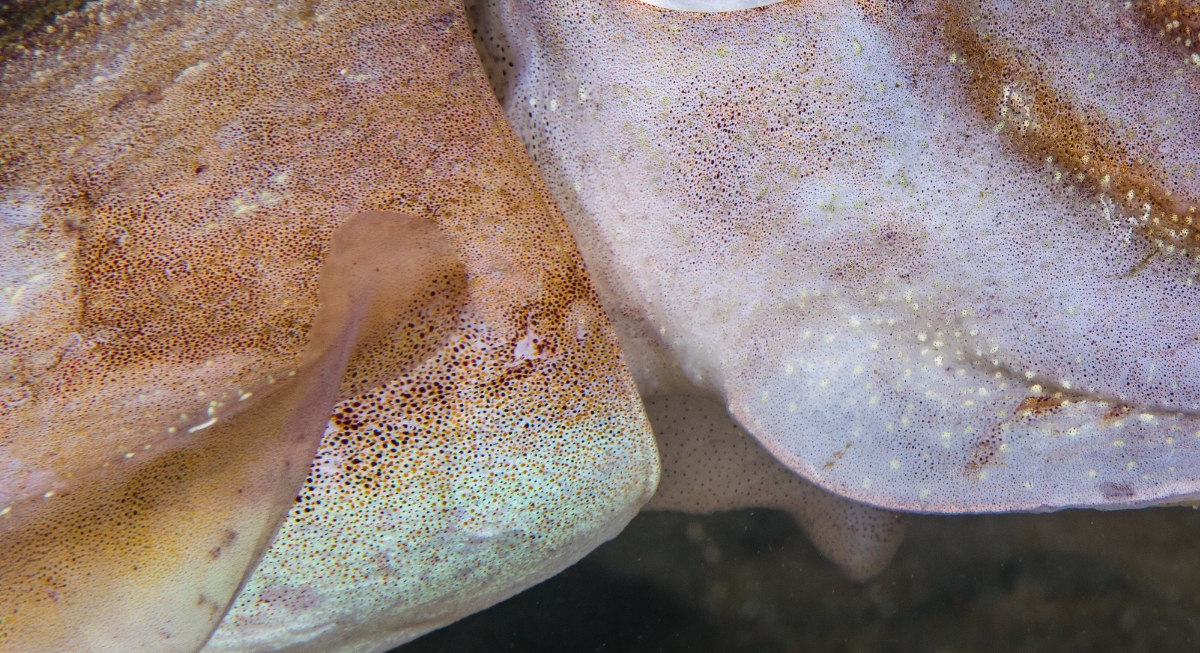
Beneath the surface lies a dense network of chromatophores, tiny pigment organs controlled directly by nerves and muscles. When these microscopic sacs expand, they reveal color. When they contract, the color disappears. Millions of chromatophores can operate together to produce stripes, spots, bands, and complex patterns that spread across the body. The effect has often been compared to a high-resolution display screen. Unlike animals that change color over hours, days, or seasons, this process happens almost immediately. Direct neural control enables real-time adjustment of appearance.
Camouflage Despite Colorblind Vision
Credit: Wikimedia Commons
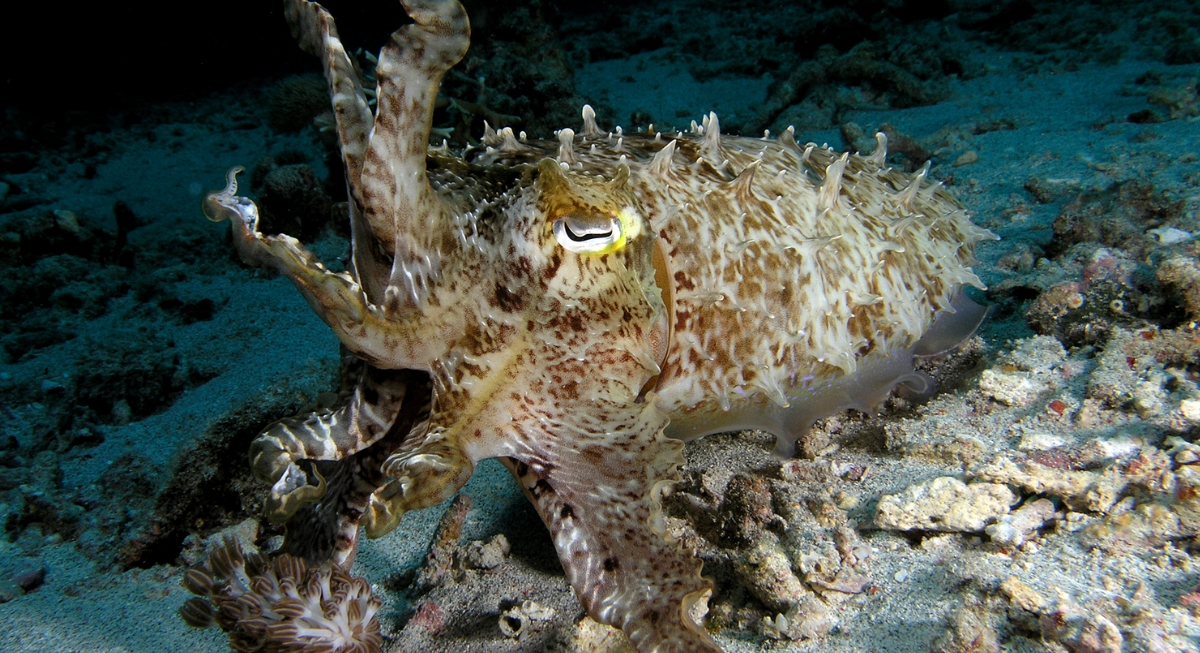
Excellent camouflage would seem impossible for an animal that does not perceive color the way humans do. Yet these cephalopods routinely blend into their surroundings with remarkable accuracy. Scientists believe they rely heavily on brightness, contrast, edge detection, and visual texture rather than color alone. Additional help comes from specialized cells called leucophores, which scatter and reflect available light. Because these cells naturally take on characteristics of surrounding illumination, they can contribute to background matching without requiring detailed color perception.
Skin That Mimics Rocks and Seaweed
Credit: Getty Images
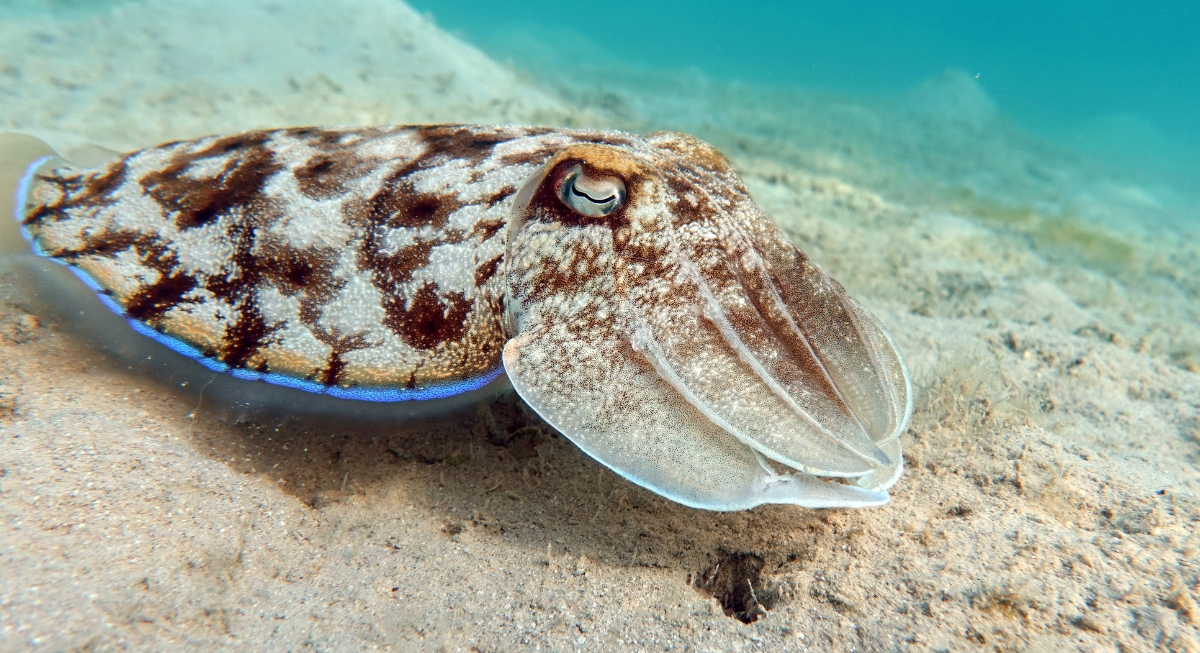
Color is only part of the cuttlefish’s disguise. Its skin can also change texture. Specialized structures called papillae can create bumps, ridges, spikes, and other irregular shapes across the body. A cuttlefish that looked smooth a moment ago can suddenly resemble a patch of seaweed, a piece of coral, or a small rock on the seafloor. By changing both appearance and texture, it becomes much harder for predators to recognize that an animal is hiding in plain sight.
Matching a Specific Patch of Seafloor
Credit: Wikimedia Commons
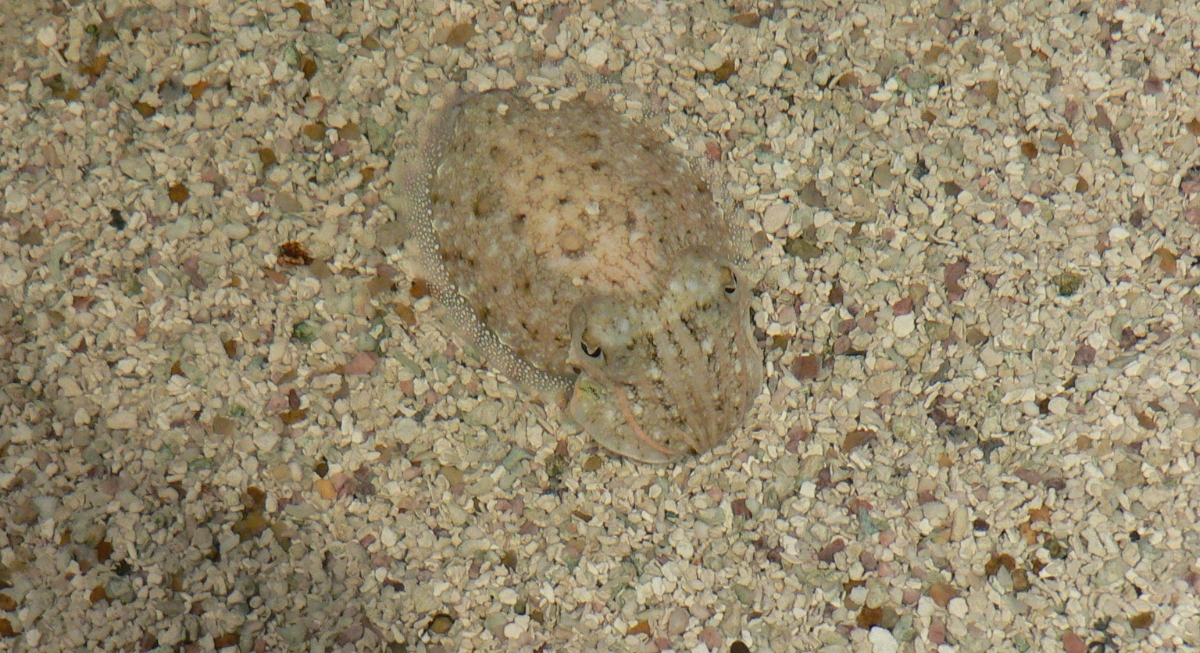
Researchers have observed individuals settling into specific microhabitats and adopting patterns suited to those locations. A sandy patch may trigger one appearance, while a nearby cluster of algae may produce an entirely different response. This precision allows concealment to be tailored to immediate surroundings rather than broad habitat types. Instead of looking generally ocean-colored, the skin responds to details such as contrast, texture, and pattern size.
Three Distinct Camouflage Modes
Credit: Wikimedia Commons
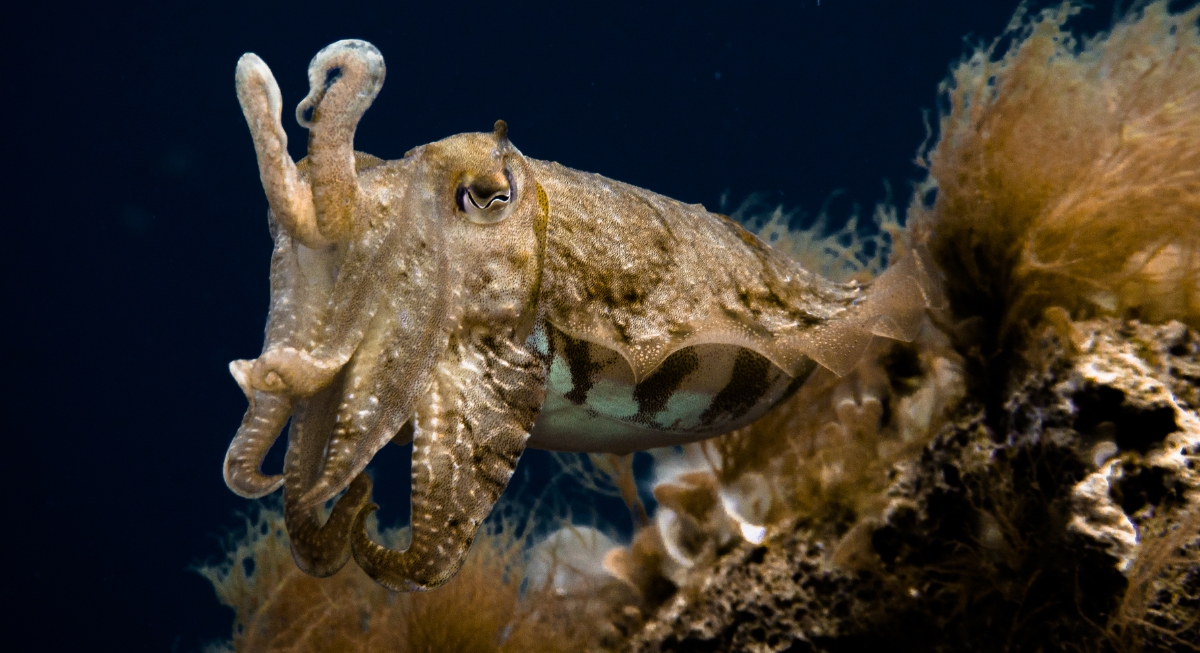
Researchers generally describe three major camouflage strategies: uniform, mottle, and disruptive patterns. Uniform displays create relatively even coloration that works well on simple backgrounds. Mottled displays introduce patches and variation that match more complex surfaces. Disruptive displays are the most dramatic. High-contrast markings break up the body’s outline, making it harder for predators to recognize a distinct shape. The remarkable feature is not the existence of these options but the ability to switch among them rapidly as environmental conditions change.
A Built-In Visual Language
Credit: Getty Images
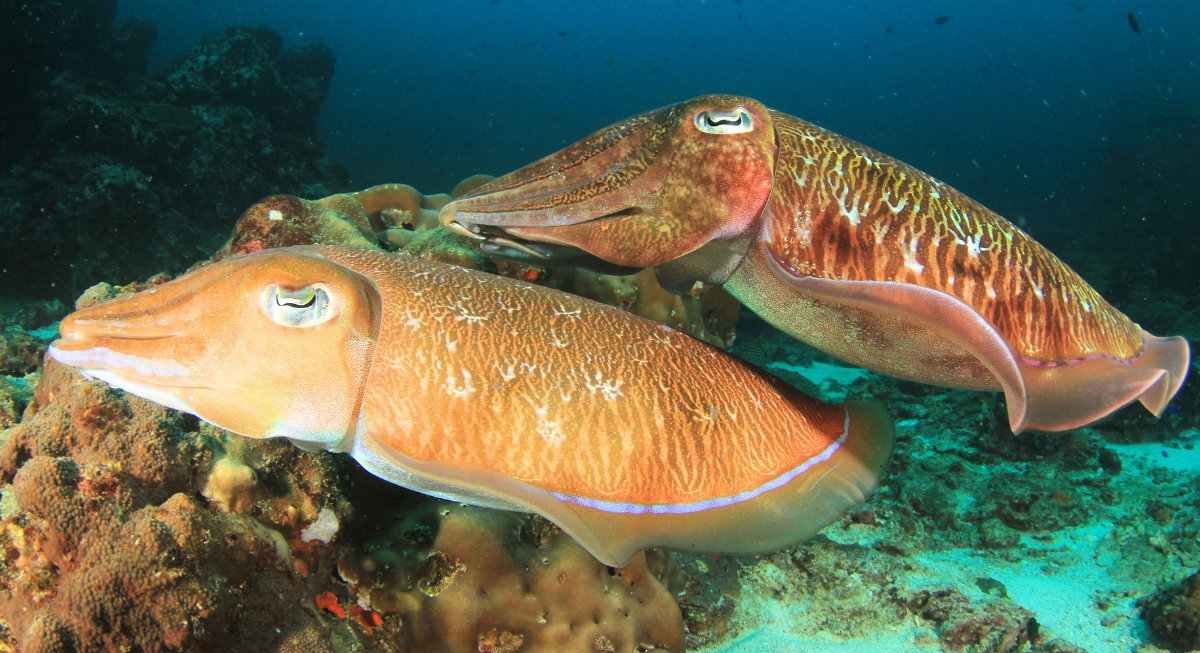
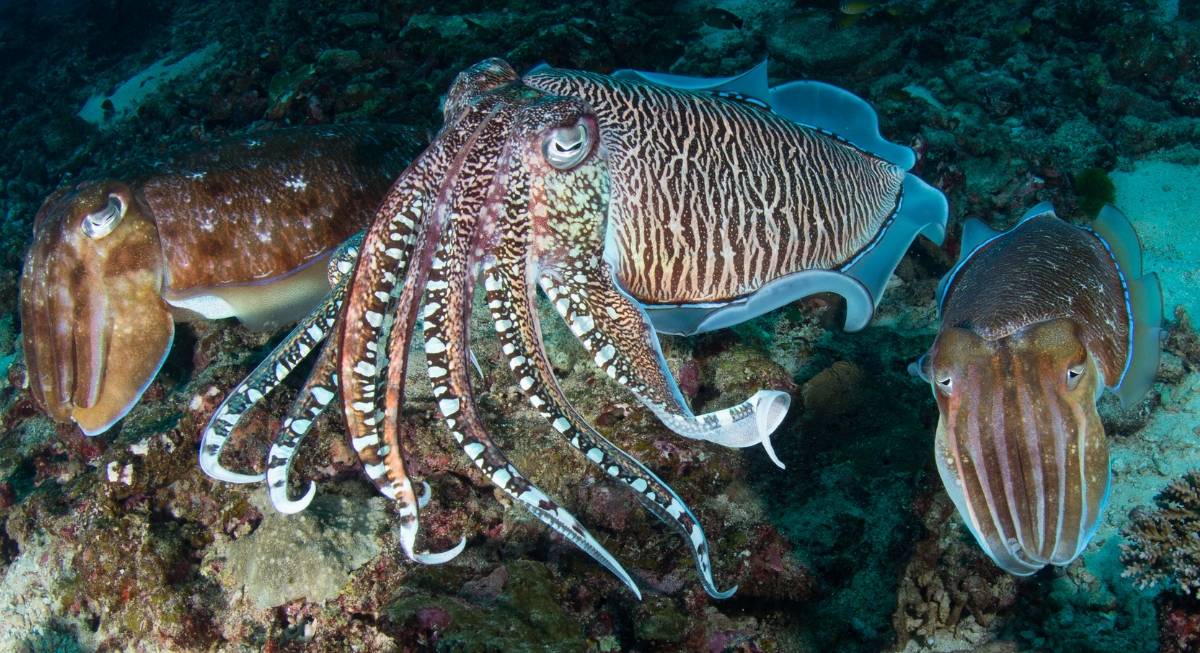
Camouflage is only one function of this remarkable skin system. During breeding seasons, males often display bold patterns intended to attract females or discourage rivals. In these moments, concealment becomes less important than communication. Rapid flashes, contrasting bands, and changing displays can convey information to nearby members of the species. Because visual signals can be altered almost instantly, the skin acts as a flexible communication platform. The same structures used to hide from predators can also be used to compete, court, and interact with others.
Animated Patterns Across the Body
Credit: Getty Images
Not every display remains still. In some situations, waves of color appear to move across the body surface. Scientists often refer to these as passing cloud displays because they resemble shifting shadows moving over the skin. The patterns may play roles in hunting, defense, or social interactions, depending on the species and circumstance. What makes them noteworthy is that the display itself becomes animated. They don’t change from one static pattern to another. The entire body can create the illusion of movement through coordinated skin activity.
Multiple Layers Working Together
Credit: Getty Images
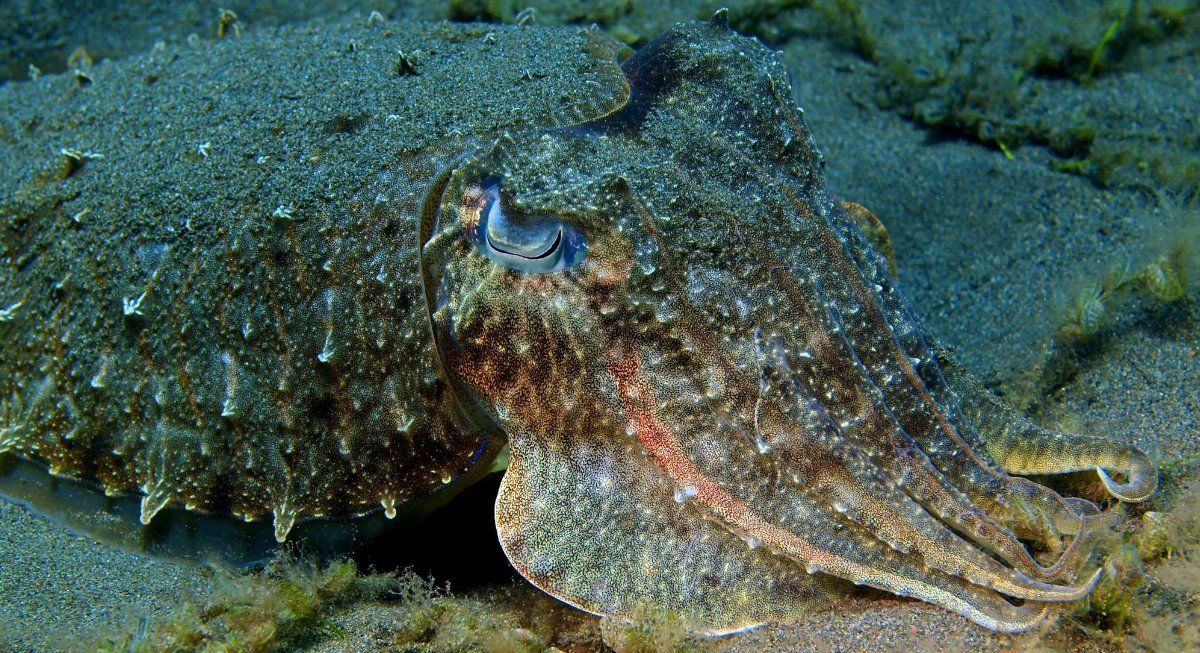
Successful disguise depends on several biological systems operating simultaneously. Chromatophores provide pigment. Iridophores contribute reflective and iridescent effects. Leucophores scatter ambient light. Papillae modify texture and shape. Each layer serves a different purpose, but the greatest advantage comes from combining them. A convincing imitation of algae or rock requires more than matching color alone. Reflectivity, brightness, texture, and silhouette must also align with the surroundings. Working together, these systems produce camouflage that is far more sophisticated than any single mechanism could achieve on its own.
Nighttime Disguises in the Dark
Credit: Getty Images
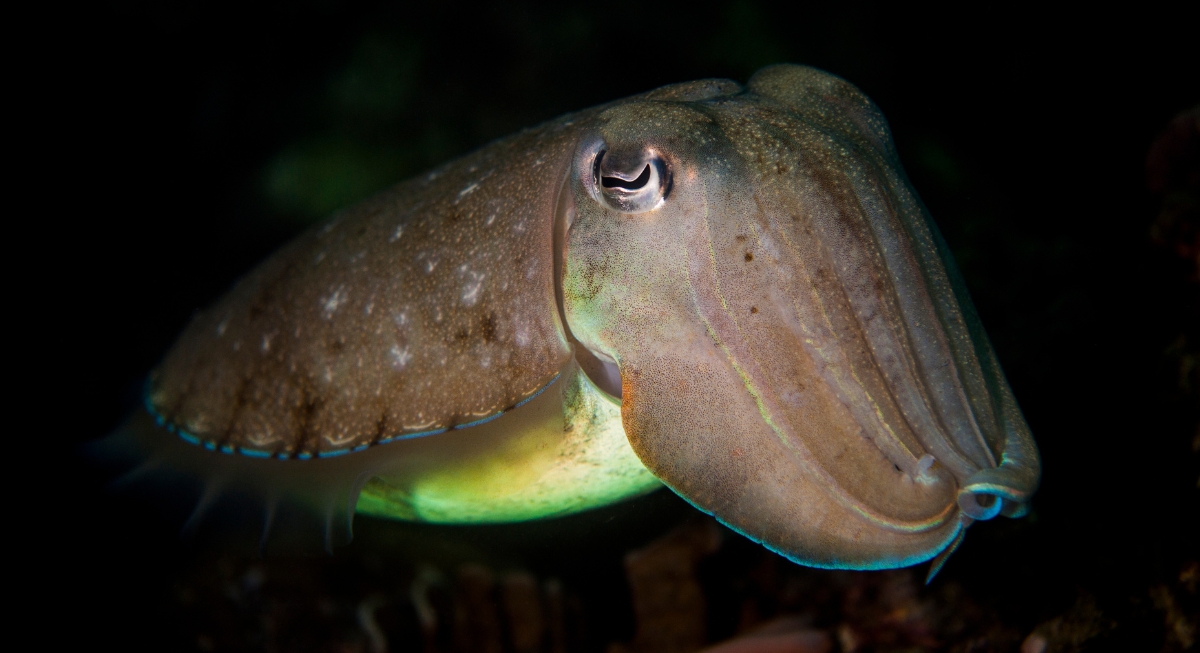
Darkness does not eliminate the need for concealment. Predators remain active at night, and many rely on contrast, movement, or limited available light when searching for prey. Research conducted at spawning grounds in Australia showed that cuttlefish continue adjusting their appearance after sunset, even in extremely low-light conditions. Their ability to remain concealed after dark demonstrates that the camouflage system remains effective well beyond daylight hours. This finding surprised researchers because visual camouflage is often associated with daylight.
The Skin That Fascinated Engineers
Credit: Getty Images
Engineers have spent years studying cephalopod skin for clues to the development of adaptive materials. The combination of flexibility, rapid responsiveness, texture control, and pattern generation solves challenges that modern technology still struggles with. Research inspired by these animals has influenced work on dynamic camouflage materials, soft robotics, and responsive surfaces. Unlike a manufactured screen or mechanical device, the biological system operates seamlessly as living tissue. This unusual skin continues to attract attention far beyond the field of marine biology.