What Your Dog’s Tail Position Actually Tells You (It’s Not Just Happy or Sad)
Some people find it hard to understand what their dogs are trying to say. When they want to play, when they want to rest, or when they simply want you to leave them alone, it usually shows up in small signals, and the tail is one of the clearest ones.
Dogs use their tails the way people use facial expressions, tone, posture, and eye contact together. A raised tail can signal confidence or tension, and a low wag can point to fear. Some dogs even stop wagging mid-interaction as a way of asking for space. Once those signals are easier to spot, a dog’s behavior is easier to understand.
Tail Position Over Wagging
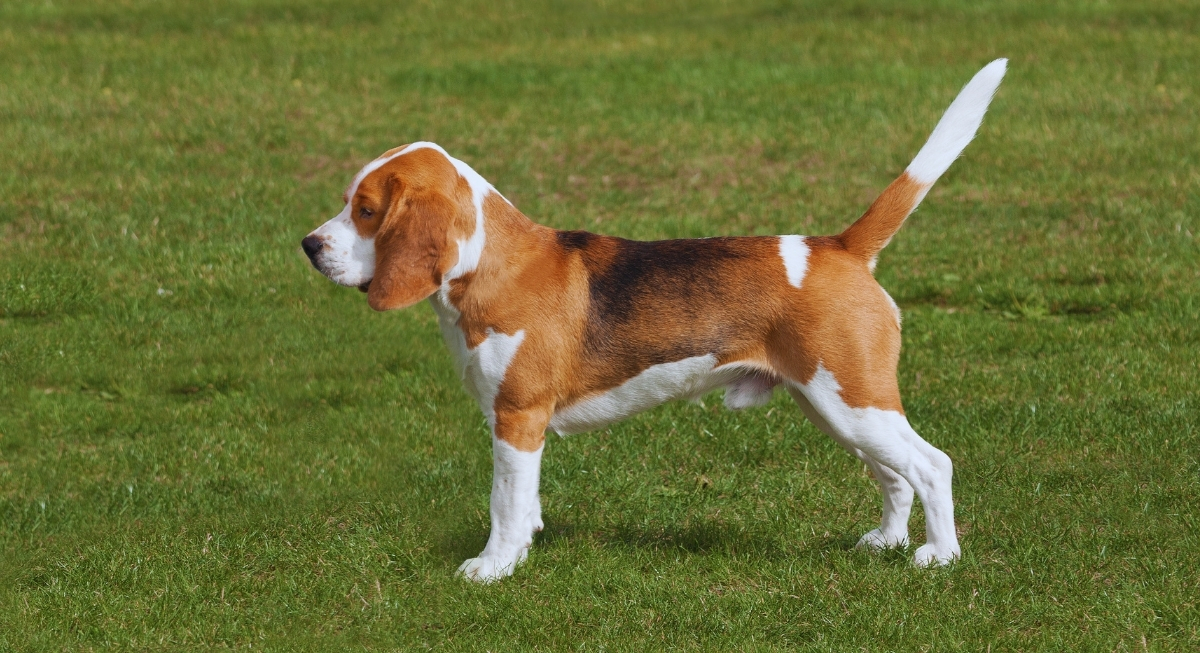
Image via Canva/Zande
The position of a dog’s tail says a lot before the wag even starts. A relaxed dog usually carries its tail in a neutral position. That looks different depending on the breed. Beagles tend to hold their tails higher, while greyhounds and whippets naturally carry them lower. Huskies and Akitas often keep curled tails over their backs even when calm, which is why context matters.
When a dog raises its tail high and stiff, it often signals alertness or heightened arousal. That does not always mean aggression, but it can indicate that the dog is closely assessing a situation. If the body is also tense and rigid, it is usually wise to give the dog extra space.
A lowered tail usually signals that a dog is feeling uneasy. When the tail drops slightly below its usual position, it can point to hesitation or a lack of confidence in the moment. If it is pulled tightly under the body, the meaning becomes clearer: the dog is likely stressed, fearful, or trying to protect itself. This is common in situations that feel overwhelming, like loud storms or visits to the vet.
Then there’s the middle ground most people miss. A neutral tail with a loose wag often signals comfort and willingness to keep interacting. That’s the version people usually mean when they say a dog looks happy.
Fast Wagging Isn’t Always Friendly
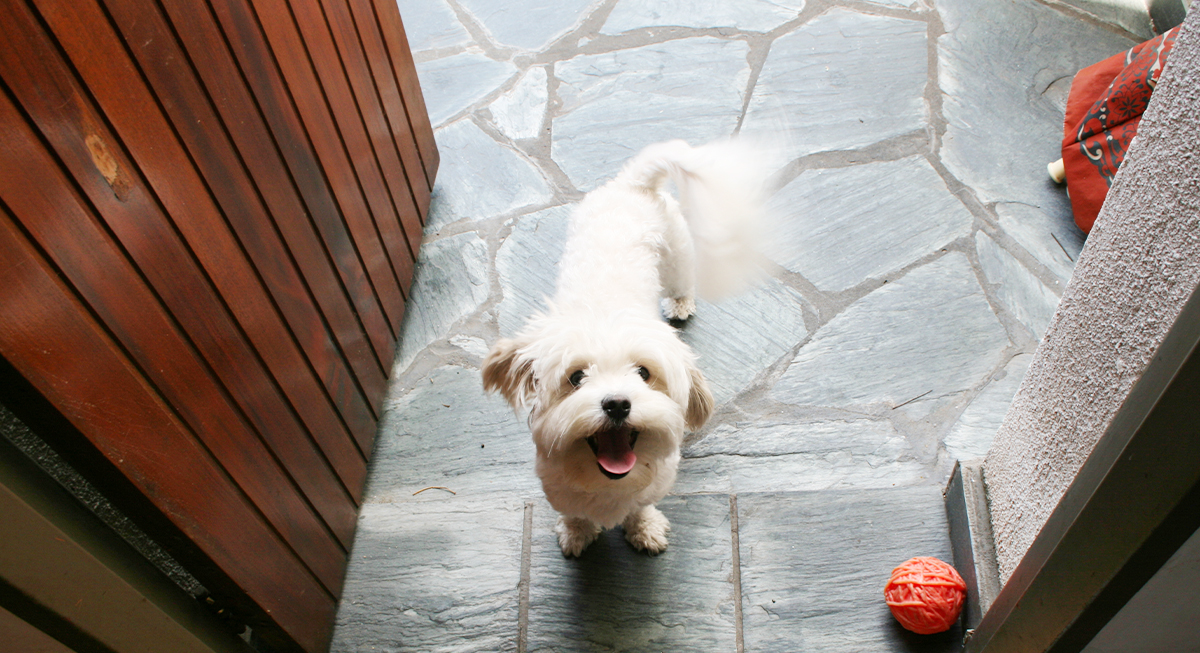
Image via iStockphoto/Wirestock
A quick, loose wag paired with soft body language usually signals excitement. Dogs greeting family members at the door often wag this way. Their bodies are relaxed, their movements stay bouncy, and the tail motion looks broad and easy.
A fast wag with a low tail can mean anxiety instead of joy. Dogs sometimes wag rapidly when nervous because they are emotionally conflicted. They may want interaction while also feeling unsure about it.
A cautious dog will often slowly wag its tail while watching a person, another dog, or a new object. That hesitation is crucial because it can mean the dog is still deciding how safe the situation feels. Some dogs even stop wagging altogether during interactions. Behavior experts say this pause can act like a social brake pedal. The dog may be signaling that it wants the interaction to slow down or end.
Dogs May Wag More to One Side
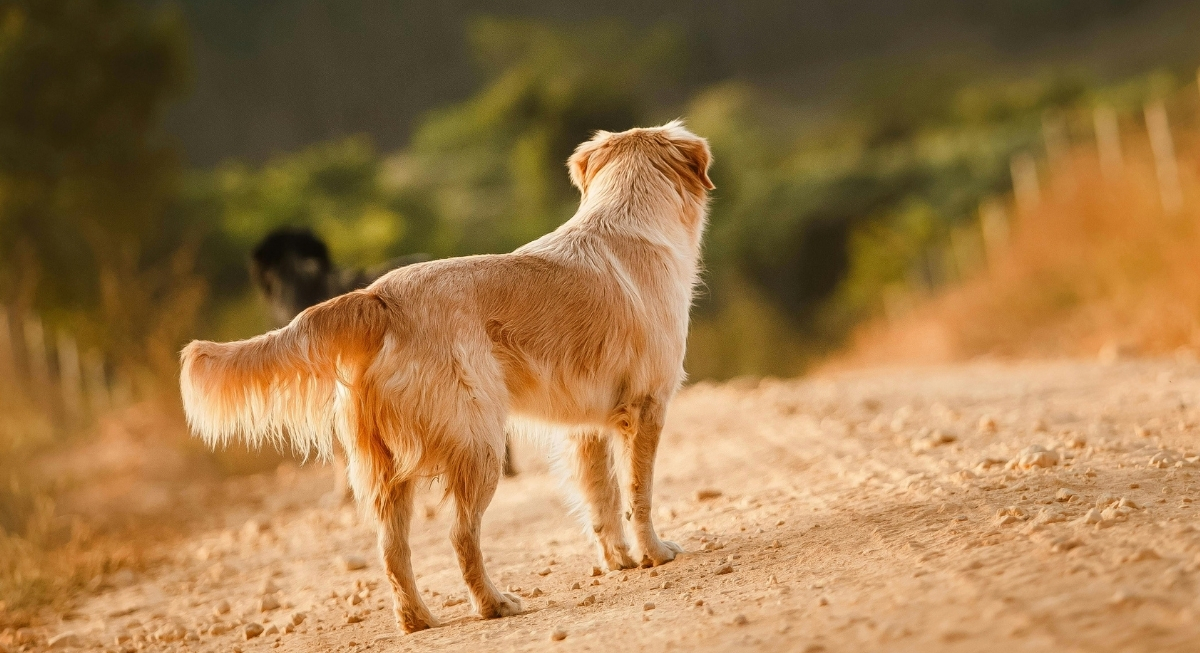
Image via Pexels/Helena Lopes
Research on canine behavior uncovered something that surprises many owners: the direction of the wag may carry meaning, too. Studies found that dogs tend to wag more toward the right when they feel relaxed or confident. Left-sided wagging appears more often during stressful or fearful situations.
Most people will never stand around analyzing wag angles like football replay footage, but this finding supports a bigger point. Tail movement is more complex than a simple happy-or-sad system. Dogs constantly combine tail position, speed, posture, ear movement, and eye contact into one ongoing conversation.
Sudden Tail Changes Can Signal Trouble
A tail that suddenly hangs limp or sits at an unusual angle may point to more than emotion. Physical issues can affect tail carriage, too. Strains, nerve problems, digestive discomfort, and rectal gland issues sometimes change the way dogs hold or move their tails.
There’s also a condition called limber tail syndrome, which can happen after intense exercise or swimming in cold water. Dogs with it often carry their tails low and appear uncomfortable. Behavior changes are also important. A normally relaxed dog that suddenly keeps its tail tucked could be stressed, frightened, or in pain.