Why an Aging Dog’s Sleep Location Shifts to the Coolest Floor
If your older dog has started leaving their usual bed and stretching out on the coolest patch of floor, it can feel a bit unexpected. The spot they once preferred suddenly gets ignored, and the change seems to come out of nowhere. In most cases, though, it’s not random behavior.
As dogs age, their bodies handle heat differently. They can get uncomfortable more easily, even in spaces that used to feel just right. A cool surface helps bring their body temperature down and ease that discomfort, which is why the floor starts to win over the bed.
The Search for Cool Comfort

Image via Pexels/Romina BM
As dogs age, they undergo a range of physical changes, many of which affect how they sleep. One of the most significant shifts is their ability to regulate body temperature. You might think that dogs are built to handle heat (after all, they have fur), but older dogs can become more sensitive to temperature changes.
They may seek cooler places to rest because their ability to maintain comfort in heat isn’t as strong as in younger dogs. Some types of beds, especially those with deep padding or memory foam, can hold more body heat. It’s a simple survival instinct. Dogs are hardwired to find the most comfortable environment for themselves, and that often means avoiding anything that might cause them to overheat.
The Aches and Pains of Getting Older
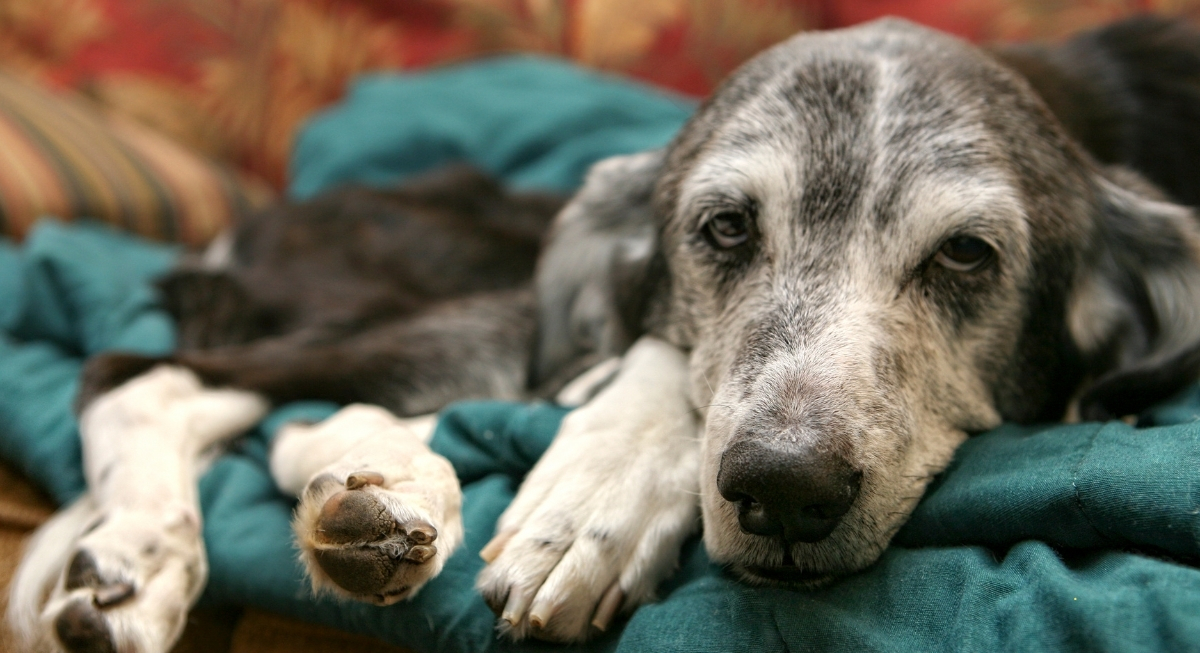
Image via Getty Images/inhauscreative
On top of temperature regulation, senior dogs often deal with joint pain or arthritis, which becomes more pronounced as they age. A cushioned bed may seem like the obvious solution, but for a dog with achy hips or stiff legs, that extra softness might not feel so great.
The floor, on the other hand, provides a firmer surface that can be more supportive and help alleviate some of the pressure on their joints.
Additionally, older dogs may feel less stable or mobile than they did in their younger years, and they might prefer the steady, level surface of the floor where they don’t have to struggle to get comfortable. Plus, some senior dogs may struggle with beds that are too high or have deep cushioning, making it harder to climb in and out.
Behavioral Changes in Senior Dogs
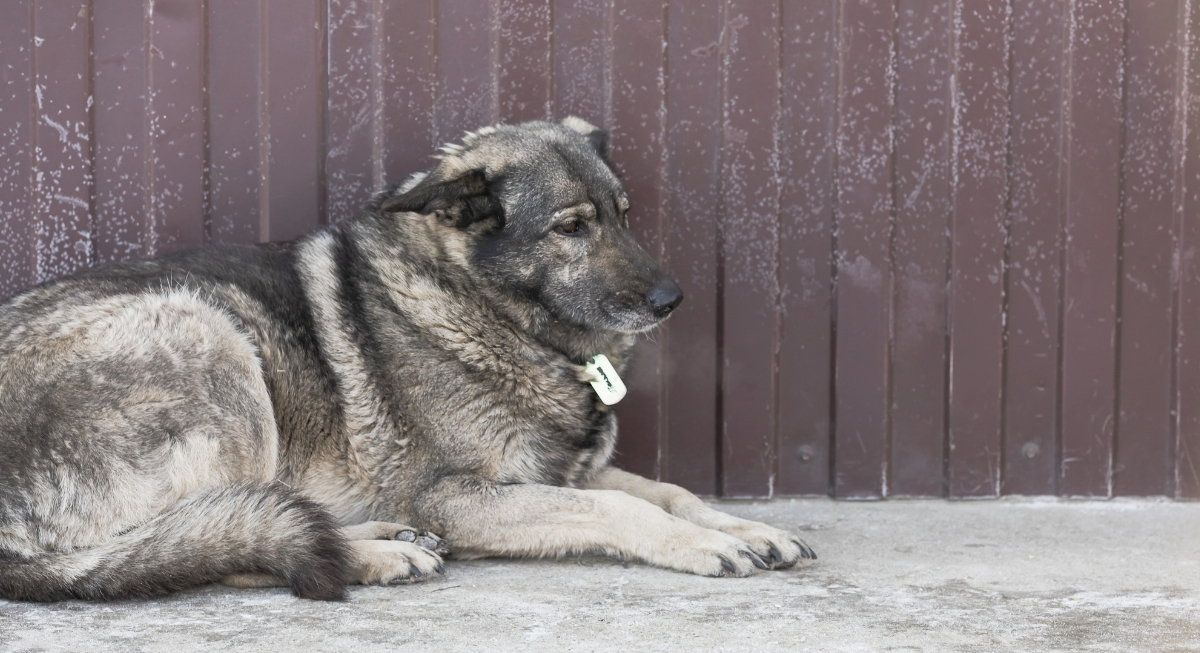
Image via Getty Images/Ekaterina Rekina
Sometimes, the shift to the floor isn’t just about physical comfort; it can also be linked to behavioral changes. Older dogs, like older humans, can experience shifts in cognitive function.
If your dog seems more confused or forgetful than before, they might not remember that their bed is still the best place to sleep. They might also be experiencing restlessness, wandering around at night in search of the perfect spot.
What Can You Do?
For starters, providing a cooling mat or moving their bed to a cooler area might encourage them to rest on a surface that’s cooler without the need for the cold, hard floor. If joint pain is a concern, orthopedic beds with high‑density foam can provide better support and pressure relief for dogs with arthritis, which can help reduce discomfort.
Most importantly, regular checkups with the vet can help you manage age-related conditions that may be affecting their sleep, such as joint pain or cognitive decline. It’s also a great opportunity to discuss any changes you’ve noticed.