Why Guinea Pigs Shouldn’t Live Alone and What Happens When They Do
Wild guinea pigs live in social groups where constant interaction helps them feel secure. Domestic guinea pigs still carry those instincts. They communicate through chirps, squeals, purring sounds, body posture, and grooming habits that humans simply cannot recreate.
That’s why experts and veterinarians often recommend keeping guinea pigs in pairs or groups instead of alone. Human attention helps, but it does not replace another guinea pig sharing the same space, routines, and communication style.
Guinea pigs with cage mates tend to explore more, rest together, and stay mentally engaged longer. Some even copy each other’s habits, especially during feeding time or play. A solo guinea pig misses all of that social feedback, and the effects can pile up more than owners expect.
What Loneliness Looks Like in Guinea Pigs
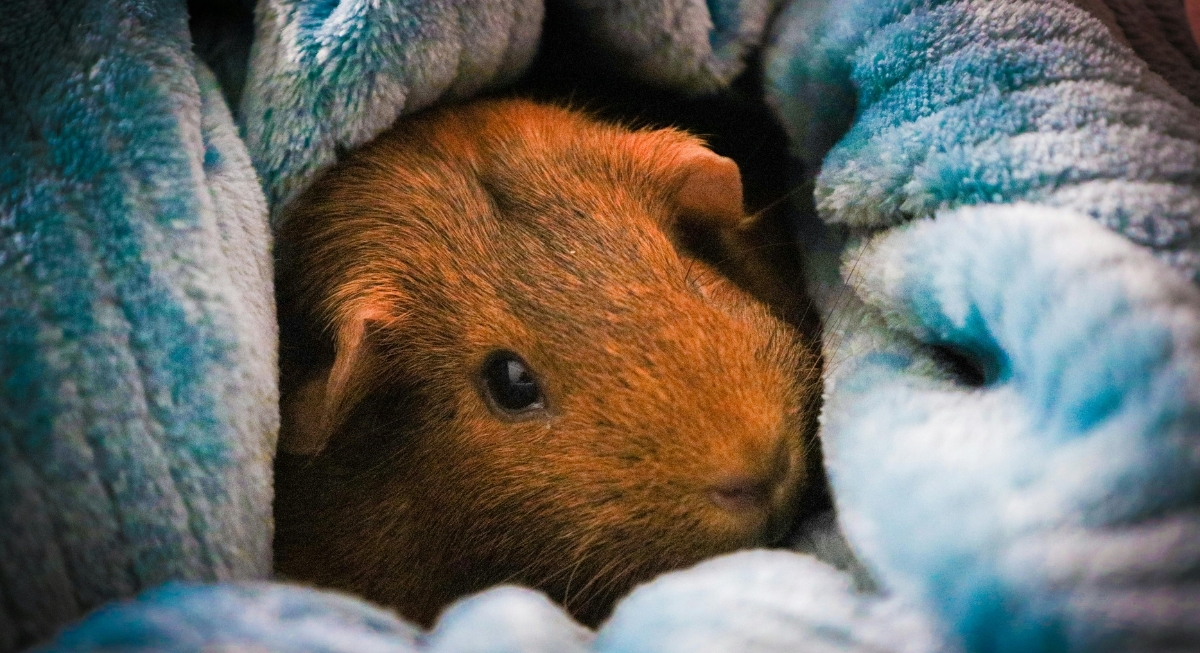
Image via Pexels/Jeremy Pitman
Loneliness in guinea pigs is not always loud, and the signs usually creep in slowly. The signs can include becoming less active or spending more time hiding inside shelters. Their appetite may also change, and stress behaviors can manifest in a number of ways, such as pacing, chewing cage bars, over-grooming, or pulling out fur.
Veterinary sources also connect long-term isolation with chronic stress, weakened immunity, and weight loss. Guinea pigs are prey animals, so they naturally hide illness. A stressed guinea pig can become seriously sick before owners realize something is wrong.
Guinea pigs also get attached to predictable feeding times, familiar sounds, and daily interaction. Extended periods alone can disrupt that sense of stability. One veterinary guide recommends avoiding leaving a guinea pig alone for more than eight to 12 hours, especially if there is only one guinea pig in the home.
That advice becomes even more important because guinea pigs have constant care needs that do not pause when owners leave town.
A Lonely Guinea Pig Can Face Real Health Risks
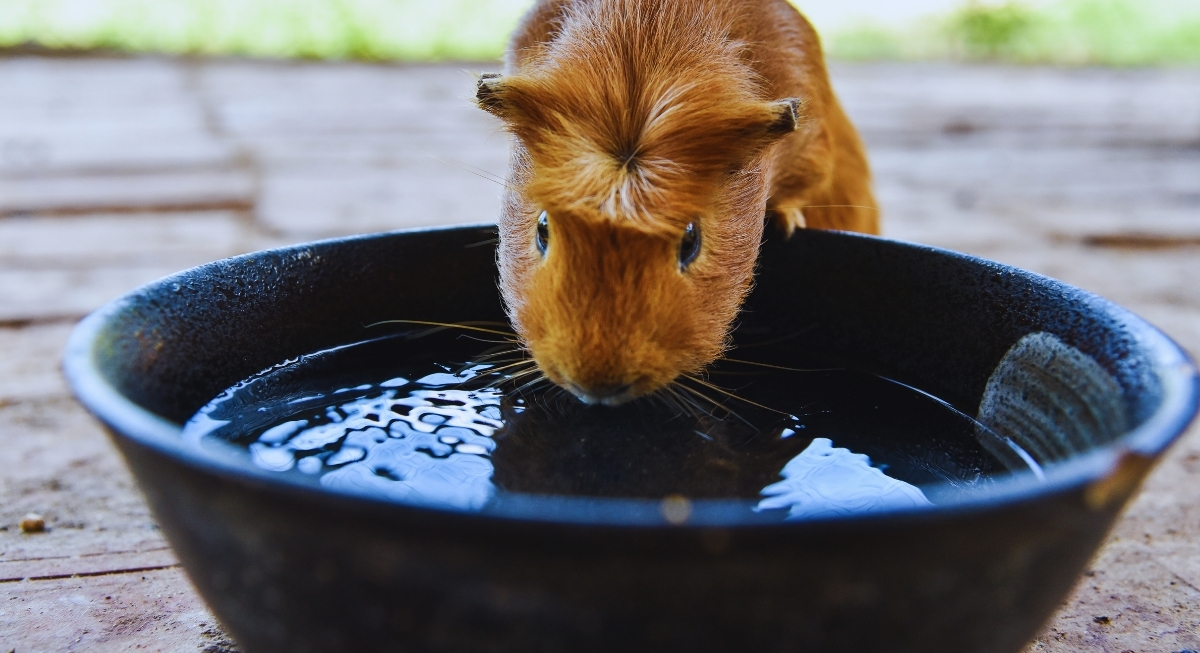
Image via Getty Images/kuenlin
Guinea pigs also need steady access to hay, water, and vitamin C-rich foods every day. Problems can escalate quickly if something goes wrong with a water bottle or food supply.
Health conditions can also appear suddenly. Respiratory infections, digestive problems, urinary issues, and stress-related illness may worsen within hours if nobody notices early symptoms. Since guinea pigs often mask discomfort, regular observation matters more than many people realize.
Isolation can make those issues harder to detect because lonely guinea pigs are already more likely to appear withdrawn or lethargic. Owners may mistake emotional stress for normal behavior.
Even homes with multiple guinea pigs are not entirely free of problems. Stress and boredom can sometimes trigger fighting, especially in cramped enclosures. That’s why space matters almost as much as companionship.
Adding a Second Guinea Pig Takes Planning
Pairing guinea pigs usually works best with careful introductions. Many owners start by allowing the animals to smell and observe each other through a barrier before face-to-face interaction.
Neutral territory helps reduce territorial behavior, and larger enclosures give guinea pigs room to separate if needed. Same-sex pairs often work well, particularly when introduced early.
Enrichment also plays a huge role during the adjustment period. Tunnels, hideouts, chew toys, and fresh vegetables help reduce stress and keep guinea pigs mentally active.
The funny part is that two guinea pigs often become easier to care for than one lonely guinea pig demanding constant attention. Once they bond, they spend hours entertaining each other through grooming, chasing, eating, and sleeping side by side.