Why Your Cat Is an Obligate Carnivore and What That Means for Their Diet
Cats fall into a category called obligate carnivores, which means their bodies depend on nutrients found only in animal tissue. This is not a preference, but a biological requirement formed over thousands of years.
Unlike omnivores, cats cannot produce certain key nutrients on their own. They must get taurine for heart and vision health, arachidonic acid from animal fat, and vitamin A in its active form from meat. Niacin and arginine also come straight from animal sources.
This is why plant-based diets fall short for cats. Their system is built to process animal protein and fat, not to convert plant nutrients into what they need. Without that steady intake, their body simply do not get the nutrients required to function properly.
Built For Meat, Not Variety
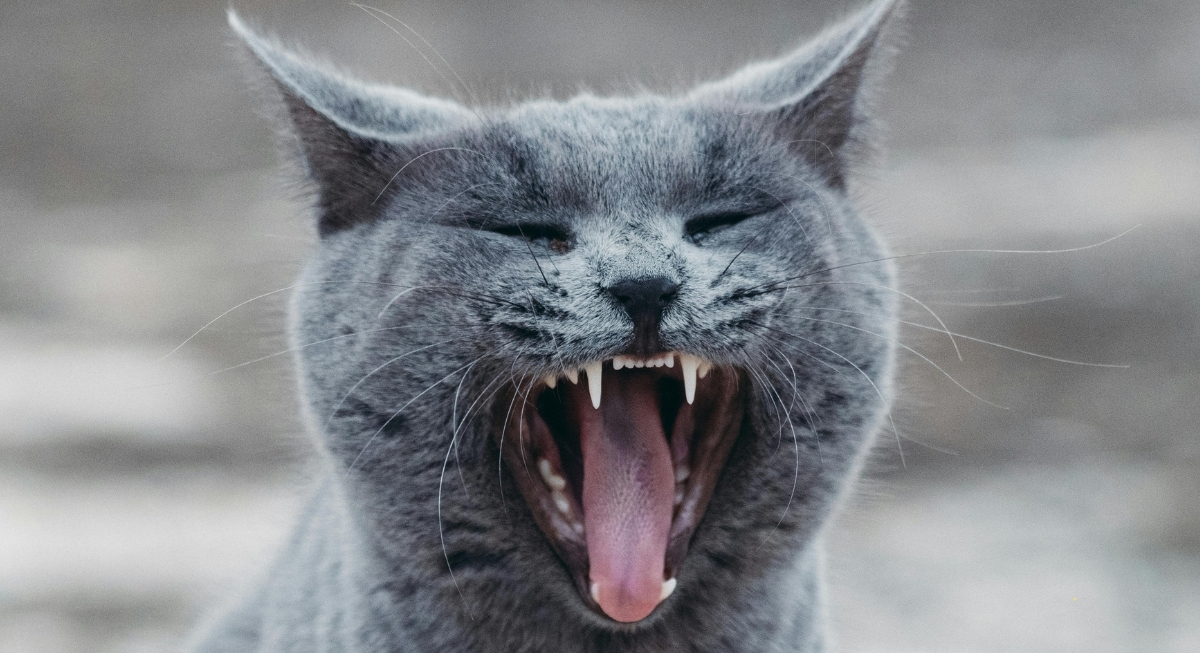
Image via Pexels/Mahmoud Yahyaoui
A quick look at a cat’s anatomy tells the same story. Sharp canine teeth grip and tear flesh, while a strong jaw helps break it down quickly. Inside, the digestive tract is short and designed to efficiently process protein and fat.
Their metabolism follows the same pattern. Cats rely on protein and fat for energy and have no minimum carbohydrate requirement. This often surprises pet owners, especially when many commercial foods highlight grains or vegetables.
The lack of flexibility is important because cats do not adapt well to wide swings in diet composition. Their bodies expect consistency in nutrient sources, which is why animal-based ingredients play such a central role in their health.
What Cats Actually Eat In Nature
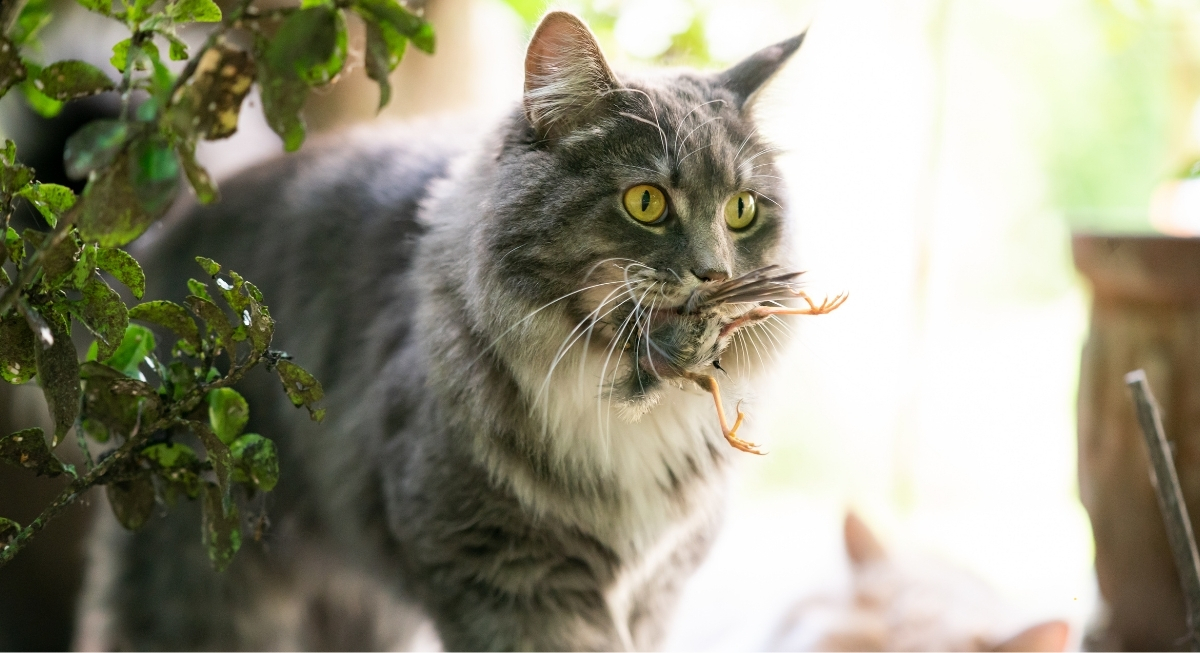
Image via Getty Images/Nils Jacobi
Wild cats do not pick and choose which parts of their meals to eat. They consume entire prey, including muscle meat, organs, bones, and connective tissue. Each part contributes something essential. Organs like the liver and heart provide vitamins, such as B12, and minerals, such as iron and zinc. Bones provide calcium and phosphorus. Even skin and connective tissue add nutrients and moisture.
This whole-prey approach creates a balanced nutritional profile without the need for supplements. It also reveals that a food that focuses only on muscle meat misses a large part of what a cat would naturally consume.
The Hidden Role Of Moisture
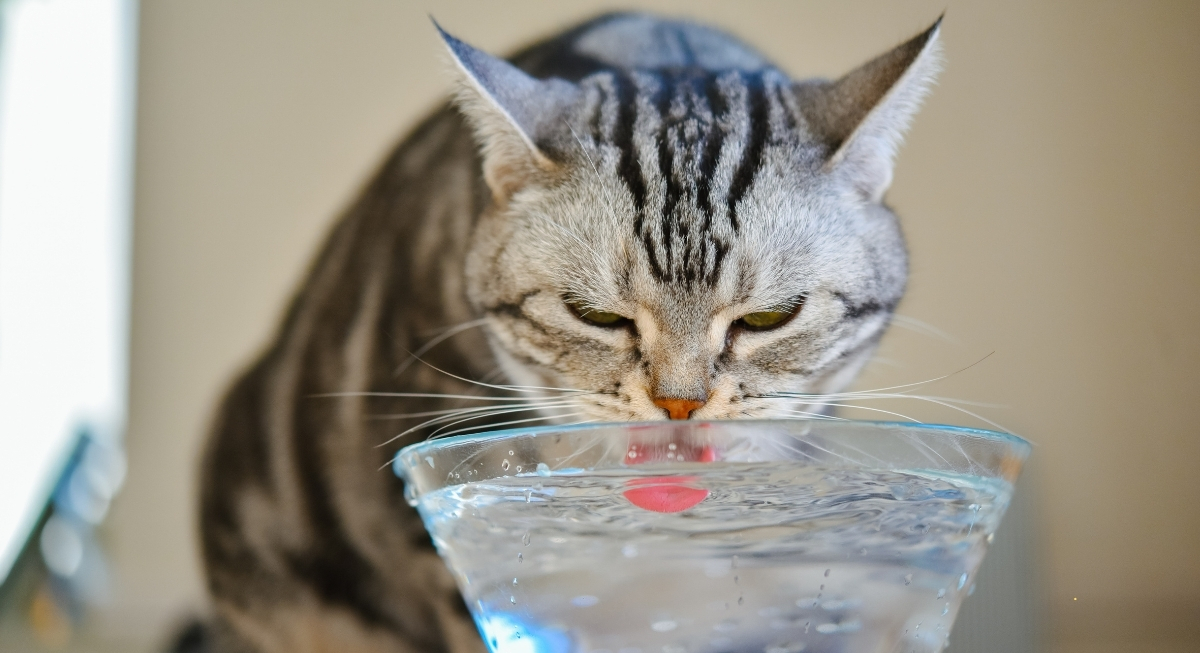
Image via Getty Images/ramustagram
One of the biggest gaps between natural diets and commercial food shows up in hydration. A typical prey animal contains about 70-75% water. Cats evolved to get most of their fluids through food rather than drinking separately.
That trait still exists today. Many cats have a low thirst drive, so a water bowl alone may not always meet their needs. Dry kibble, which often contains only six to ten percent moisture, creates a noticeable difference.
Veterinary guidance highlights this issue clearly. Diets built around dry food can leave cats under-hydrated, while moisture-rich options help support kidney function, digestion, and urinary health. Even switching part of a diet to canned food can increase overall water intake.
Cats thrive on high-protein, low-carbohydrate diets. Recommendations often point to foods with at least 40 percent protein and around 10 percent or less carbohydrates.
High-carb diets can create problems over time, including weight gain and metabolic issues like diabetes. Cats are not built to efficiently process large amounts of carbohydrates, so those ingredients often serve more as fillers than as essentials.
So ingredients like peas, corn, or potatoes may sound appealing, but they do not reflect what a cat’s body is designed to use.
What This Means When Choosing Food
Understanding obligate carnivore biology changes how pet food gets evaluated. The first ingredient should be animal protein, and the inclusion of organ meats adds important nutrients that muscle meat alone cannot provide.
Moisture content deserves just as much attention as protein percentage. Wet or raw diets come closer to the natural water content cats evolved with, while dry food works best when balanced with other options.