10 Working Dog Jobs Most People Have Never Heard Of (But Save Lives Daily)
Whenever we think of working dogs, what often comes to mind are K-9s or guide dogs. But the list is not confined to them only. Around airports, hospitals, museums, and even wineries, dogs handle jobs that sound hard to believe. Their instincts help researchers, conservationists, and emergency crews solve problems faster. A surprising number of these jobs exist because people tried technology first and still got better results with dogs.
Courtroom Comfort Dogs
Credit: Wikipedia
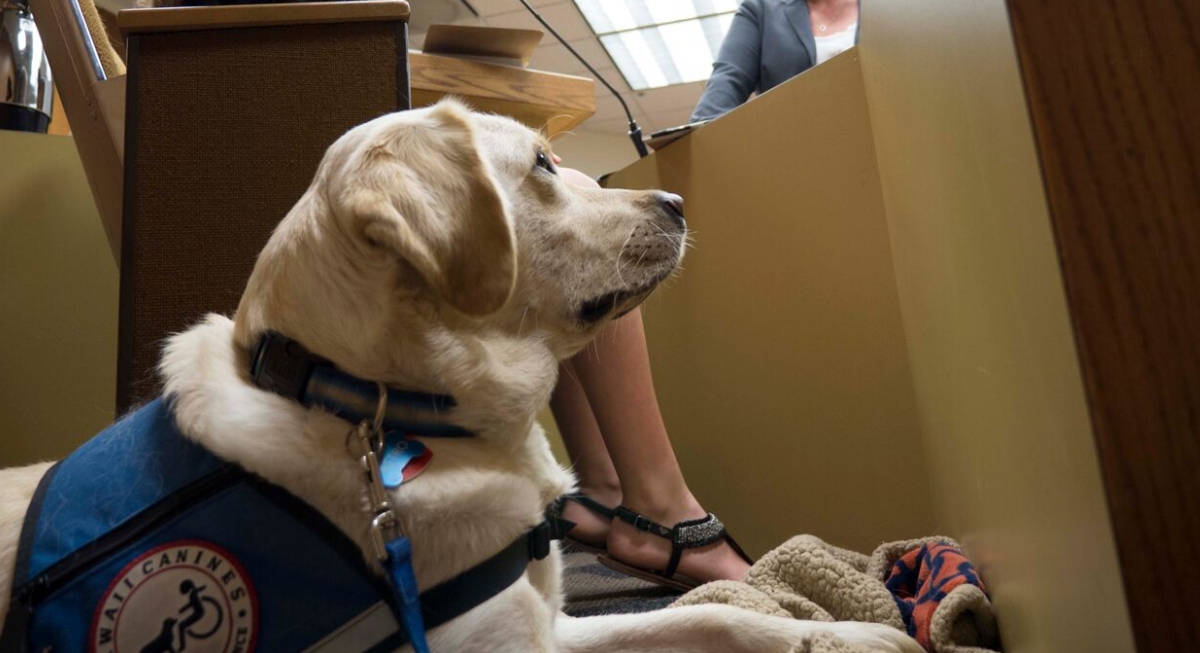
Testifying in court can overwhelm children involved in abuse cases. Trained courtroom comfort dogs stay beside witnesses during testimony to lower anxiety and help them stay focused. Many courts keep the dogs out of direct view of juries to avoid influencing decisions.
Airport Wildlife Patrol
Credit: Canva
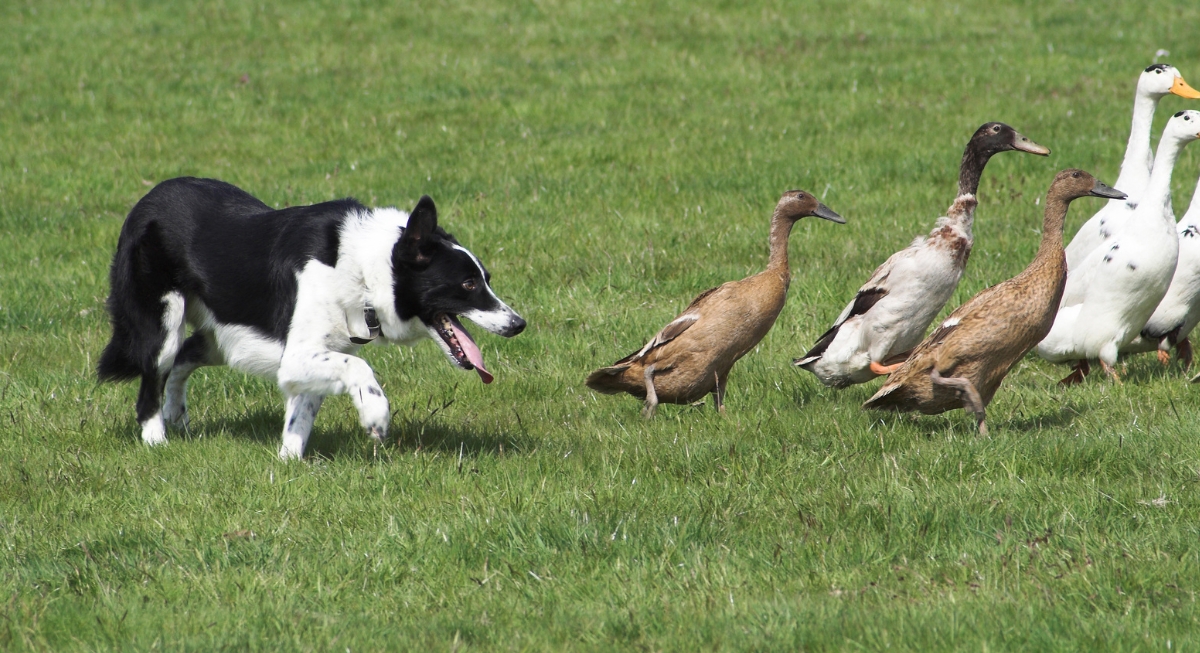
Border Collies patrol runways at several airports because birds react strongly to their movements. A famous example, Piper, worked at Cherry Capital Airport in Michigan for years. He chased gulls and geese away from aircraft paths daily. Airport crews also relied on him during snowstorms because he stayed active when many wildlife deterrent systems struggled.
Whale Poop Detection

Credit: Canva
Research boats off the Pacific Northwest sometimes carry dogs with one unusual assignment: finding whale poop floating in open water. Labrador Retrievers trained for conservation work can detect the scent from remarkable distances. Scientists collect the samples to study stress hormones, diet, pregnancy, and disease without disturbing endangered orcas.
Museum Pest Detection
Credit: Instagram
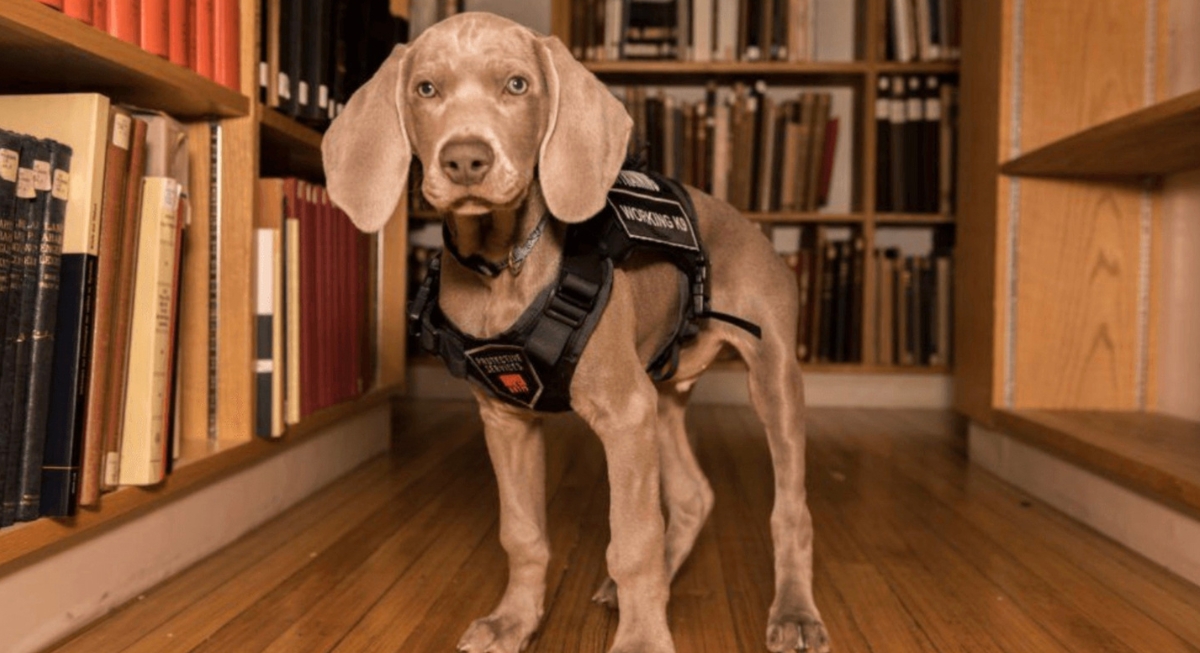
Tiny insects can destroy paintings and antique furniture before museum staff notice anything wrong. Several museums now employ dogs trained to smell live infestations hidden deep inside exhibits or storage rooms. A Weimaraner named Riley became famous for this work at the Museum of Fine Arts in Boston. Instead of tearing through displays, he simply sits near the source.
Disease Detection Dogs
Credit: Wikimedia Commons
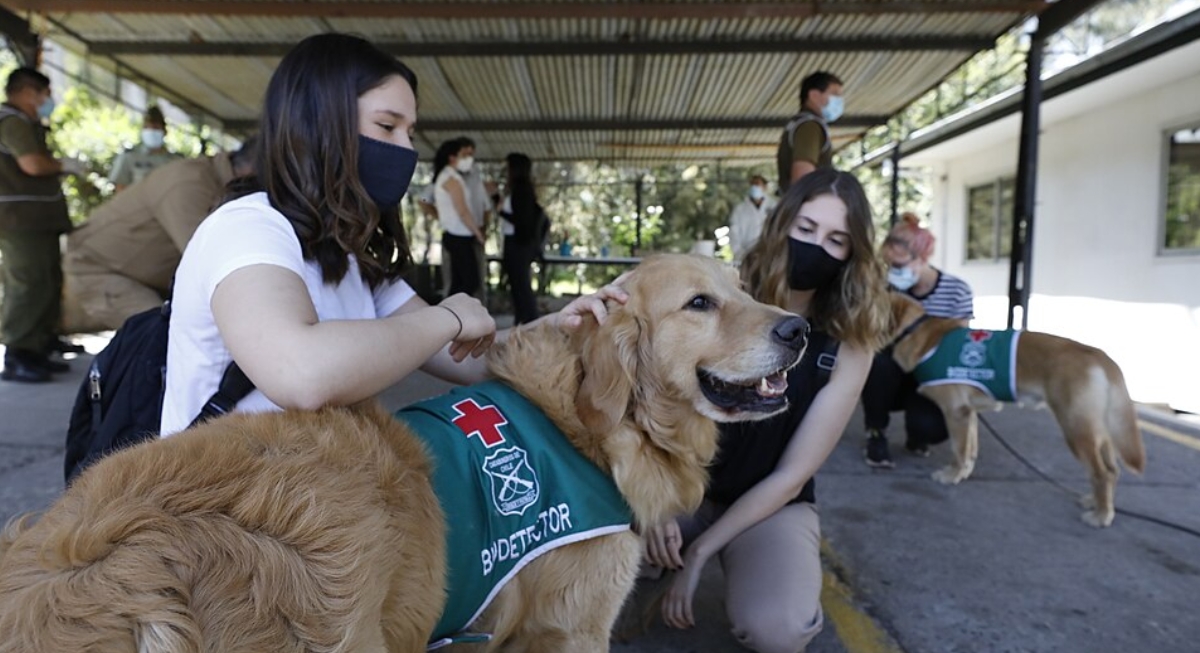
Medical researchers began paying closer attention to detection dogs after repeated cases in which dogs alerted owners to hidden illnesses. Programs at hospitals and universities now train dogs to detect chemical changes associated with infections and diabetes complications. During the COVID-19 pandemic, Labrador Retrievers trained at the University of Pennsylvania learned to recognize virus samples through scent.
Truffle Hunting Dogs
Credit: Getty Images
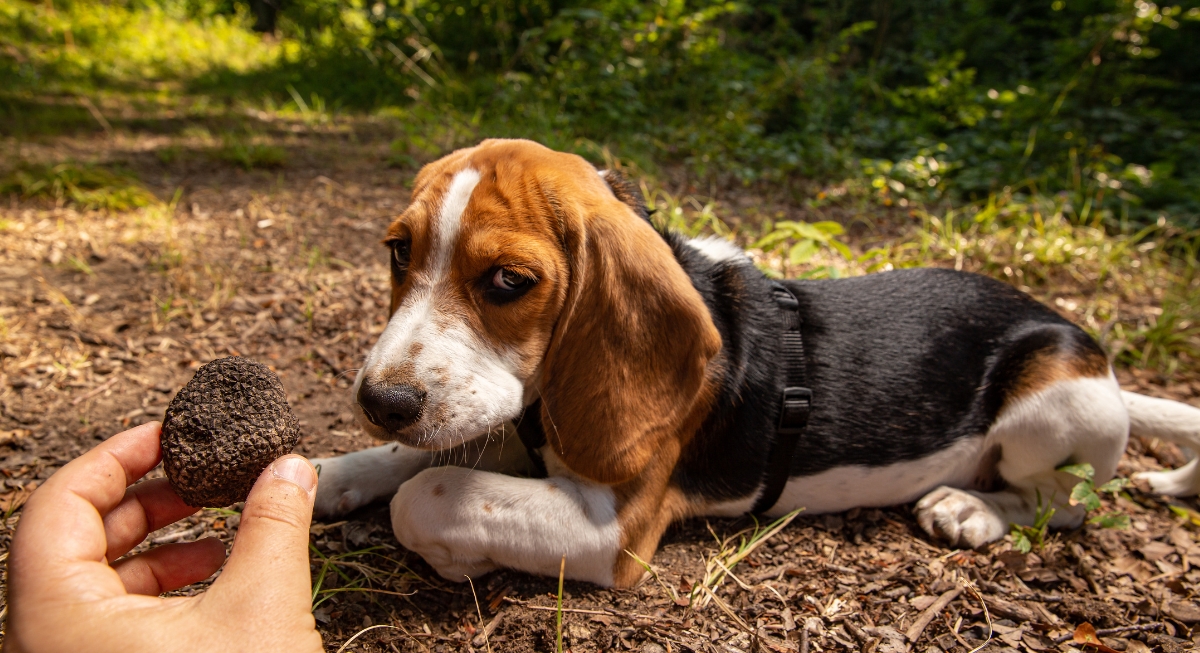
The truffle business depends heavily on dogs because these valuable fungi grow underground near tree roots. Pigs once handled the work across Europe, though they kept eating the truffles they discovered. Dogs solved that problem quickly. The Lagotto Romagnolo became especially popular for truffle hunting thanks to its strong scent-tracking ability and steady temperament.
Electronic Storage Detection Dogs

Credit: pexels
These electronic storage detection dogs search for trace amounts of chemicals in memory devices and USB sticks. Investigators use them in cases involving hidden evidence or illegal digital files. Connecticut State Police helped popularize the program after introducing two highly trained dogs to their unit.
Penguin Protection Dogs
Credit: Facebook
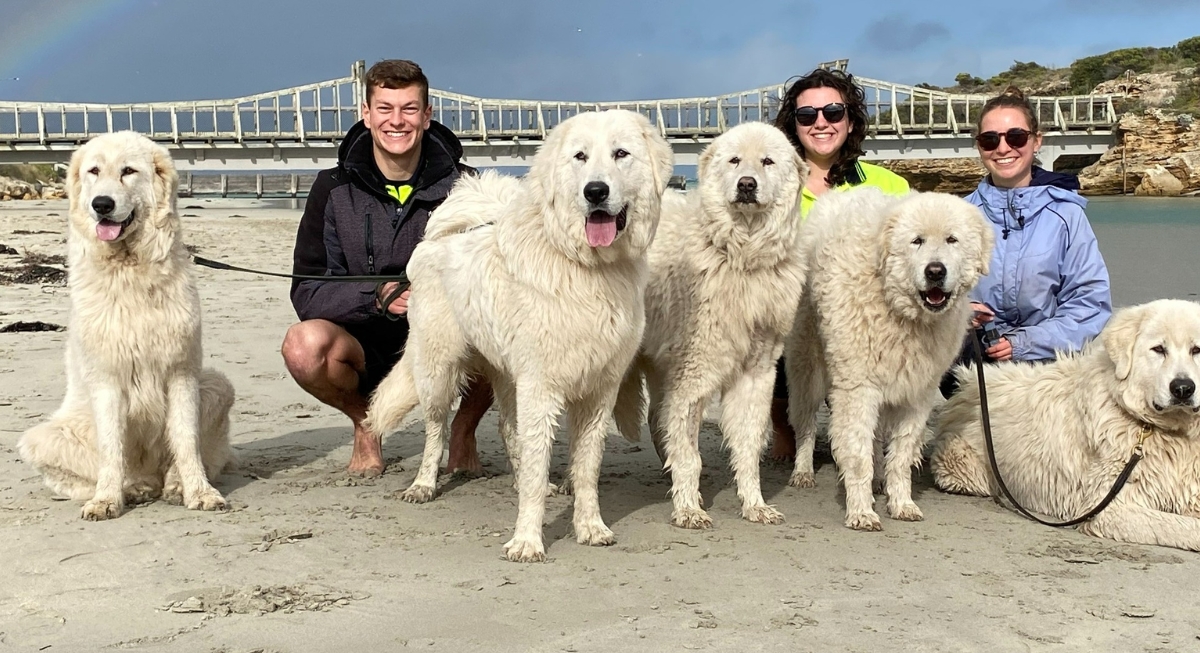
Australia’s Middle Island nearly lost its fairy penguin colony after foxes repeatedly attacked nesting areas. Conservation teams introduced Maremma sheepdogs to patrol the island and scare predators away through their presence alone. Penguin numbers rebounded after years of decline. The project gained international attention because the dogs protected wildlife without trapping foxes around the habitat.
Wine Fault Detection Dogs

Credit: Getty Images
Wine producers lose huge amounts of money when cork taint contaminates barrels and storage rooms. The culprit often comes from a compound called TCA, which gives wine a moldy smell that ruins flavor. Human noses usually miss early contamination. Trained dogs do not. Programs such as the Natinga Project use detection dogs to inspect production spaces.
Crisis Response Dogs
Credit: Getty Images
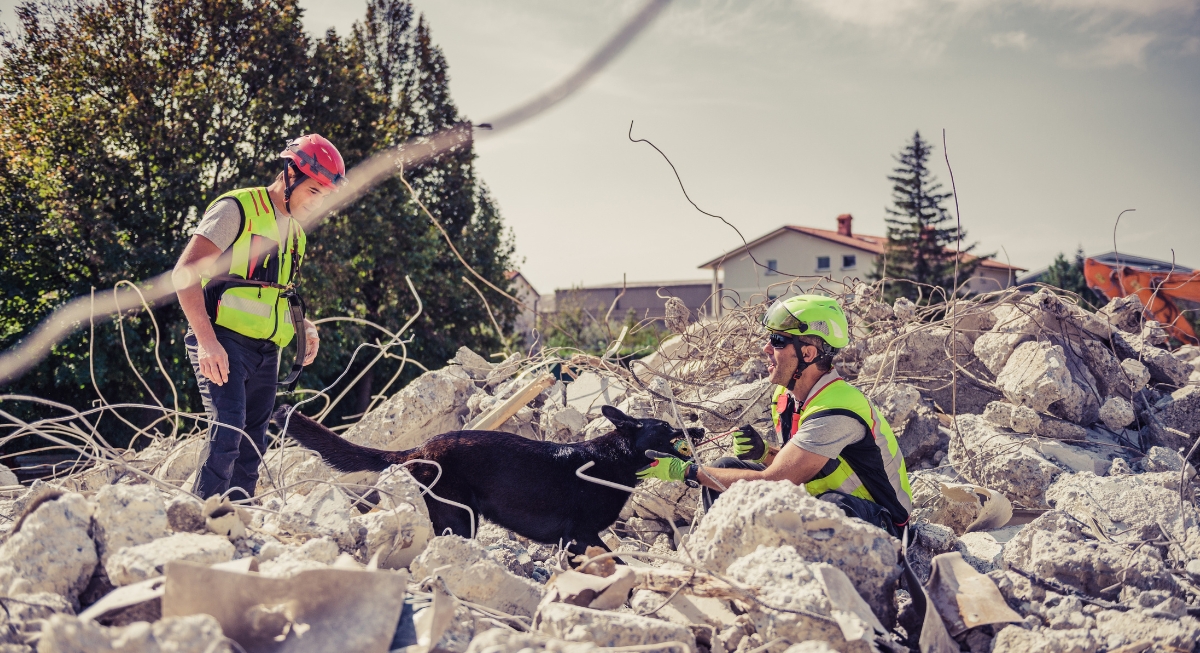
After tragedies, crisis response dogs often arrive alongside counselors and emergency teams. These dogs visit hospitals, memorials, schools, and community centers where people gather. Handlers report that many survivors speak more openly when a dog is nearby. One organization, Crisis Response Canines, regularly deploys trained dogs across the United States after major incidents.